Getting Started with Sustainable Living
The phrase "sustainable living" can feel overwhelming. Images of off-grid cabins, zero-waste households, and radical lifestyle overhauls come to mind, and most people assume it requires a level of commitment they simply cannot manage. But here is the truth that often gets lost in the conversation: sustainability is not about perfection. It is about making better choices, one at a time, in the context of your real life. You do not need to change everything at once. You do not need to spend a fortune. You do not need to sacrifice your comfort or convenience in any dramatic way.
The changes that matter most are the ones you actually stick with. A single reusable water bottle, used daily for a year, eliminates hundreds of plastic bottles from the waste stream. A compost bin in the backyard diverts thousands of pounds of organic waste from landfills over its lifetime. These are not revolutionary acts. They are simple, practical habits that compound over time into something genuinely meaningful.
This guide presents twenty-five changes organized into five areas of daily life: Kitchen, Garden, Home, Transportation, and Shopping. Each change includes a clear explanation of why it matters, what the actual impact looks like, and how to get started. You do not need to implement all twenty-five at once. Pick two or three that feel manageable, build them into habits, and come back for more when you are ready. Progress, not perfection, is the goal.
For a broader overview of building sustainable habits at home, our zero waste kitchen guide dives deeper into food waste reduction, one of the highest-impact areas for most households.
Kitchen Changes (1–5)
The kitchen is where most household waste originates and where the biggest savings are possible. These five changes address food waste, single-use items, and energy consumption in the room where you spend the most time.
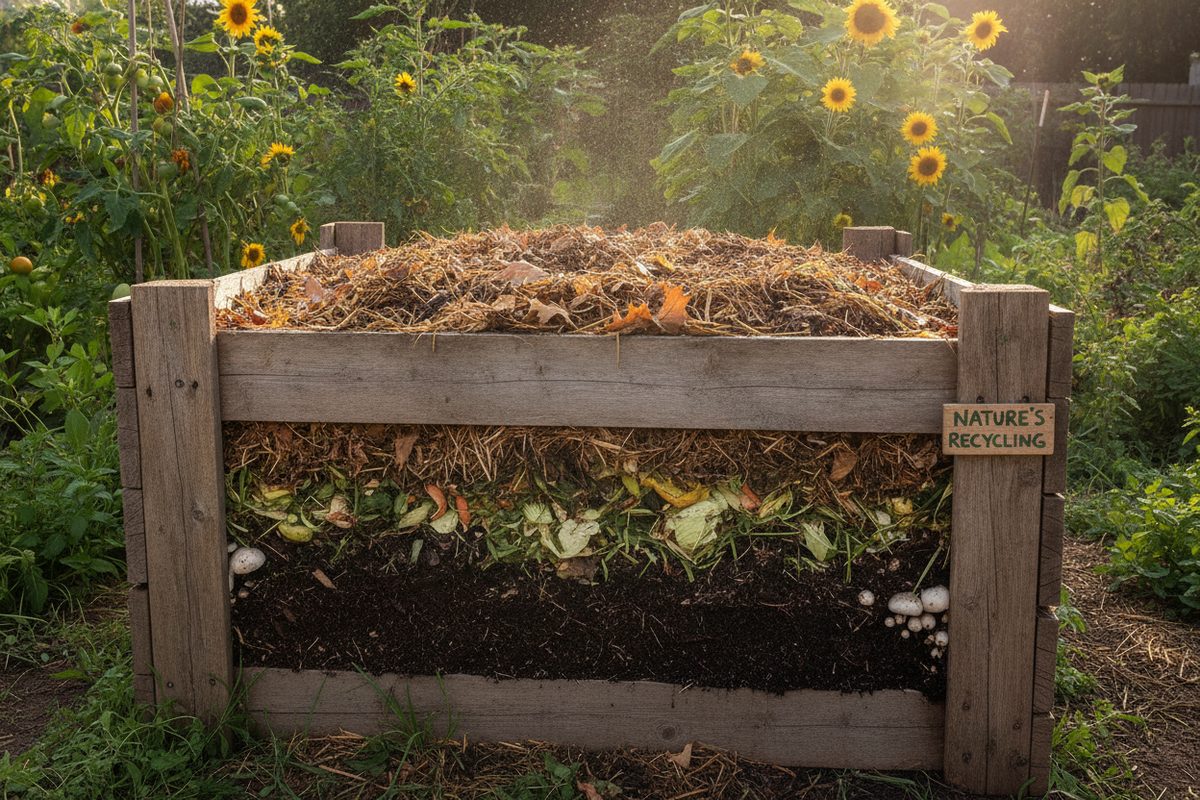
1. Start a Simple Compost System
Approximately 30 percent of household waste is organic material that could be composted instead of landfilled. When organic waste decomposes in a landfill, it produces methane, a greenhouse gas eighty times more potent than carbon dioxide over a twenty-year period. When it decomposes in a compost bin, it produces rich soil amendment that feeds your garden. The contrast could not be starker. A basic compost bin in your backyard accepts fruit and vegetable scraps, coffee grounds, eggshells, yard waste, and paper products. You divert waste from landfills, reduce your trash bag purchases, and produce free fertilizer. If outdoor space is limited, worm composting works beautifully indoors. Getting started is as simple as designating a bucket under your sink for scraps and finding or building a bin outside.
2. Replace Plastic Wrap with Reusable Alternatives
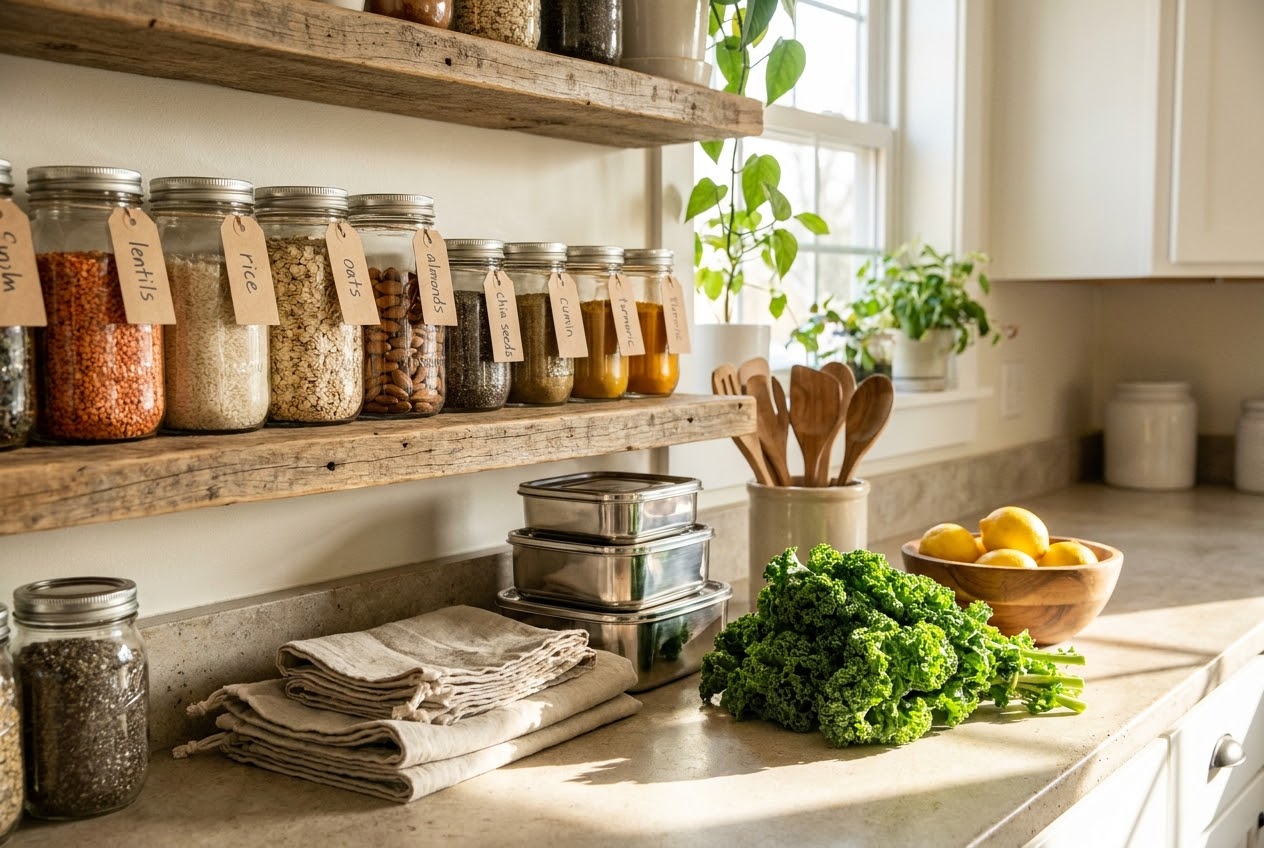
The average household uses hundreds of feet of plastic wrap per year, most of which ends up in landfills where it takes centuries to decompose. Reusable beeswax wraps, silicone stretch lids, and glass containers with lids do the same job without the waste. Beeswax wraps mold around bowls, plates, and cut fruit using the warmth of your hands and last for a year or more with proper care. Silicone lids stretch over containers of any size. These alternatives cost a few dollars each and pay for themselves within weeks compared to the ongoing cost of disposable wrap.
3. Bring Your Own Bags and Containers
Keep reusable shopping bags in your car, by the front door, or folded in your purse or backpack so you always have them when you shop. Beyond grocery bags, bring reusable produce bags for fruits and vegetables, and consider bringing your own containers to the deli counter, bakery, and bulk section. Many stores now welcome customers who bring their own containers. A single reusable bag replaces an estimated 700 plastic bags over its lifetime. The transition feels awkward for the first few trips, then becomes completely automatic.
4. Cook More, Waste Less
Home cooking produces dramatically less packaging waste than takeout, delivery, or processed foods. A simple meal of rice, roasted vegetables, and a homemade sauce generates almost no packaging waste compared to the plastic containers, bags, and utensils that accompany a single restaurant delivery. Plan your meals weekly, buy only what you need, and use leftovers creatively. Wilted vegetables make excellent soup. Overripe fruit becomes smoothies, jams, or baked goods. Stale bread transforms into breadcrumbs, croutons, or French toast. This approach saves money, reduces waste, and produces better food than the alternatives.
5. Switch to Concentrated and Refillable Cleaning Products
Most cleaning product is water. You pay to ship water across the country in heavy plastic bottles, use the product, and throw the bottle away. Concentrated cleaning tablets, refillable spray bottles, and bulk cleaning products eliminate this waste entirely. A single concentrated tablet dropped into a reusable spray bottle produces a full bottle of all-purpose cleaner. Some companies sell concentrated refill pouches that use 80 percent less plastic than standard bottles. Homemade cleaning solutions using vinegar, baking soda, and castile soap work for most household cleaning tasks and cost pennies per batch.
Garden Changes (6–10)
Your garden is a natural extension of sustainable living. These five changes make your outdoor space more productive, more ecologically beneficial, and less resource-intensive.
6. Grow Even a Small Portion of Your Own Food
You do not need a large garden to make an impact. A single tomato plant on a patio, a pot of herbs on a windowsill, or a small raised bed of lettuce reduces the distance your food travels, eliminates packaging, and reconnects you with the seasons. Even a modest garden producing a salad's worth of greens each week saves trips to the store and the associated carbon emissions. Start with what you eat most: if you love tomatoes, grow tomatoes. If you use herbs daily, grow herbs. Growing food also reduces your exposure to pesticides and provides nutritionally superior produce that was alive minutes before you eat it. Our guide on starting a vegetable garden from scratch makes the first steps simple.
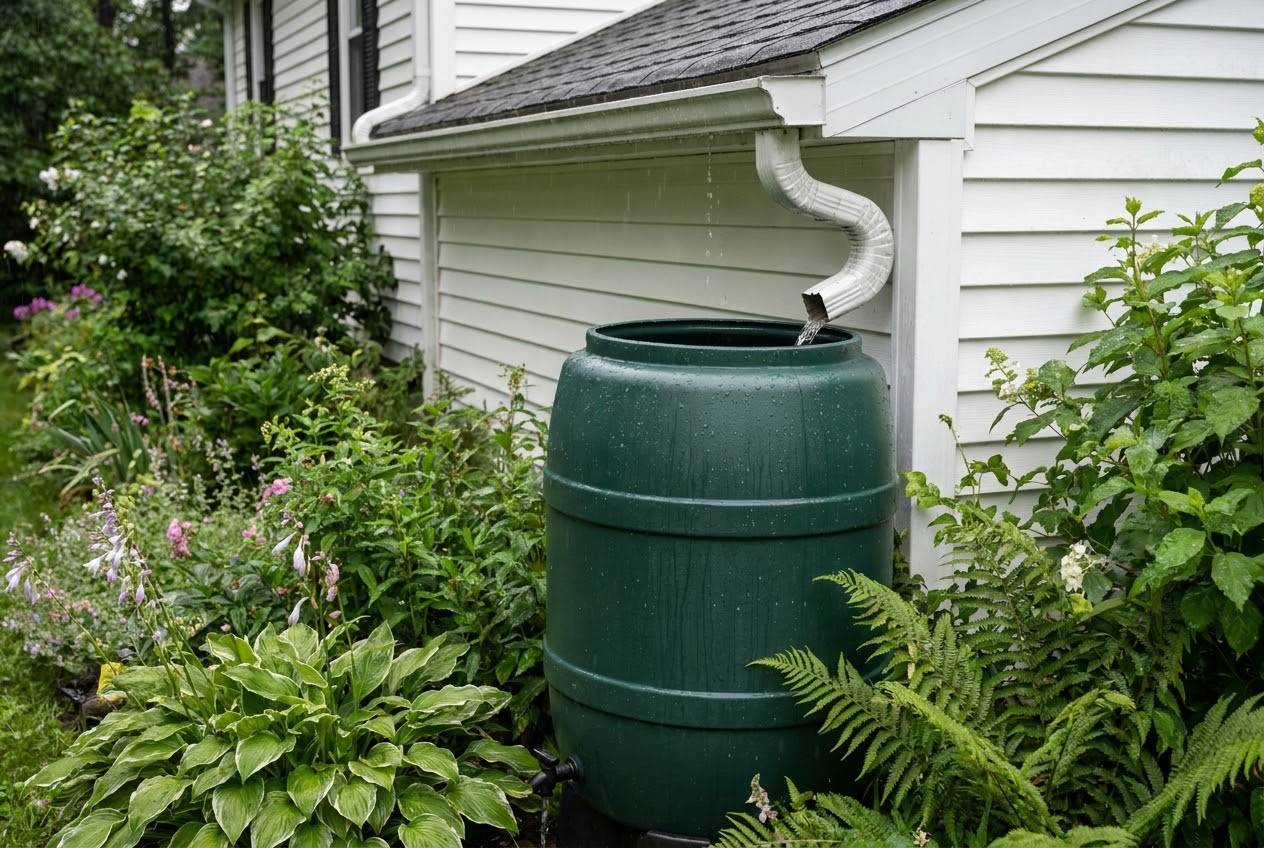
7. Collect Rainwater
A single inch of rain on a 1,000-square-foot roof produces over 600 gallons of water. Connecting rain barrels to your downspouts captures this free resource for garden use, reducing your reliance on municipal water and lowering your water bill. Rainwater is naturally soft, slightly acidic, and free of chlorine and fluoride, making it ideal for plants. A basic rain barrel costs thirty to eighty dollars and pays for itself within one season in most areas. For a complete setup guide, see our article on rainwater harvesting for beginners.
8. Plant Native Species
Native plants evolved to thrive in your local climate, soil, and rainfall patterns. They require less watering, less fertilizing, and less pest control than non-native ornamentals. They also provide essential food and habitat for local pollinators, birds, and beneficial insects. Replacing even a portion of your lawn with native perennials, grasses, and shrubs reduces mowing time and fuel, eliminates the need for chemical fertilizers and herbicides, and creates a beautiful, low-maintenance landscape. Native plant societies in every state can help you identify species appropriate for your area.
9. Use Natural Pest Control
Synthetic pesticides kill indiscriminately, harming pollinators, beneficial insects, and soil organisms alongside the target pests. Natural pest control methods like companion planting, encouraging beneficial insects, and organic sprays maintain ecological balance while protecting your crops. Our guide to natural pest control covers the full range of effective, chemical-free strategies. The health of your soil, your food, and your local ecosystem all benefit when you avoid synthetic chemicals.
10. Mulch Everything
Mulching is the single most impactful thing you can do for your garden's health and water efficiency. A thick layer of organic mulch reduces watering needs by up to 70 percent, suppresses weeds without herbicides, moderates soil temperature, and feeds the soil as it decomposes. Straw, wood chips, shredded leaves, and grass clippings all work well. Mulched gardens produce healthier plants with fewer pest and disease problems, reducing the need for any intervention at all. Explore mulch options in our guide to choosing the right mulch.
Home Changes (11–15)
These changes reduce your household energy consumption, water usage, and waste generation with minimal investment and effort.
11. Switch to LED Lighting
LED bulbs use 75 percent less energy than incandescent bulbs and last twenty-five times longer. Replacing the five most-used light fixtures in your home with LEDs saves approximately $75 per year on electricity and reduces carbon emissions by about 500 pounds annually. LEDs have dropped dramatically in price and are now available in warm, natural tones that are indistinguishable from traditional bulbs. The payback period for replacing incandescent bulbs is typically two to three months.
12. Install a Programmable Thermostat
Heating and cooling account for nearly half of home energy use. A programmable or smart thermostat automatically adjusts temperatures when you are asleep or away, reducing energy waste without sacrificing comfort. Lowering your thermostat by two degrees in winter and raising it two degrees in summer saves an estimated 5 to 10 percent on heating and cooling bills. Smart thermostats learn your schedule and preferences, making adjustments automatically. The typical savings of $150 to $200 per year means the device pays for itself within the first year.
13. Reduce Water Waste
Fix leaky faucets immediately: a single dripping faucet wastes over 3,000 gallons per year. Install low-flow showerheads and faucet aerators, which reduce water use by 30 to 50 percent without noticeable pressure loss. Take shorter showers, turn off the tap while brushing teeth, and only run the dishwasher and washing machine with full loads. These habits, combined with efficient fixtures, can cut household water use by 20 to 30 percent with zero lifestyle sacrifice. For outdoor water conservation, see our guide on watering your garden efficiently and our article on drought-tolerant gardening.
14. Choose Eco-Friendly Cleaning
Many conventional cleaning products contain volatile organic compounds, phosphates, and synthetic fragrances that harm aquatic ecosystems when they wash down the drain. Switch to plant-based, biodegradable cleaning products or make your own from vinegar, baking soda, lemon juice, and castile soap. These ingredients handle virtually every cleaning task in your home at a fraction of the cost and with none of the environmental impact. Look for products with third-party certifications like EPA Safer Choice or Green Seal.
15. Reduce Phantom Energy Use
Many electronics consume electricity even when turned off. This "phantom" or "vampire" load accounts for 5 to 10 percent of residential electricity use. Plug entertainment centers, computer stations, and kitchen appliances into smart power strips that automatically cut power when devices are not in use. Unplug chargers when not charging. Enable sleep modes on computers and game consoles. These small actions eliminate invisible energy waste and reduce your electricity bill without any behavioral change.
Transportation Changes (16–20)
Transportation is the largest source of carbon emissions in most households. These changes reduce your driving footprint even if you cannot give up a car entirely.
16. Walk or Bike for Short Trips
Nearly half of all car trips in the United States are under three miles, a distance easily covered by bicycle in fifteen minutes or on foot in forty-five. Replacing just two short car trips per week with walking or biking saves approximately 300 pounds of CO2 per year, improves your fitness, and saves on fuel and vehicle wear. If weather or distance makes walking impractical, consider an e-bike, which extends your range dramatically while producing negligible emissions.
17. Combine Errands into Single Trips
A cold engine produces significantly more emissions per mile than a warm one. By combining multiple errands into a single trip rather than making separate trips throughout the week, you reduce total miles driven, keep the engine at efficient operating temperature, and save both time and fuel. Plan your errands geographically: hit the grocery store, post office, and hardware store in one loop rather than three separate outings.
18. Maintain Your Vehicle
Proper vehicle maintenance directly impacts fuel efficiency and emissions. Keeping tires inflated to the recommended pressure improves fuel economy by up to 3 percent. Regular oil changes, clean air filters, and properly functioning oxygen sensors ensure the engine runs efficiently. A well-maintained vehicle produces fewer emissions, lasts longer, and costs less to operate. Check tire pressure monthly using a simple gauge and keep up with the maintenance schedule in your owner's manual.
19. Consider Carpooling or Public Transit
If you commute to work, carpooling with even one other person cuts your per-person emissions in half. Many employers and communities have carpooling programs or apps that match riders with similar routes. Public transit produces significantly lower per-passenger emissions than single-occupancy vehicles. Even using public transit two or three days per week makes a measurable difference. If neither option works for your commute, consider telecommuting when possible to eliminate the trip entirely.
20. Reduce Air Travel When Possible
A single round-trip transatlantic flight produces roughly two to three tons of CO2 per passenger, equivalent to several months of driving. When travel is necessary, choose direct flights (takeoff and landing produce the most emissions), pack light (heavier planes burn more fuel), and consider train travel for shorter distances. For vacations, explore destinations closer to home. The growing trend of "staycations" and regional travel has introduced many families to beautiful destinations within driving distance that they never knew existed.
Shopping Changes (21–25)
Every purchase you make has an environmental footprint. These changes help you buy less, buy better, and waste less.
21. Buy Secondhand First
Before buying anything new, check if a used version is available. Thrift stores, consignment shops, online marketplaces, and community buy-nothing groups are full of quality items at a fraction of the cost. Furniture, clothing, tools, books, kitchen equipment, and sporting goods are all readily available secondhand. Buying used extends the life of existing products, keeps them out of landfills, and avoids the resource extraction and manufacturing emissions associated with new production. Some of the best finds in our own home were secondhand purchases that cost almost nothing.
22. Choose Quality Over Quantity
The cheapest option is often the most expensive in the long run, both financially and environmentally. A well-made pair of shoes that lasts five years produces far less waste than five cheap pairs that fall apart annually. The same principle applies to clothing, tools, kitchen equipment, and furniture. When you do buy new, invest in quality items that will last. Research brands that prioritize durability, repairability, and responsible manufacturing. Fewer, better possessions reduce clutter, save money over time, and dramatically cut the waste stream.
23. Reduce Fast Fashion
The fashion industry is the second-largest polluter globally, producing an estimated 10 percent of annual carbon emissions. Fast fashion garments are worn an average of seven times before being discarded. Break this cycle by building a smaller wardrobe of versatile, well-made basics. Buy classic styles that do not go out of trend. Repair clothing instead of replacing it. When you are done with items, donate them, sell them, or swap with friends. Many communities host clothing swaps that are social events as much as sustainability initiatives.
24. Support Local and Sustainable Businesses
Buying from local farmers, makers, and businesses reduces transportation emissions and supports your local economy. Farmers market produce travels an average of 50 miles compared to 1,500 miles for conventional grocery produce. Local artisans and makers typically use less packaging and more sustainable materials than mass-produced alternatives. When you do buy from larger companies, choose those with transparent sustainability practices, environmental certifications, and genuine commitments to reducing their impact. Your purchasing power is a vote for the kind of economy you want to support.
25. Refuse What You Do Not Need
The most sustainable product is the one you never bought. Before making any purchase, ask yourself if you truly need it or if the urge is driven by habit, boredom, or marketing. Practice the pause: when you want to buy something non-essential, wait forty-eight hours. If you still want it after two days, buy it. Most of the time, the urge passes. This simple practice dramatically reduces impulse purchases, saves money, and prevents the accumulation of stuff that eventually becomes waste. The mantra "refuse, reduce, reuse, recycle" starts with refuse for a reason: the most powerful action is the one that prevents waste from being created in the first place.
Impact Comparison Table
This table summarizes the estimated annual impact of each change, organized by difficulty level. Start with the easy changes and work your way up.
| Change | Annual Savings / Impact | Difficulty |
|---|---|---|
| Start composting | 30% less household waste; free fertilizer | Easy |
| Replace plastic wrap | 200+ ft of plastic wrap eliminated | Very Easy |
| Reusable bags | 700+ plastic bags per bag per lifetime | Very Easy |
| Cook more at home | $2,000–$4,000 saved; 80% less packaging | Moderate |
| Concentrated cleaners | 80% less plastic packaging | Easy |
| Grow some food | $500+ saved; zero food miles | Moderate |
| Rainwater harvesting | 2,000+ gallons saved; $50–$100 saved | Easy |
| Plant native species | 50% less water; no chemical inputs | Moderate |
| Natural pest control | Zero chemical exposure; balanced ecosystem | Easy |
| Mulch garden beds | 70% less watering; fewer weeds | Very Easy |
| LED lighting | $75 saved; 500 lbs CO2 reduced | Very Easy |
| Programmable thermostat | $150–$200 saved; 5–10% energy reduction | Easy |
| Reduce water waste | 20–30% less water used; $100+ saved | Easy |
| Eco-friendly cleaning | Zero toxic chemicals to waterways | Easy |
| Reduce phantom energy | 5–10% electricity reduction; $50–$100 saved | Very Easy |
| Walk/bike short trips | 300 lbs CO2 reduced; improved fitness | Moderate |
| Combine errands | 10–15% less driving; time saved | Easy |
| Maintain vehicle | 3–5% better fuel economy; longer vehicle life | Easy |
| Carpool or transit | 50% less commute emissions per person | Moderate |
| Reduce air travel | 2–3 tons CO2 per avoided flight | Moderate |
| Buy secondhand | 50–90% cost savings; extended product life | Easy |
| Choose quality items | Less waste; lower long-term cost | Easy |
| Reduce fast fashion | 10% carbon reduction; less textile waste | Moderate |
| Support local businesses | 95% less food miles; stronger local economy | Easy |
| Refuse unnecessary purchases | $1,000+ saved; significant waste prevented | Moderate |
Tracking Your Progress
Tracking your sustainable living progress keeps you motivated and helps you identify areas where you can improve further. You do not need a complicated spreadsheet or app, although both exist if you want them. A simple journal or checklist works fine.
Start by listing the changes you want to implement. Check them off as you adopt them. Note the date you started each habit and, where applicable, the financial savings you have observed. At the end of each month, review your progress and celebrate what you have accomplished. Many people find that once they start seeing the results, both environmental and financial, they are motivated to take on more changes.
Measuring your trash output is one tangible metric. Track how many bags of trash you produce per week before and after your changes. Many families find they can cut their landfill waste by 50 percent or more through composting, refusing single-use items, and buying less. Your water and electricity bills provide automatic tracking for those resources. Compare month to month and year to year to see the impact of your changes.
Carbon footprint calculators, available free online from organizations like the EPA, estimate your total annual emissions based on your transportation, home energy, food, and shopping habits. Run the calculator before you start making changes, then again after six months. The improvement is motivating and helps you identify the highest-impact areas for further action.
Involving Your Family
Sustainable living is more effective and more enjoyable when it is a shared effort. Getting your family, partner, or housemates on board multiplies your impact and creates lasting habits that extend beyond your household.
Start with conversations, not lectures. Explain why you are making changes and what you hope to achieve. Frame it positively: you are not giving things up, you are making smarter choices that save money, improve health, and protect the future. Invite input and suggestions. When people feel like participants rather than subjects, they are far more likely to embrace the changes.
Make it tangible for children. Kids respond well to hands-on activities like composting, gardening, and cooking from scratch. Our guide to growing microgreens at home is a perfect project for families: it is fast, visual, and produces something kids can eat. Let children track the compost bin, measure the rain barrel, or help plan meals for the week. These activities build environmental awareness naturally, through experience rather than instruction.
Set family goals and celebrate milestones. When you divert your 100th pound of compostable waste from the landfill, mark the occasion. When you save enough on your electricity bill to fund a family outing, enjoy it together. Sustainable living should feel rewarding, not sacrificial. The families who sustain these habits long-term are the ones who make it fun and meaningful rather than a chore.
Frequently Asked Questions
Do small individual changes really make a difference?
Yes, both directly and through influence. Your individual choices reduce your personal footprint measurably. But the larger impact comes from the ripple effect. When your neighbors see your compost bin, some will start composting. When your friends taste your garden tomatoes, they will consider growing their own. When businesses see customers bringing reusable bags, they adjust their practices. Individual action drives cultural change, and cultural change drives systemic change. Every major environmental regulation began with individuals making noise and leading by example.
What is the single highest-impact change I can make?
It depends on your current lifestyle, but for most people in developed countries, the highest-impact changes are reducing car travel (or switching to an electric vehicle), reducing meat consumption (especially beef), improving home energy efficiency, and cutting food waste. Composting alone addresses the food waste issue and is one of the easiest changes to implement. If you can only do one thing from this list, start composting. If you can do two, add LED bulbs and a programmable thermostat. These three changes are easy, affordable, and collectively impactful.
How much money can sustainable living actually save?
Conservative estimates suggest that the average household can save $2,000 to $5,000 per year by adopting sustainable practices. Cooking at home instead of eating out or ordering delivery saves the most money, often $200 to $400 per month for a family. Growing even a portion of your own food saves hundreds more. Energy efficiency improvements (LED bulbs, thermostat adjustments, phantom load elimination) typically save $300 to $500 per year. Reducing impulse purchases through the "refuse and wait" strategy can save thousands. Most sustainable changes either cost nothing to implement or pay for themselves within months.
I live in an apartment. Can I still live sustainably?
Absolutely. Many sustainable living practices are perfectly suited to apartment living. Composting can be done with a small worm bin under the kitchen sink. Herbs and microgreens grow on windowsills. Reusable bags, beeswax wraps, and concentrated cleaners work in any kitchen. You can buy secondhand, reduce food waste, and choose eco-friendly products regardless of where you live. If your building does not offer recycling, advocate for it. Start with the indoor changes and expand as your situation allows. Our guide to growing herbs indoors is perfect for apartment dwellers.
How do I avoid feeling overwhelmed by all these changes?
You do not have to do everything at once. That is the most important thing to remember. Pick two or three changes that feel easy and natural for your current situation. Implement them for a month until they become habits. Then pick two or three more. Within a year, you will have adopted a dozen or more sustainable practices without any single moment of overwhelming effort. The key is consistency, not intensity. Every change you make is a permanent improvement, no matter how small it seems in the moment. Sustainability is a marathon, not a sprint, and every step counts.