How Much Water Plants Need
Water is the most critical resource in your garden. Without enough, plants wilt, fail to fruit, and eventually die. With too much, roots rot, diseases spread, and nutrients leach from the soil. Finding the sweet spot is not as complicated as it might seem, but it does require understanding what your plants actually need and learning to read the signs they give you.
The general rule of thumb for most vegetable gardens is one inch of water per week from either rainfall or irrigation. This translates to about 0.6 gallons per square foot per week. However, this is a starting point, not an absolute rule. Leafy greens like lettuce and spinach need consistent moisture but are relatively shallow-rooted, so they prefer frequent, lighter watering. Deep-rooted crops like tomatoes, melons, and squash prefer less frequent but deeper watering that encourages roots to grow downward in search of moisture.
Soil type plays a major role in how much water your garden needs and how often you should water. Sandy soils drain quickly and need more frequent watering, while clay soils hold moisture longer but can become waterlogged. Loam, the ideal garden soil, strikes a balance between drainage and retention. Adding organic matter like compost to any soil type improves its water-holding capacity while maintaining good drainage. This is one of the single best investments you can make for watering efficiency.
Weather conditions dramatically affect water needs. Hot, windy, or low-humidity days increase evaporation and transpiration, meaning plants lose water faster and need more frequent irrigation. Overcast, cool, or humid days reduce water loss. Rather than watering on a rigid schedule, adjust your watering frequency based on current conditions. The soil is your best guide: if the top two inches are dry, it is time to water.
Signs of Over and Under Watering
Learning to read your plants' signals is one of the most valuable skills a gardener can develop. Both over-watering and under-watering produce visible symptoms, though they can sometimes look confusingly similar.
Under-Watering Signs
Wilting is the most obvious sign of insufficient water. Leaves droop and look limp, especially during the hottest part of the day. However, some wilting during midday heat is normal, even in well-watered plants, because the leaves lose water through transpiration faster than the roots can absorb it. The key distinction is whether the plant recovers in the evening. If it perks up after the sun goes down, it was just heat stress. If it remains wilted in the morning, it genuinely needs water.
Other signs of under-watering include dry, crispy leaf edges; slow growth; premature flowering or bolting in leafy greens; and small, misshapen fruit. Soil that has pulled away from the edges of raised beds or containers is another indicator that moisture levels are critically low.
Over-Watering Signs
Over-watering is actually more dangerous than under-watering because it damages roots directly. Signs include yellowing leaves, especially lower leaves; soft, mushy stems at the base; a sour or rotting smell from the soil; fungus or mold on the soil surface; and consistently wet, soggy soil that never seems to dry out. Over-watered plants often wilt despite being in wet soil, because the damaged roots cannot absorb water effectively. This leads many gardeners to water even more, making the problem worse.
The remedy for over-watering is simple: stop watering and let the soil dry out. Improve drainage by adding organic matter or creating raised beds. If you suspect root rot, gently remove the plant, trim affected roots, and replant in fresh, well-draining soil. For more on building healthy soil that manages moisture well, see our complete guide to soil testing and amendments.
Best Time to Water
The timing of your watering matters almost as much as the amount. Watering at the right time reduces waste, minimizes disease risk, and ensures plants get the maximum benefit from every drop.
Early Morning: The Ideal Window
Early morning, between 6 and 10 AM, is the best time to water your garden. Temperatures are cool, winds are usually calm, and the sun is not yet intense enough to cause rapid evaporation. Water applied in the morning has time to soak deep into the soil before the heat of the day, and plants enter the hottest hours fully hydrated. Any water that splashes onto foliage has hours to dry before nightfall, reducing the risk of fungal diseases.
Late Afternoon: A Good Alternative
If morning watering is not practical, late afternoon is the next best option, ideally between 4 and 6 PM. The heat of the day has passed, but there is still enough warmth and sunlight for wet foliage to dry before nightfall. Avoid watering after sunset, as leaves that stay wet overnight become breeding grounds for fungal diseases like powdery mildew, downy mildew, and various blights.
Midday Watering: When It Is Acceptable
Contrary to popular myth, watering in the midday sun will not burn your plants. The old advice that water droplets act as magnifying glasses on leaves has been debunked. However, midday watering is wasteful because evaporation rates are at their peak. In an emergency, when plants are severely wilted and in danger, water them immediately regardless of the time of day. A wilted plant that gets water at noon will fare much better than one that waits until the next morning.
Watering Methods Compared
How you deliver water to your plants matters enormously for efficiency. Different methods suit different garden setups, budgets, and water availability.
Drip Irrigation
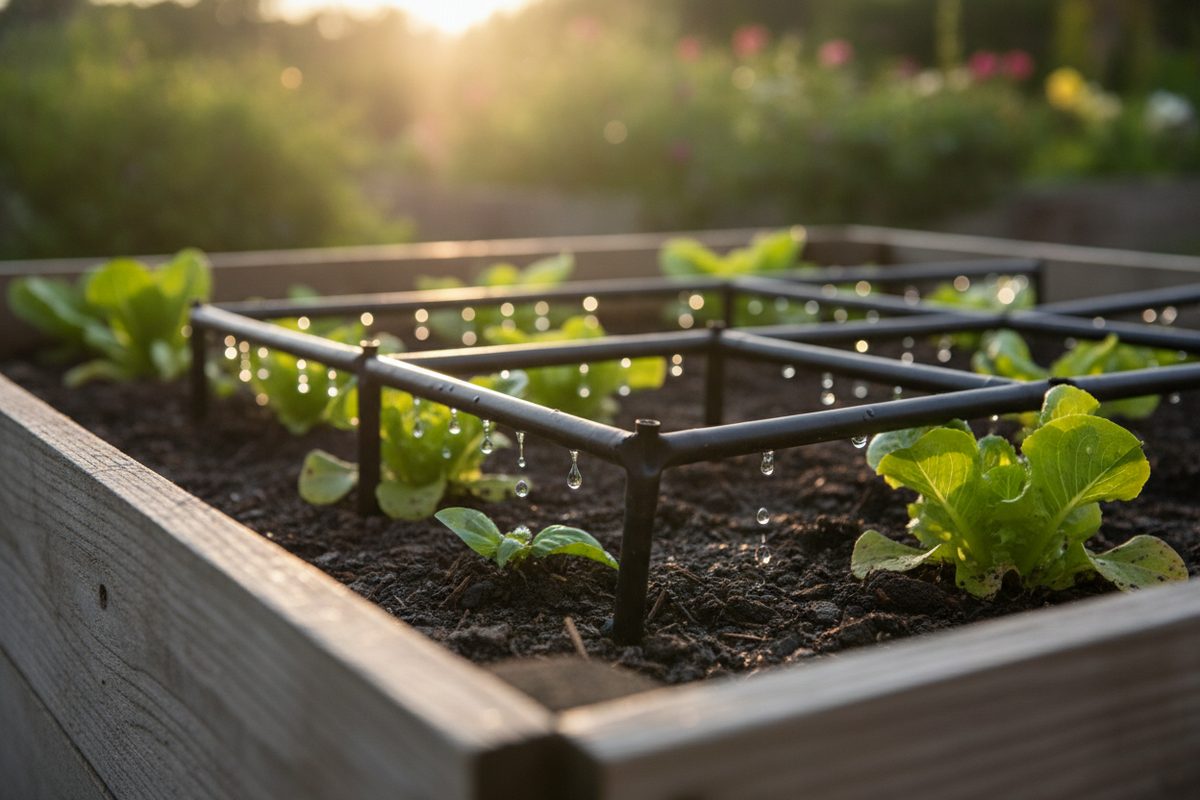
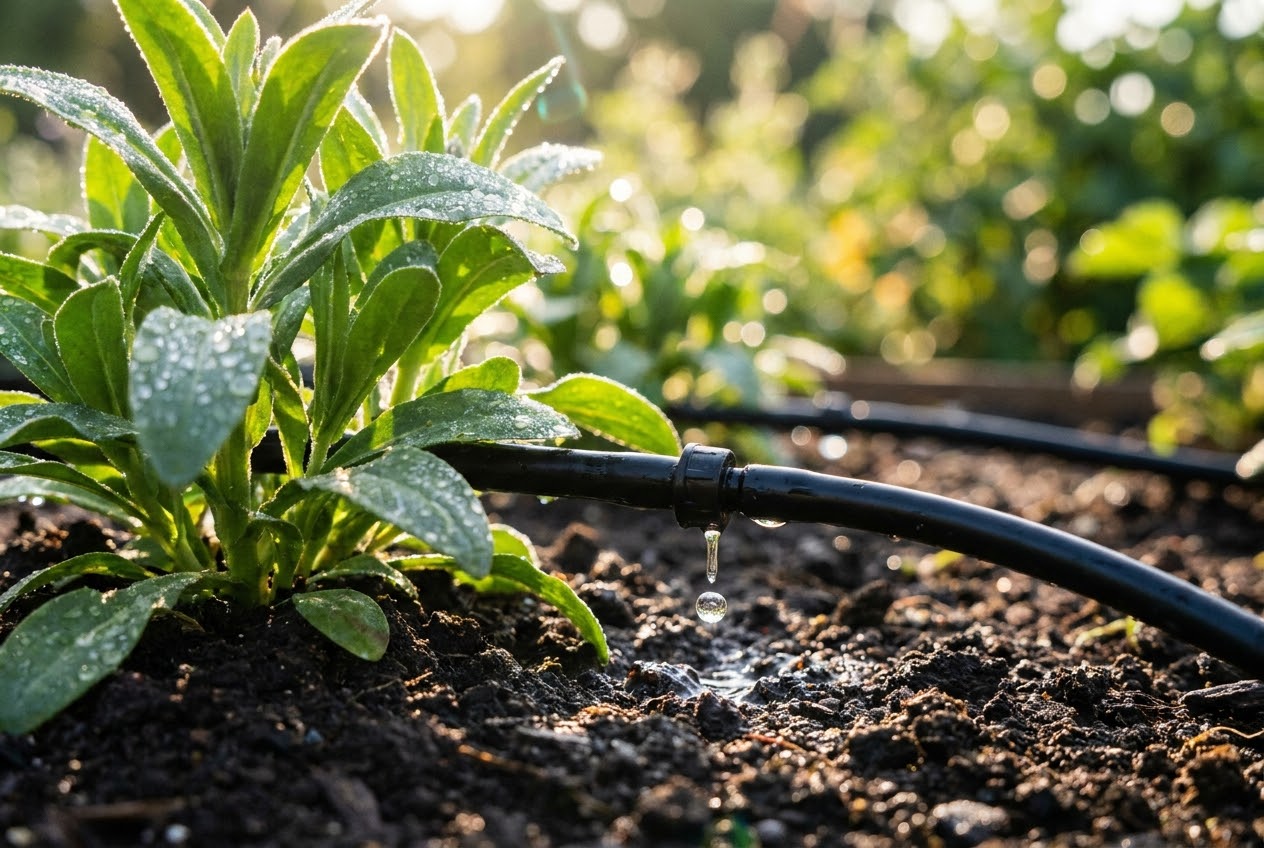
Drip irrigation is the gold standard for garden watering efficiency. It delivers water slowly and directly to the root zone of each plant through a network of tubes and emitters. Because the water goes exactly where it is needed, drip systems use 30 to 50 percent less water than overhead sprinklers and virtually eliminate evaporation loss. They also keep foliage dry, dramatically reducing disease pressure.
A basic drip irrigation system consists of a main supply line connected to your water source, with smaller drip tubes or drip tape branching off to individual rows or beds. Emitters at each plant deliver water at a controlled rate, typically one to two gallons per hour. You can run the system on a timer for fully automated watering. The initial investment is modest: a basic kit for a small garden costs thirty to sixty dollars and pays for itself quickly in water savings. For a detailed build guide, see our article on building a simple drip irrigation system.
Soaker Hoses
Soaker hoses are porous hoses that weep water along their entire length. They are simpler and cheaper than drip irrigation but slightly less efficient because they deliver water uniformly along the row rather than at individual plant locations. Lay soaker hoses along your garden rows, cover them with mulch to prevent evaporation, and connect them to a timer for hands-off watering. Soaker hoses work best in straight rows and are ideal for vegetable gardens, perennial borders, and hedge plantings.
Hand Watering
Hand watering with a hose and spray nozzle or watering can is the most flexible method. It lets you give individual attention to each plant and is ideal for small gardens, containers, and spot-watering. The downside is that it requires your time and presence, and it is easy to under-water or over-water without a consistent approach. When hand watering, apply water slowly at the base of each plant rather than spraying from above. Water until it begins to pool on the surface, wait for it to soak in, then apply more. Deep, slow watering produces stronger root systems than a quick daily sprinkle.
Sprinklers
Overhead sprinklers are the least efficient option for vegetable gardens. They lose significant water to evaporation and wind drift, and wet foliage promotes disease. Sprinklers are best suited for lawns and large areas of ground cover where drip irrigation is impractical. If you must use a sprinkler, water in the early morning so foliage dries quickly, and use a model with large droplets that are less affected by wind.
Ollas and Buried Clay Pots
An ancient technique experiencing a modern revival, ollas are unglazed clay pots buried in the soil with just the neck exposed. You fill the pot with water, and it slowly seeps through the porous clay walls directly into the root zone. Plants grow roots toward the olla and draw water as needed, creating a self-regulating system with zero electricity or timers. Ollas are particularly effective in arid climates and for container gardens. You can make DIY ollas from unglazed terracotta pots sealed together at the base.
Mulching to Retain Moisture
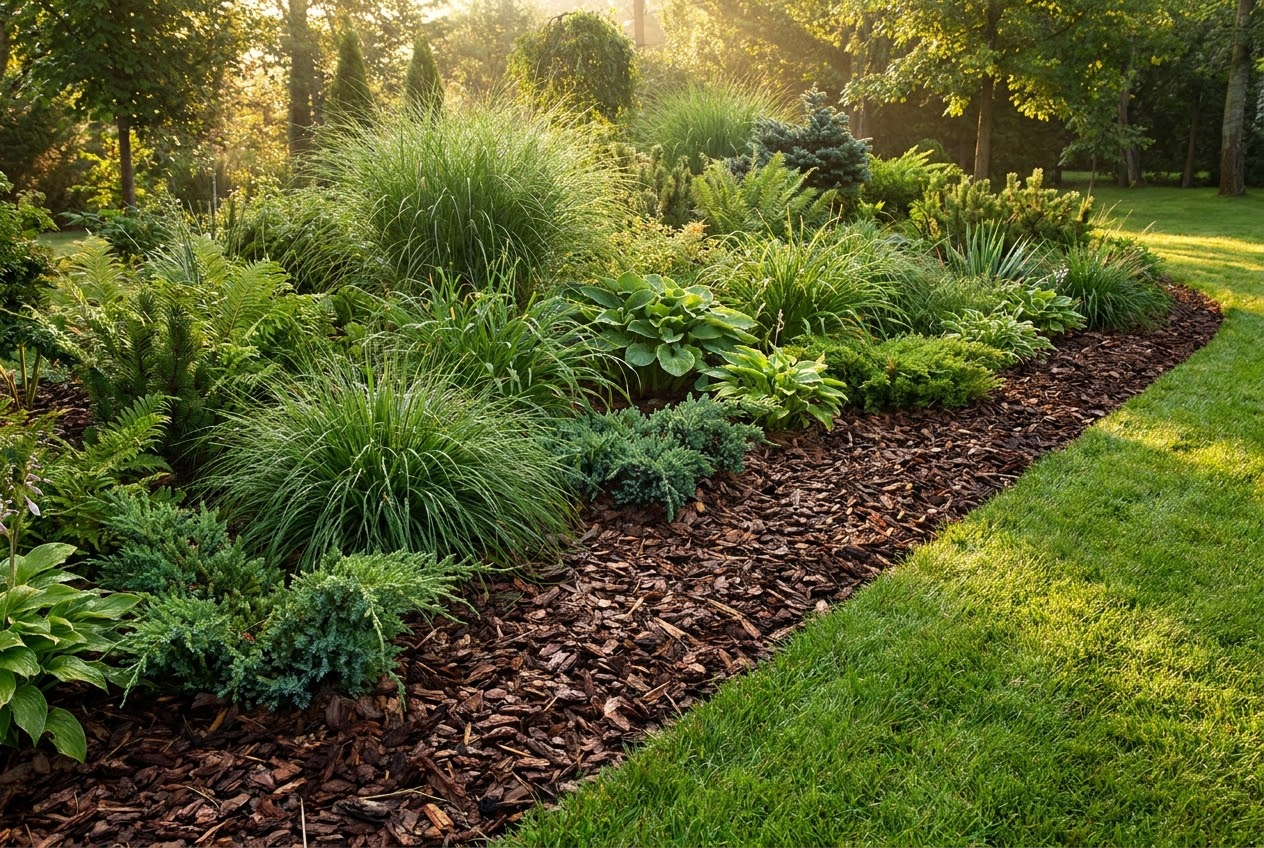
Mulch is the single most effective tool for reducing water loss from your garden soil. A layer of organic mulch covering the soil surface reduces evaporation by up to 70 percent, keeps soil temperatures cooler, suppresses weeds that compete for water, and gradually breaks down to improve soil structure.
Apply two to four inches of organic mulch around your plants, keeping it a few inches away from stems to prevent rot. Straw, shredded leaves, wood chips, grass clippings, and pine needles all work well. Straw is particularly popular in vegetable gardens because it is light, easy to spread, and does not compact. Wood chips are better for perennial beds and pathways, where they break down slowly and suppress weeds effectively.
Living mulch, such as low-growing clover planted between rows, is another excellent option. Clover fixes nitrogen from the air, enriching the soil while providing ground cover that reduces moisture loss. White Dutch clover and crimson clover are both popular choices for vegetable garden living mulch. Watering an established mulched garden requires significantly less water than an unmulched one, making this one of the simplest and most impactful water conservation strategies available. Learn more about mulch options in our guide to choosing the right mulch for every garden area.
Watering by Plant Type
Different plants have different water needs, and understanding these differences helps you water more efficiently. Grouping plants with similar water requirements together, a technique called hydrozoning, prevents over-watering some plants while under-watering others.
Leafy Greens
Lettuce, spinach, kale, and other leafy greens have shallow root systems and high water content. They need consistent moisture to produce tender, flavorful leaves. Even brief drought stress can cause bolting, making leaves bitter and tough. Water leafy greens lightly every day or two in hot weather, keeping the top few inches of soil consistently moist but not waterlogged.
Fruiting Crops
Tomatoes, peppers, eggplants, squash, and cucumbers need deep, consistent watering, especially once they begin setting fruit. Inconsistent watering causes problems like blossom end rot in tomatoes and bitter compounds in cucumbers. Water these crops deeply two to three times per week rather than shallowly every day. Deep watering encourages roots to grow downward, making plants more drought-resilient over time.
Root Crops
Carrots, beets, radishes, and turnips need even moisture for smooth, well-formed roots. Drought stress causes woody, cracked, or forked roots. However, over-watering can lead to lush tops with small roots. Aim for moderate, consistent moisture and mulch heavily to maintain even soil moisture levels.
Herbs
Mediterranean herbs like rosemary, thyme, sage, and oregano are drought-tolerant once established and actually produce more flavorful essential oils when slightly stressed. Over-watering herbs dilutes their flavor and can cause root rot. Water these herbs only when the soil is dry several inches down. Basil and parsley prefer more consistent moisture and should be treated more like leafy greens.
Beans and Peas
Legumes need consistent moisture during flowering and pod development but are relatively drought-tolerant during vegetative growth. Water deeply during the critical flowering and fruiting period, and reduce watering once pods begin to mature. Dry beans and peas intended for storage should be allowed to dry on the vine with minimal late-season watering.
Water Needs by Vegetable
This reference table shows the approximate weekly water needs for common garden vegetables, along with their root depth and watering preferences.
| Vegetable | Weekly Water Need | Root Depth | Watering Preference |
|---|---|---|---|
| Tomatoes | 1–2 inches | Deep (24–36 in) | Deep, infrequent; consistent during fruiting |
| Peppers | 1–1.5 inches | Medium (18–24 in) | Consistent moisture; avoid drought during flowering |
| Cucumbers | 1–2 inches | Medium (12–24 in) | Consistent; deep watering during fruiting |
| Squash | 1–2 inches | Medium (18–36 in) | Deep, infrequent; mulch heavily |
| Lettuce | 1 inch | Shallow (6 in) | Frequent, light; keep soil consistently moist |
| Carrots | 1 inch | Deep (12–18 in) | Consistent even moisture for smooth roots |
| Beans | 1 inch | Medium (12–24 in) | Consistent during flowering; reduce as pods mature |
| Potatoes | 1–2 inches | Medium (12–18 in) | Consistent during tuber formation; stop before harvest |
| Kale & Chard | 1–1.5 inches | Medium (12–18 in) | Consistent moisture for tender leaves |
| Onions & Garlic | 1 inch | Shallow (6–12 in) | Consistent during bulb formation; stop before harvest |
Containers vs. In-Ground
Container plants and in-ground plants have fundamentally different watering needs, and understanding these differences prevents both drought stress and over-watering.
Container Watering
Containers dry out much faster than in-ground beds because the soil volume is limited and exposed to air on all sides. In hot weather, large containers may need watering twice daily, while small pots can dry out in just a few hours. The key to container watering is thorough saturation every time you water. Water until it flows freely from the drainage holes, ensuring the entire root zone is moistened. Shallow sprinkling wets only the top layer and encourages shallow root growth that is vulnerable to drought.
Self-watering containers with built-in reservoirs dramatically reduce watering frequency. The reservoir holds water that wicks up into the soil through capillary action, providing consistent moisture for days. You can buy self-watering planters or make your own from nested five-gallon buckets. This is a game-changer for busy gardeners or anyone who travels frequently.
Choosing the right container size matters. Larger pots hold more soil and moisture, requiring less frequent watering. A minimum of five gallons is recommended for tomatoes and other large plants. Light-colored containers reflect heat and stay cooler than dark ones, reducing moisture loss. Adding a layer of mulch on top of container soil, just as you would in the ground, significantly reduces evaporation. For more container growing ideas, explore our guide to vertical gardening ideas for small yards.
In-Ground Watering
In-ground gardens benefit from the natural moisture reserves in the surrounding soil. Established plants with deep root systems can access water from several feet below the surface, making them more resilient to short droughts. The goal with in-ground watering is to encourage deep root growth by watering thoroughly and infrequently rather than sprinkling daily. Apply water slowly at the soil surface, let it soak in, and then apply more until the top six to eight inches of soil are moist.
Raised Beds
Raised beds fall between containers and in-ground gardens in terms of water needs. They drain faster than in-ground soil but hold moisture better than pots. The depth of the bed matters: shallow beds (six to eight inches) dry out quickly and may need daily watering in hot weather, while deeper beds (twelve inches or more) hold moisture more like in-ground soil. Regardless of depth, raised beds benefit enormously from mulching and drip irrigation. Our article on raised bed gardening covers soil mix and moisture management in detail.
Seasonal Adjustments
Your watering strategy should evolve with the seasons. What works in spring will not work in the heat of summer, and fall requires yet another approach.
Spring
In spring, soil is typically moist from winter rains and snowmelt. Newly planted seeds and transplants need consistent moisture to establish roots, but heavy watering is usually unnecessary. Monitor soil moisture and water only when the top inch is dry. This is a good time to set up your irrigation system before the busy summer season arrives.
Summer
Summer is the most demanding watering season. High temperatures, intense sunlight, and actively growing plants combine to create maximum water demand. Increase watering frequency but maintain deep watering practices. Mulch is your best friend during summer, keeping soil temperatures down and moisture in. Consider installing a simple drip irrigation system with a timer to ensure consistent watering even when you are busy or away.
Fall
As temperatures cool and days shorten, gradually reduce watering frequency. Fall is also the time to harvest cool-season crops that may need continued watering. If you are putting the garden to bed, do a final deep watering before winter to ensure plants and soil are well-hydrated going into the cold months. Fall is also an excellent time to set up rainwater harvesting to capture winter precipitation for use in the following growing season.
Winter
In cold climates, outdoor watering is unnecessary when the ground is frozen. However, if you grow in a greenhouse or cold frame, continue watering as needed. Greenhouse plants in winter use less water than summer plants but still need monitoring. Water less frequently, and always in the morning so plants have time to dry before the cold nights.
Water Conservation Strategies
Water is an increasingly precious resource, and every gardener has a responsibility to use it wisely. Fortunately, the most water-efficient practices also produce the healthiest plants.
Rainwater Harvesting
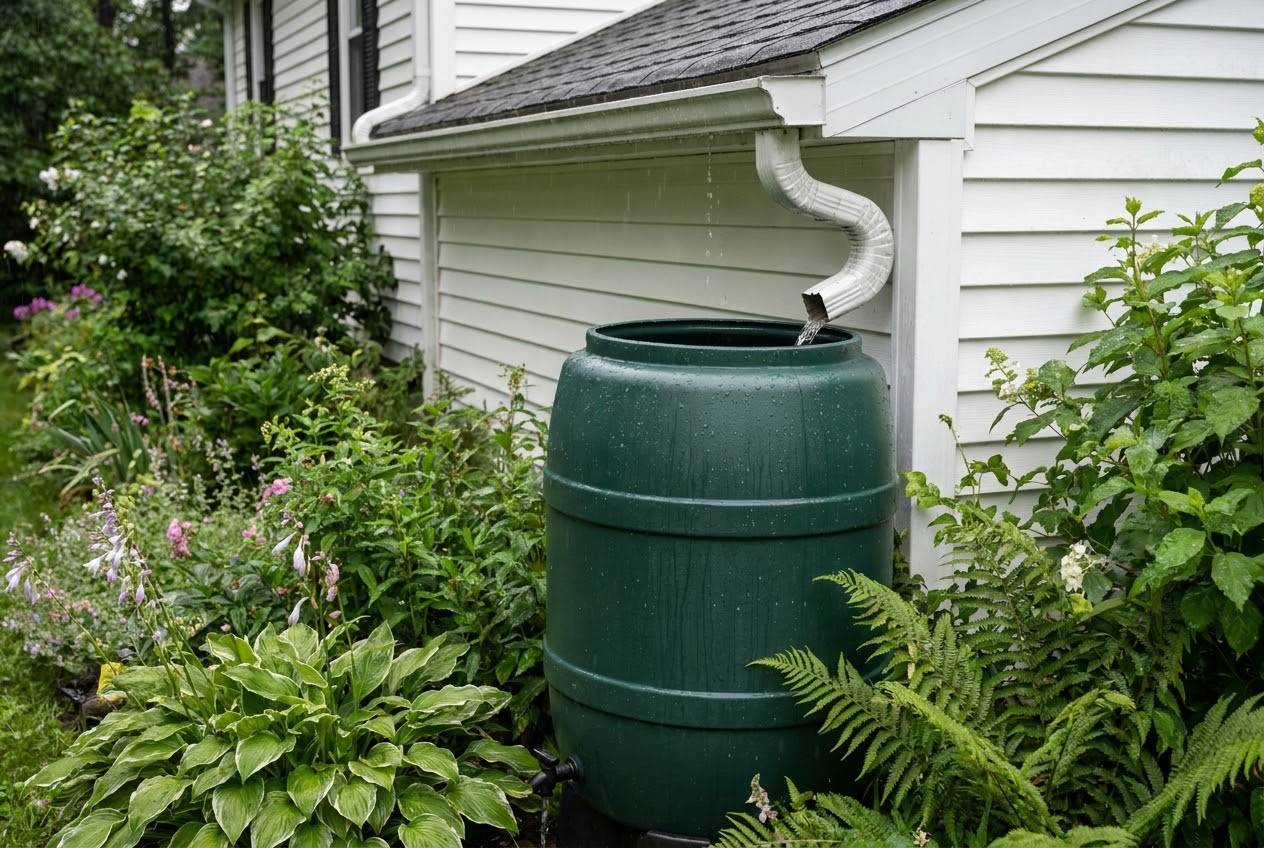
Collecting rainwater from your roof into barrels or cisterns provides free, naturally soft water that plants love. A single inch of rain on a 1,000-square-foot roof yields over 600 gallons of water. Even a modest rain barrel system can supply a small garden through dry spells. Rainwater is free of chlorine, fluoride, and other municipal water additives, making it ideal for sensitive plants. Check local regulations, as some areas have restrictions on rainwater collection, though most encourage it.
Greywater Recycling
Greywater from your kitchen sink, bathroom sinks, and washing machine can be safely used to water ornamental plants and fruit trees when using plant-based, biodegradable soaps. Avoid using greywater on root vegetables or leafy greens that you eat raw. Simple greywater diversion systems redirect water from your laundry or sink directly to outdoor plants. Always check local codes before installing a greywater system.
Soil Improvement
The single most effective water conservation strategy is improving your soil. Soil rich in organic matter holds dramatically more water than depleted soil. Adding just one percent organic matter to sandy soil can increase its water-holding capacity by 20,000 gallons per acre. Regular applications of compost, cover cropping, and mulching all build organic matter over time. This creates a virtuous cycle where better soil needs less water, which produces healthier plants, which add more organic matter as they decompose.
Choosing Drought-Tolerant Varieties
Many vegetable and herb varieties have been bred for improved drought tolerance. Look for varieties described as heat-tolerant, drought-resistant, or adapted to arid conditions in seed catalogs. Native plants and traditional varieties from Mediterranean, African, or Southwestern regions are naturally adapted to low-water conditions. Incorporating these into your garden reduces overall water demand without sacrificing harvests. For a full guide on water-wise landscaping, see our article on drought-tolerant gardening and xeriscaping basics.
Frequently Asked Questions
How can I tell if my garden needs watering without a moisture meter?
The finger test is the simplest and most reliable method. Stick your index finger into the soil up to the second knuckle (about two inches). If the soil feels dry at that depth, it is time to water. If it feels moist, check again tomorrow. For clay soils, if the soil sticks to your finger and feels cool, it still has moisture. For sandy soils, if you can barely feel any moisture, water immediately. This method works for both in-ground beds and containers.
Is it better to water less often but more deeply?
Yes, for most established plants, deep and infrequent watering is superior to shallow daily watering. Deep watering encourages roots to grow downward, creating a more extensive root system that is better able to access moisture during dry periods. Shallow watering keeps roots near the surface, making plants vulnerable to heat and drought. The exception is newly planted seeds and seedlings, which have tiny, shallow root systems and need frequent, light watering until they establish.
How much water does a garden hose use compared to drip irrigation?
A standard garden hose with a spray nozzle delivers about 8 to 12 gallons per minute. In a typical 20-minute watering session, you might use 160 to 240 gallons, much of which evaporates or runs off before reaching roots. A drip irrigation system delivering one gallon per hour per emitter uses a fraction of that amount while delivering water directly to the root zone. Studies from university extension programs show drip systems use 30 to 50 percent less water than overhead methods and produce healthier, more productive plants.
Should I water my garden every day?
In most cases, no. Established vegetable gardens with mulch and reasonable soil need deep watering only two to three times per week during the growing season. Daily watering is usually only necessary for newly seeded beds, very shallow containers, or during extreme heat waves. If you feel the need to water daily, it likely means your soil needs improvement, your mulch layer is too thin, or your irrigation method is not delivering water efficiently. Adding compost and mulch is the long-term solution.
Can I use tap water for my garden, or is rainwater better?
Tap water is perfectly fine for garden use, though rainwater has some advantages. Municipal water often contains chlorine, which kills beneficial soil microbes, and may have a higher pH than rainwater. If you are concerned about chlorine, let tap water sit in an open container for 24 hours before using it, which allows the chlorine to dissipate. Rainwater is naturally soft, slightly acidic, and free of additives, making it ideal for acid-loving plants and seedlings. Combining both sources is practical for most gardeners: use rainwater when available and tap water to fill the gaps.