Why Grow Your Own Tomatoes
Tomatoes are the number one reason people start vegetable gardens, and for good reason. A homegrown tomato, still warm from the sun and eaten minutes after picking, bears almost no resemblance to the pale, mealy supermarket variety shipped across the country and ripened with ethylene gas. The flavor difference is so dramatic that many first-time gardeners describe tasting their own homegrown tomato as a revelation. Once you have experienced a truly ripe, garden-fresh tomato, there is no going back.
Beyond taste, growing your own tomatoes gives you control over what goes into your food. You decide whether to use organic methods, which fertilizers to apply, and whether to spray anything at all. You can grow varieties chosen for flavor rather than shipping durability, including heirloom tomatoes with complex, rich tastes that commercial growers cannot profitably produce. A single healthy tomato plant can produce ten to twenty pounds of fruit over a season, making it one of the most productive plants per square foot in any garden.
Tomatoes are also remarkably rewarding for beginners. They grow fast, produce visible results quickly, and are forgiving of many common mistakes. The satisfaction of picking your first ripe tomato after weeks of nurturing the plant is genuinely thrilling, and it motivates you to expand your gardening efforts. If you are new to gardening, starting with tomatoes is one of the best decisions you can make. For a complete overview of getting started, see our guide on how to start a vegetable garden from scratch.
Choosing the Right Varieties
Walking into a garden center or browsing a seed catalog can be overwhelming when you see the hundreds of tomato varieties available. Understanding the basic categories helps you narrow your choices to varieties that will thrive in your situation.
Determinate vs. Indeterminate
This is the most important distinction in tomato growing. Determinate tomatoes grow to a fixed height, typically three to four feet, set all their fruit within a concentrated period, and then decline. They are bushy, self-limiting plants that do not require extensive pruning. Determinate varieties are ideal for containers, small spaces, and gardeners who want a large harvest all at once for canning or sauce making. Popular determinate varieties include Roma, San Marzano, Celebrity, and Bush Early Girl.
Indeterminate tomatoes continue growing and producing fruit until frost kills them. They can reach six to twelve feet tall in a single season, sprawling and vining their way up trellises and cages. Indeterminate plants produce fruit continuously over the entire growing season, giving you a steady supply of fresh tomatoes from midsummer until the first frost. They require more space, more support, and regular pruning, but most gardeners prefer them for the extended harvest period. Cherry tomatoes like Sun Gold and Sweet Million, and slicers like Brandywine, Cherokee Purple, and Better Boy are indeterminate.
Cherry and Grape Tomatoes
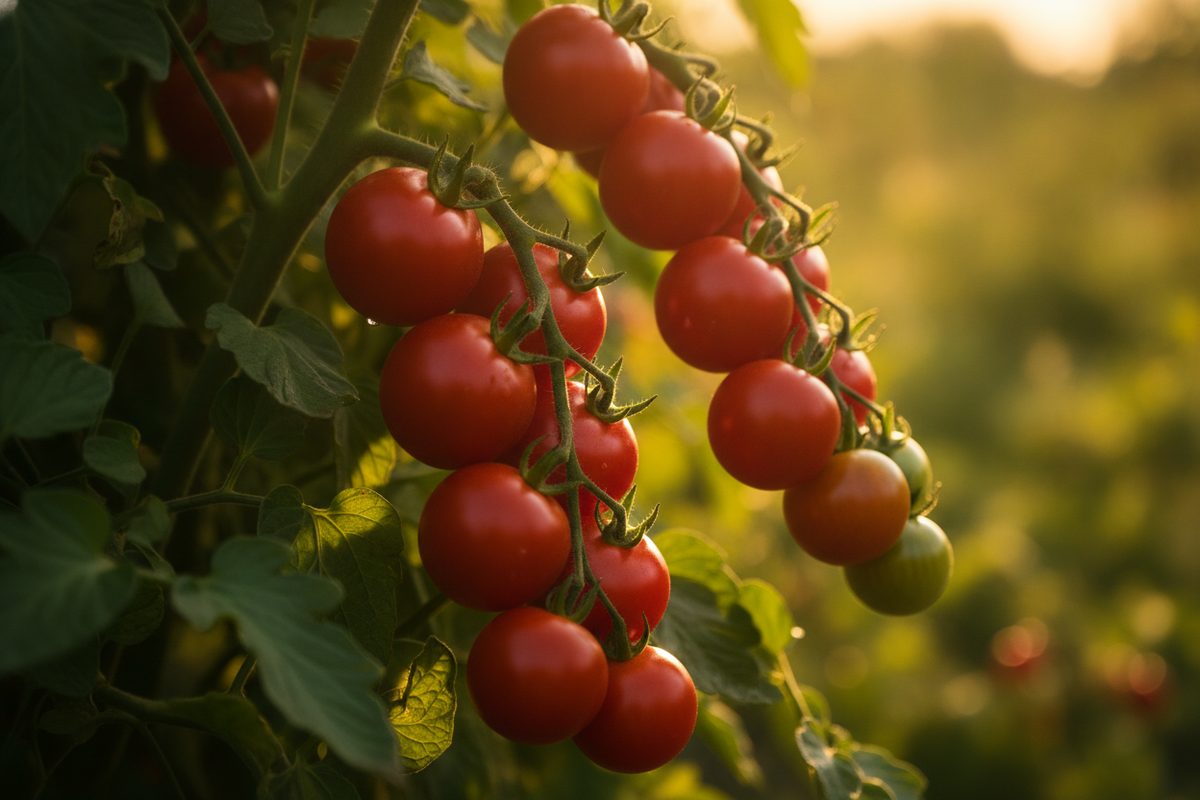
Cherry tomatoes are the easiest and most reliable tomatoes to grow. They are incredibly productive, often producing hundreds of fruits per plant. They ripen earlier than full-size tomatoes, resist cracking and disease better, and are naturally sweet and flavorful. If you grow nothing else, grow cherry tomatoes. They are perfect for snacking, salads, roasting, and kids love them straight off the vine. Sun Gold, with its tropical-sweet orange fruits, consistently ranks as the most popular cherry tomato among home gardeners.
Slicing Tomatoes
These are the classic large tomatoes for sandwiches, burgers, and fresh eating. They range from medium (six to eight ounces) to beefsteak size (one pound or more). Larger varieties take longer to ripen and are often more finicky, so beginners should start with medium-sized slicers like Early Girl, Better Boy, or Celebrity before tackling the big heirlooms. Slicing tomatoes are typically indeterminate and need sturdy support.
Heirloom Tomatoes
Heirloom tomatoes are open-pollinated varieties that have been passed down through generations, often for fifty years or more. They come in an astonishing range of colors, shapes, and flavors. Brandywine offers a rich, complex taste that many consider the ultimate tomato. Cherokee Purple has a dusky, smoky sweetness. Green Zebra provides a tangy, zingy bite. The trade-off is that heirlooms tend to be less disease-resistant and more prone to cracking and blemishes than modern hybrids. The flavor, however, is unmatched. Growing heirloom tomatoes is one of the great pleasures of home gardening.
Paste and Sauce Tomatoes
Paste tomatoes have meatier flesh with fewer seeds and less water content, making them ideal for sauces, salsas, and canning. Roma is the most famous paste tomato, but San Marzano, widely considered the best sauce tomato in the world, is also a popular choice. Most paste tomatoes are determinate, making them good candidates for container growing and batch harvesting.
Tomato Variety Comparison
Use this table to compare popular tomato varieties and choose the best ones for your garden.
| Variety | Type | Days to Harvest | Best Use | Disease Resistance |
|---|---|---|---|---|
| Sun Gold | Cherry (Indeterminate) | 57–65 | Fresh eating, snacking, salads | Good; very productive |
| Early Girl | Slicer (Indeterminate) | 50–60 | Fresh eating, sandwiches | Good; early producer |
| Better Boy | Slicer (Indeterminate) | 70–75 | All-purpose, fresh eating | VFN resistant |
| Celebrity | Slicer (Semi-determinate) | 70 | All-purpose, salads | VFFNT resistant |
| Roma | Paste (Determinate) | 75–80 | Sauces, canning, salsa | VFN resistant |
| San Marzano | Paste (Indeterminate) | 78–85 | Sauces, canning, paste | Moderate |
| Brandywine | Heirloom (Indeterminate) | 80–90 | Fresh eating, sandwiches | Low; open-pollinated |
| Cherokee Purple | Heirloom (Indeterminate) | 80–85 | Fresh eating, salads | Low; great flavor |
| Sweet Million | Cherry (Indeterminate) | 60–65 | Snacking, salads, roasting | Good; crack-resistant |
| Big Beef | Slicer (Indeterminate) | 73 | Sandwiches, fresh eating | VFFNTA resistant |
Starting Seeds Indoors
Starting tomatoes from seed gives you access to hundreds of varieties that garden centers do not carry, saves money compared to buying transplants, and gives you control over timing and growing conditions. It is also deeply satisfying to nurture a plant from a tiny seed to a productive adult.
Timing
Start tomato seeds indoors six to eight weeks before your last expected frost date. In most of the United States, this means starting seeds in late February through March. Check your local frost date and count backward. Starting too early produces leggy, overgrown transplants that struggle after transplanting. Starting too late means smaller plants and a delayed harvest.
Equipment and Process
You need seed starting trays or small pots, a quality seed starting mix (not garden soil, which is too heavy and may contain disease organisms), and a warm, bright location. Fill trays with pre-moistened seed starting mix, plant seeds one-quarter inch deep, and gently firm the soil. Water from the bottom by placing trays in a shallow pan of water and letting the soil wick moisture upward. Cover with a humidity dome or plastic wrap until seeds germinate.
Tomato seeds germinate best at soil temperatures between 70 and 80 degrees Fahrenheit. A seedling heat mat placed under the trays dramatically speeds germination, which typically occurs in five to ten days with warmth. Once seedlings emerge, remove the cover and place them under bright light. A south-facing window works, but supplemental grow lights produce stronger, stockier seedlings. Position lights two to three inches above the seedlings and raise them as the plants grow.
Hardening Off
Before transplanting seedlings outdoors, they must be gradually acclimated to outdoor conditions through a process called hardening off. Over seven to ten days, gradually increase the time seedlings spend outdoors, starting with a few hours in a sheltered, shady spot and working up to full sun and full days outside. Bring them in at night for the first few nights, then leave them out overnight once nighttime temperatures are reliably above 50 degrees. Hardening off prevents transplant shock, sunscald, and wind damage that can set plants back by weeks.
Transplanting Outdoors
Transplant tomato seedlings into the garden after all danger of frost has passed and nighttime temperatures are consistently above 50 degrees Fahrenheit. Soil temperature should be at least 60 degrees for good root growth.
Site Selection
Tomatoes need full sun, meaning at least six to eight hours of direct sunlight per day. More sun equals more fruit. Choose a spot with well-drained soil and good air circulation. Avoid planting tomatoes where other nightshades (peppers, eggplant, potatoes) grew the previous year, as they share diseases that persist in the soil. Rotate your tomato beds annually as part of a broader crop rotation strategy.
Planting Technique
Tomatoes are one of the few plants that benefit from deep planting. Remove the lowest leaves and bury the stem up to the first set of true leaves. The buried stem will sprout roots along its length, creating a stronger, more drought-resistant root system. If your seedlings are very tall and leggy, you can dig a trench and lay the stem horizontally, gently bending the top upward. The buried stem will root along its entire length.
Space indeterminate plants two to three feet apart and determinate plants eighteen to twenty-four inches apart. Add a handful of compost and a small amount of balanced organic fertilizer to each planting hole. Water thoroughly after transplanting and apply a two to three inch layer of mulch around each plant, keeping mulch a few inches from the stem to prevent rot. For more on preparing your soil, read our soil testing and amendment guide.
Support Systems
Tomato plants, especially indeterminate varieties, need support to keep them off the ground. Unsupported plants are more susceptible to disease, pest damage, and fruit rot. Choose your support system before or at planting time.
Tomato Cages
Cylindrical wire cages are the most common support for home gardeners. They are easy to install: place the cage over the young plant and push the legs into the soil. As the plant grows, tuck wayward branches inside the cage. The problem with standard garden center cages is that they are too small for indeterminate tomatoes. A three-foot cage will quickly be overwhelmed by a plant that wants to grow seven feet tall. For indeterminate varieties, build your own cages from concrete reinforcing wire (six-inch mesh, five feet tall) or buy heavy-duty commercial cages.
Staking
A single sturdy stake, six to eight feet tall, driven eighteen inches into the soil beside each plant provides strong vertical support. As the plant grows, tie the main stem to the stake with soft twine or fabric strips at twelve-inch intervals. Staking requires regular pruning of suckers to keep the plant manageable, but it produces the most compact, easy-to-harvest plants and takes up the least garden space.
Florida Weave
The Florida weave, also called the basket weave, is a commercial technique that works beautifully in home gardens with rows of tomatoes. Drive sturdy stakes at the end of each row and between every two plants. Starting about one foot above the ground, weave twine back and forth between the stakes on alternating sides of the plants. Add a new layer of twine every twelve inches as the plants grow. This method supports plants from both sides, requires no individual tying, and is faster to set up than staking each plant individually.
Trellises
A tall trellis or fence provides vertical support for tomatoes trained to climb. String trellises using heavy twine hung from a horizontal support beam at the top allow tomatoes to climb naturally. This method works well in greenhouses and along south-facing walls. Prune plants to one or two main stems and regularly wind them around the trellis strings.
Pruning Suckers
Pruning is one of the most misunderstood aspects of tomato growing. Suckers are the small shoots that emerge from the joint where a leaf stem meets the main stem. Left unpruned, suckers grow into full branches, creating a bushy, sprawling plant that produces many small fruits but can become unmanageable.
For indeterminate tomatoes, removing suckers focuses the plant's energy on fewer, larger fruits and keeps the plant more manageable. Pinch off suckers when they are small, less than two inches long. Removing large suckers creates wounds that are slow to heal and can introduce disease. The general recommendation is to remove all suckers below the first flower cluster and selectively remove some above it, depending on how many stems you want to grow. Many experienced gardeners grow indeterminate tomatoes to one or two main stems for the largest, highest-quality fruit.
Determinate tomatoes should generally not be pruned, as they have a genetically determined growth habit and removing suckers reduces yield. Light pruning of lower leaves that touch the ground is fine for airflow, but leave the growing points alone.
Late in the season, four to six weeks before your expected first frost, pinch off the growing tip of each main stem. This stops the plant from producing new flowers and fruit that will not have time to ripen, redirecting the plant's energy into ripening existing fruit. This simple technique can significantly increase the number of ripe tomatoes you harvest before frost.
Watering and Fertilizing
Consistent watering is the single most important factor in tomato quality. Inconsistent moisture causes a cascade of problems, including blossom end rot, fruit cracking, and catfacing. Our detailed guide on watering your garden efficiently covers all the techniques you need, but here are the tomato-specific essentials.
Watering Schedule
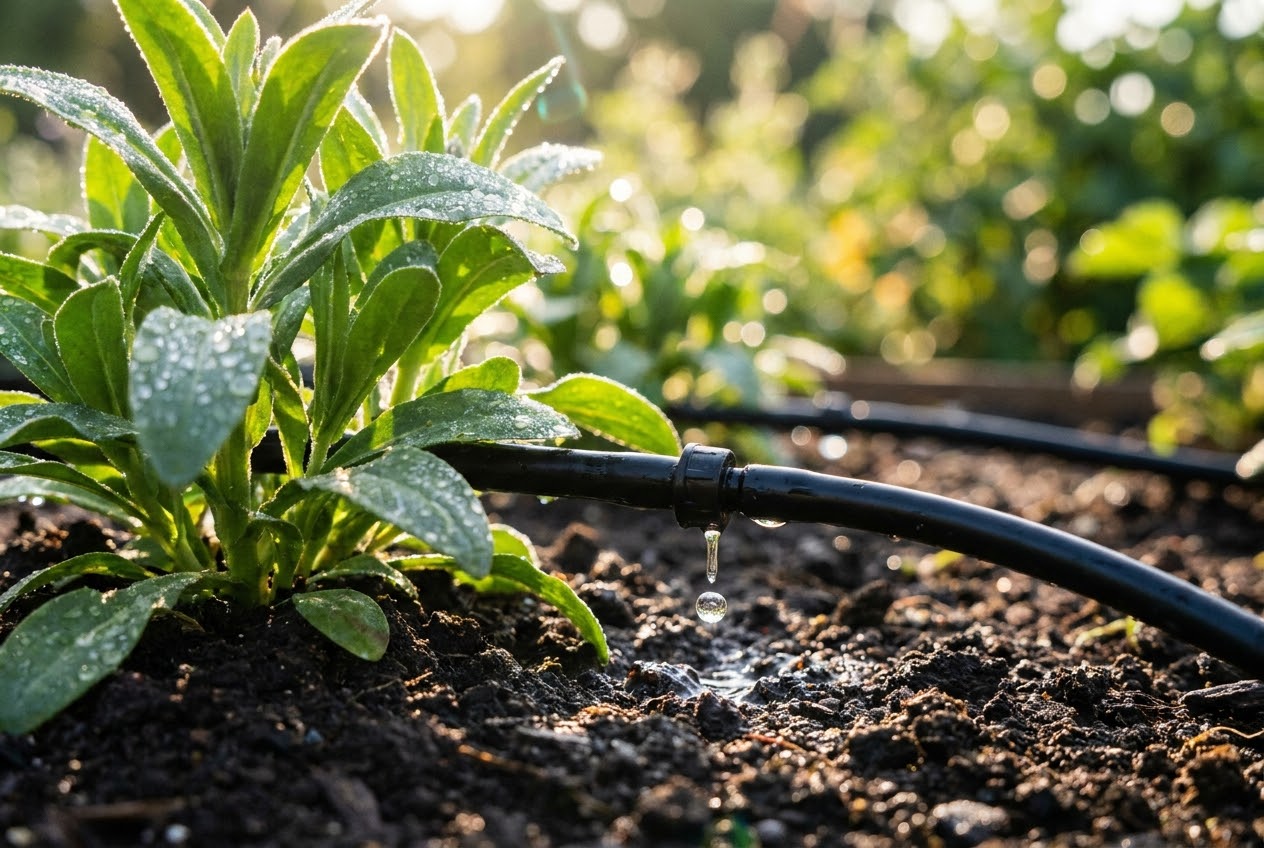
Tomatoes need about one to two inches of water per week during the growing season. The key is consistency. Water deeply two to three times per week rather than a light sprinkle every day. Deep watering encourages roots to grow downward, creating a more resilient plant. Always water at the base of the plant, not on the foliage. Wet leaves promote fungal diseases. Drip irrigation or soaker hoses are ideal for tomatoes.
Mulching is essential for maintaining even soil moisture. A thick layer of straw or shredded leaves around tomato plants prevents the soil from drying out and cracking between waterings, moderates soil temperature, and suppresses weeds. Mulched tomato plants produce significantly more fruit with fewer problems than unmulched plants.
Fertilizing
Tomatoes are moderate to heavy feeders, but over-fertilizing with nitrogen produces lush foliage at the expense of fruit. The ideal tomato fertilizer has a lower first number (nitrogen) and higher second and third numbers (phosphorus and potassium). A balanced organic fertilizer at planting time, followed by a phosphorus and potassium boost when flowers appear, is the basic approach.
Side-dress plants with compost or a balanced organic fertilizer every four to six weeks during the growing season. Fish emulsion, kelp meal, and bone meal are excellent organic options that provide a broad spectrum of micronutrients. Avoid high-nitrogen fertilures once the plant begins flowering, as they promote leafy growth at the expense of fruit production.
Common Problems and Solutions
Even experienced gardeners encounter tomato problems. Knowing what to look for and how to respond saves your harvest.
Blossom End Rot
This appears as a dark, sunken, leathery patch on the bottom of developing fruit. Despite popular belief, it is not caused by a calcium deficiency in the soil but by inconsistent watering that prevents the plant from transporting calcium to the fruit. The solution is even, consistent moisture through mulching and regular deep watering. Affected fruit can still be eaten: just cut away the rotten portion.
Fruit Cracking
Radial cracks or splits in ripening fruit result from sudden influxes of water after a dry period. The inside of the fruit swells faster than the skin can expand, causing it to crack. Prevent cracking by maintaining consistent watering, mulching heavily, and harvesting fruit as soon as it begins to show color. Fruit that has started to blush will ripen perfectly well on your kitchen counter.
Early and Late Blight
These fungal diseases cause dark spots on leaves, stems, and fruit, eventually defoliating the plant. Early blight (Alternaria solani) appears as concentric rings on lower leaves, while late blight (Phytophthora infestans) produces water-soaked gray-green patches that rapidly turn brown and fuzzy. Prevention is far more effective than treatment. Space plants for good airflow, water at the base, mulch to prevent soil splash, remove lower leaves, and rotate crops annually. Copper-based fungicides labeled for organic use can slow blight if applied early. Choosing resistant varieties provides the best protection. For comprehensive pest and disease management, see our guide on natural pest control methods.
Tomato Hornworms
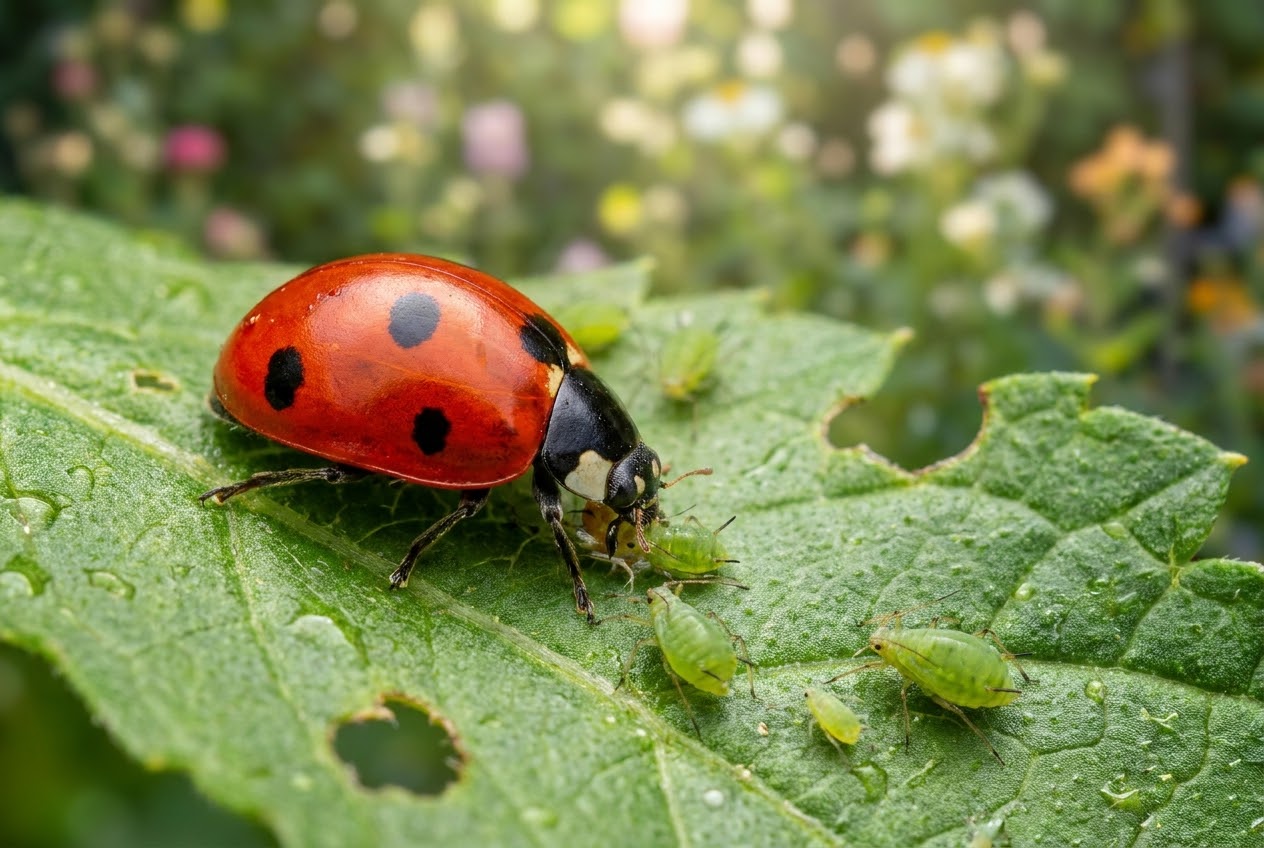
These large green caterpillars, marked with white V-shaped stripes and a horn on their rear end, can defoliate a tomato plant in days. They are surprisingly hard to spot despite their size because their coloring camouflages them perfectly against the stems. Handpicking is the most effective control: look for dark droppings (frass) on leaves below and search the stems above. If you see a hornworm covered with small white cocoons, leave it alone. These are the cocoons of parasitic wasps that will hatch and attack more hornworms.
Harvesting and Storing
Knowing when and how to harvest your tomatoes makes the difference between good and great flavor.
When to Harvest
Tomatoes go through several color stages: mature green, breaker (first blush of color), turning (30 to 60 percent colored), pink, light red, and fully red (or fully colored for non-red varieties). For the best flavor, allow tomatoes to ripen on the vine to the fully colored stage. However, once a tomato reaches the breaker stage, it will continue to ripen off the vine with no loss of flavor. Harvesting at the breaker stage is a good strategy when pests, cracking, or weather threaten your crop.
Gently twist and pull the fruit from the vine, or use pruning shears to cut the stem just above the calyx (the green star-shaped cap). Avoid yanking, which can damage the plant and neighboring fruit.
Ripening Indoors
To ripen tomatoes indoors, place them in a single layer on a countertop or in a paper bag with a banana or apple. The ethylene gas produced by the banana accelerates ripening. Check daily and use tomatoes as they ripen. Never refrigerate fresh tomatoes. Cold temperatures destroy the volatile compounds that give tomatoes their flavor and alter the texture, making them mealy and bland. Store at room temperature and use within a week of ripening.
Saving Seeds
If you grow open-pollinated or heirloom tomatoes, you can save seeds for next year. Squeeze seeds and surrounding gel into a jar with a little water. Let it ferment for two to three days, stirring daily. The fermentation breaks down the gel coating that inhibits germination and kills seed-borne diseases. Rinse the seeds in a strainer, spread them on a plate to dry for a week, and store in a cool, dry place in a labeled envelope. Hybrid tomato seeds will not grow true to type, so only save seeds from open-pollinated varieties. For more on seed saving, see our detailed guide on how to save seeds from your garden.
Preserving Your Harvest
When your tomato plants hit peak production, you may have more tomatoes than you can eat fresh. Fortunately, tomatoes are incredibly versatile for preservation. Roast them with garlic and olive oil and freeze them for winter sauces. Make and can marinara sauce, salsa, or crushed tomatoes. Dehydrate slices for sun-dried tomatoes. Freeze whole tomatoes by washing, drying, and placing them directly in freezer bags. The skins slip off easily after thawing. A single productive tomato plant can fill your pantry with jars of sauce that taste like summer all winter long.
Frequently Asked Questions
How many tomato plants should a beginner grow?
Start with three to five plants. This gives you enough variety to experiment and enough production to enjoy fresh tomatoes throughout the season, without becoming overwhelming. Choose one cherry tomato (like Sun Gold or Sweet Million), one reliable slicer (like Better Boy or Celebrity), and one or two varieties that interest you. You can always expand next year once you have some experience under your belt.
Why are my tomato flowers dropping without setting fruit?
This is called blossom drop, and it usually occurs when nighttime temperatures are below 55 degrees or above 75 degrees, or when daytime temperatures exceed 90 degrees. Tomatoes set fruit best when nighttime temperatures are between 60 and 70 degrees. Other causes include insufficient pollination, over-fertilizing with nitrogen, and drought stress. Be patient: once temperatures settle into the ideal range, the plants will resume setting fruit. You can also gently shake flowering stems to help with pollination, especially in still air or greenhouse conditions.
Should I remove the leaves at the bottom of my tomato plants?
Yes, removing the lowest leaves that touch or nearly touch the ground is a good practice. These leaves are most likely to contact soil-borne diseases and are often shaded enough that they contribute little to photosynthesis. Removing them improves air circulation, reduces disease pressure, and makes it harder for soil-dwelling pests to climb the plant. Leave at least two-thirds of the plant's foliage intact to ensure adequate photosynthesis.
Can I grow tomatoes in containers?
Absolutely. Choose determinate or dwarf varieties for the best results in containers. Use a minimum five-gallon pot (ten to fifteen gallons is better for indeterminate varieties), fill with quality potting mix, and ensure drainage holes are present. Container tomatoes dry out faster than in-ground plants and may need daily watering in hot weather. A self-watering container reduces watering frequency dramatically. Add a stake or small cage for support, and fertilize more frequently since nutrients leach from containers with each watering. Cherry tomatoes like Tiny Tim, Patio Princess, or Tumbling Tom are bred specifically for container growing.
When is it too late to plant tomatoes?
Tomatoes need about 60 to 85 days from transplanting to first harvest, depending on the variety. Count backward from your expected first fall frost date. If you have at least 75 days remaining before frost, you can still plant transplants. In most of the US, this means planting is possible through early July. If you are starting from seed, add six to eight weeks to that timeline. For a late-season crop, choose fast-maturing varieties like Early Girl (50 days) or cherry tomatoes like Sun Gold (57 days). Even if the plant does not have time to fully ripen all its fruit before frost, you can harvest green tomatoes and ripen them indoors. For planning your entire growing season, check our seasonal garden planning guide.