Introduction
There is something deeply satisfying about walking into your backyard and picking a tomato you grew yourself. The flavor is richer, the texture is firmer, and you know exactly what went into producing it. If you have ever wanted to start a vegetable garden but felt overwhelmed by the process, you are not alone. Millions of people every year look at a patch of yard and wonder where to begin.
The truth is that starting a vegetable garden from scratch does not require fancy equipment, years of experience, or a large plot of land. What it does require is a bit of planning, some basic knowledge about your growing conditions, and the willingness to get your hands dirty. This guide will walk you through every step, from picking the perfect spot to harvesting your first crop, so you can start your first vegetable garden with confidence.
Whether you have a sprawling backyard or a modest corner of a suburban lot, the principles remain the same. By the end of this article, you will have a clear roadmap for turning bare ground into a productive, thriving garden that feeds your family fresh produce for months each year.
Choosing the Right Location
Location is the single most important decision you will make when planning a garden. Get this right, and everything else becomes easier. Get it wrong, and you will fight an uphill battle all season long. Before you dig a single hole, spend a few days observing your yard at different times of day.
Sunlight: The Non-Negotiable Factor
Most vegetables need a minimum of six to eight hours of direct sunlight each day. Fruiting crops like tomatoes, peppers, squash, and cucumbers perform best with eight hours or more. Leafy greens such as lettuce, spinach, and kale can tolerate somewhat less, around four to six hours, but they still prefer as much light as possible.
Walk your yard in the morning, at noon, and in the late afternoon. Note which areas stay sunny and which get shaded by trees, fences, or buildings. Pay attention to seasonal changes too. A spot that is sunny in June might be shaded in April when the sun is lower in the sky. South-facing areas typically receive the most consistent light throughout the growing season in the Northern Hemisphere.
If your yard is heavily shaded, you still have options. You might consider vertical gardening techniques to maximize the light that does reach your space, or focus on shade-tolerant crops like leafy greens and herbs.
Drainage and Water Access
Vegetables hate sitting in water. Poor drainage leads to root rot, fungal diseases, and stunted growth. To test your drainage, dig a hole about twelve inches deep and fill it with water. If the water drains within a few hours, your drainage is adequate. If it sits for more than eight hours, you will need to address the problem, perhaps by building raised garden beds or amending heavy clay soil.
You will also need easy access to water. Hauling watering cans across a large yard gets old fast, especially during the heat of summer when plants need daily attention. Position your garden within reach of a hose, or consider installing a simple drip irrigation system. If you are interested in water conservation, rainwater harvesting is an excellent way to reduce your environmental footprint while keeping your garden hydrated.
Wind Protection and Accessibility
Strong winds can damage young plants, dry out soil quickly, and topple tall crops like tomatoes and corn. If your yard is exposed, consider placing your garden near a fence, wall, or hedge that provides a natural windbreak. Just make sure the windbreak does not cast too much shade.
Accessibility matters more than most beginners realize. You will be visiting your garden almost daily during the growing season. Place it somewhere you walk past regularly, ideally close to your kitchen. The closer your garden is to your door, the more likely you are to tend it, harvest promptly, and notice problems before they get out of hand.
Planning Your Garden Layout
Once you have chosen your spot, it is time to plan the layout. This does not need to be complicated. A simple sketch on paper is enough to help you visualize spacing, pathways, and which crops go where.
Start Small
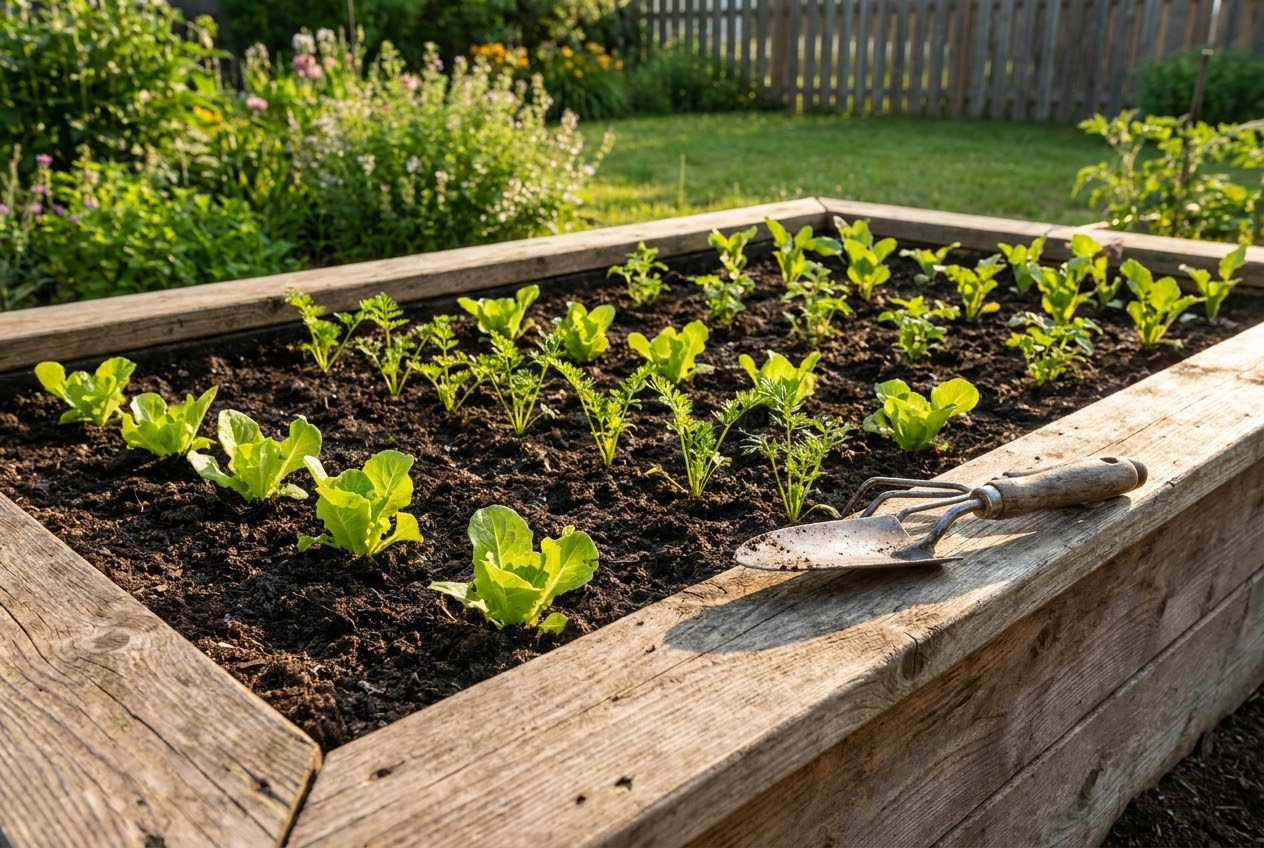
This is the advice that experienced gardeners give over and over again, and for good reason. A garden that is too large becomes a chore rather than a joy. For your first vegetable garden, a plot measuring roughly ten feet by twelve feet is plenty. That gives you enough room to grow a meaningful variety of vegetables without overwhelming yourself with maintenance.
You can always expand next year once you have a season of experience under your belt. It is far better to have a small, well-maintained garden than a sprawling one full of weeds and neglected plants.
Row Layout vs. Raised Beds
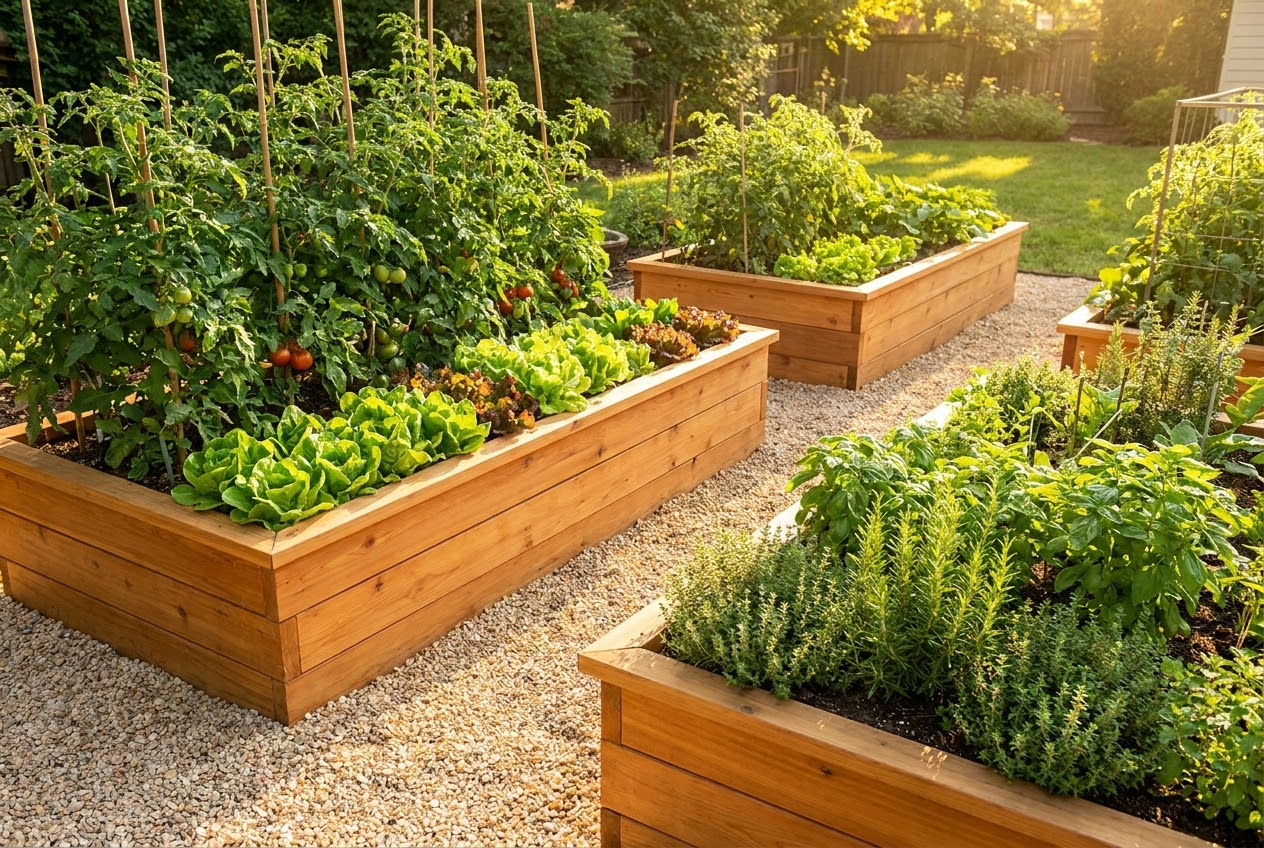
Traditional row gardens work well for large spaces and crops that need plenty of room, like corn or potatoes. For most home gardeners, though, raised beds or wide-row planting is more efficient. Raised beds allow you to control soil quality, improve drainage, and reduce the amount of bending and kneeling required. They also warm up faster in spring, which gives you an earlier start to the season.
If you decide to go with raised beds, check out our detailed guide on raised bed gardening for step-by-step building instructions and soil mix recommendations.
Companion Planting Basics
Some plants grow better together. Tomatoes and basil, for example, are classic companions. Basil may help repel certain insects that bother tomatoes, and both plants enjoy similar growing conditions. Corn, beans, and squash form another well-known trio often called the "Three Sisters." The corn provides a trellis for the beans, the beans fix nitrogen in the soil, and the squash shades the ground to suppress weeds.
On the other hand, some combinations should be avoided. Fennel inhibits the growth of most vegetables, and members of the allium family (onions, garlic) can stunt the growth of beans and peas. A basic understanding of companion planting will help you arrange your garden for maximum productivity.
Selecting Vegetables for Beginners
Walking into a seed store for the first time can be intoxicating. Hundreds of colorful packets line the shelves, each promising amazing results. Resist the urge to buy everything. Start with vegetables that are known to be forgiving and productive, and expand your repertoire as your skills grow.
Easy Vegetables for First-Time Gardeners
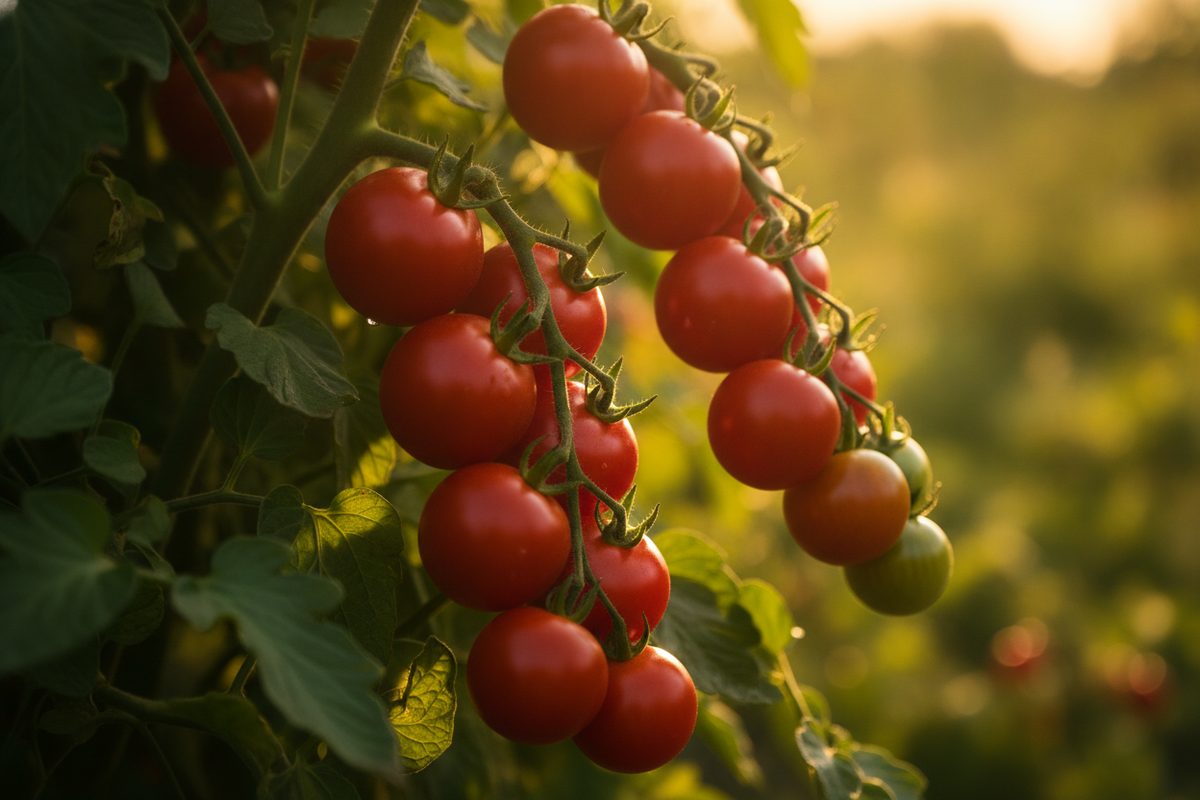
Some vegetables are almost foolproof. Lettuce grows quickly and can be harvested in as little as thirty days. Radishes are even faster, often ready in three to four weeks. Bush beans produce abundantly with minimal care, and zucchini is famously prolific, sometimes overwhelmingly so. Cherry tomatoes are much easier to grow than their larger cousins and produce fruit continuously throughout the season. Herbs like basil, chives, and parsley are practically indestructible and add tremendous value to your kitchen.
If you are interested in growing herbs indoors as well, our guide on the best herbs to grow indoors year-round covers twelve varieties that thrive on a windowsill.
Vegetable Difficulty Comparison
| Difficulty | Vegetables | Why |
|---|---|---|
| Easy | Lettuce, Radishes, Bush Beans, Zucchini, Cherry Tomatoes, Herbs, Spinach, Green Onions | Fast-growing, tolerant of imperfect conditions, minimal pest issues, forgiving of beginner mistakes |
| Moderate | Tomatoes (slicing), Peppers, Cucumbers, Carrots, Beets, Peas, Kale, Swiss Chard | Require staking or support, more sensitive to watering consistency, some pest management needed |
| Difficult | Cauliflower, Brussels Sprouts, Celery, Melons, Sweet Corn, Asparagus, Artichokes | Long growing seasons, precise temperature or nutrient needs, prone to specific pests or diseases |
Understanding Your Soil
Soil is the foundation of your garden. You can have perfect sunlight, ideal watering, and the best seeds available, but if your soil is poor, your plants will struggle. Taking the time to prepare your soil before planting is the single best investment you can make in your garden's success.
Testing Your Soil
Before you add anything to your soil, find out what you are working with. A basic soil test tells you the pH level, which nutrients are present, and which are lacking. Most vegetables prefer a pH between 6.0 and 7.0, slightly acidic to neutral. You can buy inexpensive test kits at garden centers, or send a sample to your local cooperative extension office for a more thorough analysis.
Understanding your soil type is equally important. Sandy soil drains quickly but does not hold nutrients well. Clay soil retains moisture but becomes compacted and waterlogged. Loam, the ideal garden soil, is a balanced mixture of sand, silt, and clay that holds moisture while still draining well. For a deeper dive into soil science, read our complete guide to soil testing and amendment.
Amending Your Soil
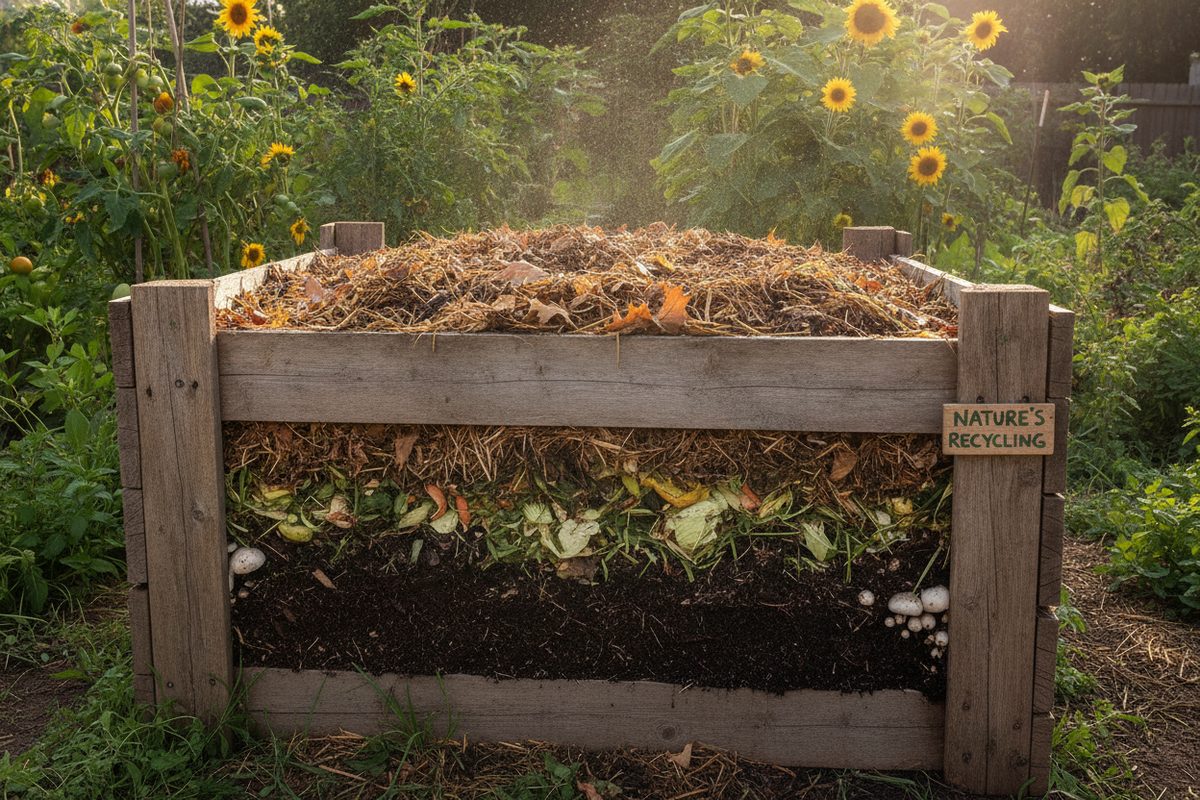
Regardless of your starting soil type, adding organic matter is almost always beneficial. Compost is the gold standard. It improves drainage in clay soil, increases water retention in sandy soil, and feeds beneficial microorganisms that keep your soil healthy. If you do not already have a compost pile, our ultimate composting guide will help you get started turning kitchen scraps and yard waste into garden gold.
Aged manure, leaf mold, and coconut coir are other excellent amendments. Avoid fresh manure, which can burn plants and introduce pathogens. Spread a two- to three-inch layer of compost over your garden bed and work it into the top six to eight inches of soil with a garden fork or tiller. This single step will dramatically improve your soil's structure and fertility.
Essential Tools for Your First Garden
You do not need a shed full of expensive tools to start a vegetable garden. A handful of basics will handle most tasks.
- Spade or shovel for digging beds and turning soil
- Garden fork for breaking up compacted soil and mixing in amendments
- Hand trowel for transplanting seedlings and digging small holes
- Garden rake for leveling soil and removing debris
- Watering can or hose with spray nozzle for gentle, even watering
- Wheelbarrow for moving compost, mulch, and soil
- Garden gloves to protect your hands from blisters and thorns
- Pruning shears for harvesting and trimming plants
Beyond these basics, consider investing in a soil thermometer (useful for knowing when to plant), plant labels or markers, and a kneeling pad to save your knees during long planting sessions.
Creating a Planting Schedule
Timing is everything in gardening. Plant too early and a late frost can kill your seedlings. Plant too late and your crops may not have enough time to mature before fall. Understanding your local growing season is essential.
Finding Your Frost Dates
Your last spring frost date and first fall frost date define the boundaries of your growing season. In the United States, the USDA Plant Hardiness Zone Map is a good starting point, but frost dates are even more useful for annual vegetable planning. Your local cooperative extension office or a quick online search for your zip code will tell you these dates precisely.
For example, if your last spring frost is May 10 and your first fall frost is October 15, you have roughly five months of frost-free growing. Warm-season crops like tomatoes and peppers should not be planted outdoors until after the last frost. Cool-season crops like lettuce, peas, and spinach can go in two to four weeks before the last frost.
Starting Seeds Indoors vs. Direct Sowing
Some crops, like tomatoes, peppers, and eggplant, benefit from being started indoors six to eight weeks before your last frost date. This gives them a head start and extends your harvest window. Other crops, like carrots, radishes, and beans, prefer to be sown directly in the garden because they do not transplant well.
For your first year, there is no shame in buying transplants from a local nursery. Seedlings that are already several weeks old eliminate the guesswork of indoor seed starting and let you skip straight to the planting.
Planting Depth and Spacing Guide
| Vegetable | Planting Depth | Spacing Between Plants | Spacing Between Rows |
|---|---|---|---|
| Tomatoes | Deep (bury stem up to first leaves) | 24-36 inches | 36-48 inches |
| Lettuce | 1/8 inch (surface sow) | 6-12 inches | 12-18 inches |
| Carrots | 1/4 inch | 2-3 inches | 12 inches |
| Bush Beans | 1 inch | 3-4 inches | 18-24 inches |
| Cucumbers | 1/2 inch | 12-18 inches | 48-72 inches |
| Peppers | 1/4 inch | 18-24 inches | 24-36 inches |
| Radishes | 1/2 inch | 1 inch | 6-8 inches |
| Zucchini | 1 inch | 24-36 inches | 36-48 inches |
| Spinach | 1/2 inch | 3-4 inches | 12 inches |
| Green Onions | 1/4 inch | 1-2 inches | 6-8 inches |
Watering Your Garden
New gardeners tend to either water too much or too little. Both mistakes can be devastating. The goal is to keep the soil consistently moist but never soggy. Stick your finger into the soil up to the second knuckle. If it feels dry at that depth, it is time to water. If it feels damp, wait another day.
Watering Best Practices
Water deeply and less frequently rather than lightly every day. Deep watering encourages roots to grow downward, making plants more drought-resistant and stable. Shallow, frequent watering keeps roots near the surface where they are vulnerable to drying out.
Water in the morning whenever possible. This gives foliage time to dry before evening, which reduces the risk of fungal diseases. If you must water in the afternoon, aim for the soil rather than the leaves. Drip irrigation and soaker hoses are excellent for this because they deliver water directly to the root zone.
For more detailed watering strategies, see our guide on watering your garden efficiently.
Mulching to Retain Moisture
A two- to three-inch layer of organic mulch, such as straw, shredded leaves, or wood chips, does wonders for moisture retention. Mulch also suppresses weeds, regulates soil temperature, and breaks down over time to add organic matter to your soil. Apply mulch after your seedlings are a few inches tall, keeping it a couple of inches away from plant stems to prevent rot. Our article on the benefits of mulching your garden goes into much more detail on this topic.
Common Mistakes to Avoid
Every gardener makes mistakes, especially in their first year. But you can save yourself a lot of frustration by learning from the errors that trip up almost every beginner.
Planting Too Much
It is tempting to fill every square inch of your garden with plants. After all, more plants means more food, right? Not necessarily. Overcrowded plants compete for light, water, and nutrients. They also have poor air circulation, which invites disease. Follow the spacing recommendations on seed packets and resist the urge to squeeze in "just one more."
Ignoring Pests Until It Is Too Late
Aphids, cabbage worms, squash bugs, and other pests can devastate a garden in days if left unchecked. Visit your garden daily and inspect your plants closely. Look at the undersides of leaves where many pests hide and lay eggs. Catching an infestation early makes it much easier to control. For organic approaches to pest management, read our guide on natural pest control methods.
Neglecting Soil Health
Planting year after year without replenishing the soil leads to declining yields and increased pest pressure. Make it a habit to add compost at the beginning and end of each season. Consider growing cover crops in the off-season to prevent erosion and add nitrogen. Healthy soil grows healthy plants, and healthy plants resist pests and diseases far better than stressed ones.
Forgetting to Harvest
This might sound silly, but it happens more often than you would think. Vegetables that are past their peak lose flavor and texture. More importantly, many plants slow or stop producing if mature fruit is left on the vine. Zucchini can go from perfect to baseball-bat-sized in just a couple of days. Check your garden every day during peak season and harvest promptly.
Harvesting Tips for Maximum Flavor
Harvesting at the right time makes an enormous difference in taste and nutrition. Here are some general guidelines for common beginner crops.
- Tomatoes should be harvested when fully colored and slightly soft to the touch. They should come off the vine with a gentle tug.
- Lettuce can be harvested leaf by leaf as needed, or you can cut the entire plant about an inch above the soil to encourage a second growth.
- Carrots are ready when the top of the root is about three-quarters of an inch in diameter and the orange shoulder is visible above the soil line.
- Beans should be picked when the pods are firm and snap easily. If the seeds inside are bulging, they are past peak.
- Zucchini tastes best when harvested at six to eight inches long. Larger fruits become tough and seedy.
- Peppers can be harvested green or left on the plant to ripen to red, yellow, or orange for a sweeter flavor.
Extending Your Growing Season
Once you have tasted success with a basic summer garden, you may want to push the boundaries of your growing season. Cold frames, row covers, and simple hoop houses can add weeks or even months to your harvest window. Starting cool-season crops like spinach and kale in late summer for a fall harvest is another easy way to extend productivity.
If you are feeling ambitious, a small greenhouse can transform your gardening capabilities entirely. Our article on building a DIY greenhouse on a budget shows you how to do it without breaking the bank.
Frequently Asked Questions
How much does it cost to start a vegetable garden?
You can start a small garden for very little money. If you are willing to start from seeds and make your own compost, your main expenses are soil amendments and basic tools, which might total $50 to $100. Raised bed kits, purchased transplants, and premium soil mixes will increase costs, but even a well-equipped starter garden rarely exceeds $200 to $300. Consider it an investment that pays for itself many times over in fresh produce.
When should I start planting my vegetable garden?
This depends on your climate and the specific crops you are growing. Cool-season vegetables like peas, lettuce, and spinach can be planted two to four weeks before your last expected spring frost. Warm-season crops like tomatoes, peppers, and cucumbers should not go outside until all danger of frost has passed and soil temperatures have reached at least 60°F (15°C). Check your local frost dates and plan accordingly.
Can I start a vegetable garden in a small yard?
Absolutely. You do not need acres of land to grow a meaningful amount of food. A single 4-by-8-foot raised bed can produce a surprising quantity of salad greens, herbs, and compact vegetables. If ground space is truly limited, consider container gardening on a patio or balcony. Tomatoes, peppers, herbs, and lettuce all grow well in pots. You can also explore vertical gardening ideas to make the most of every square foot.
How often should I water my vegetable garden?
There is no universal answer because it depends on your soil type, weather, and the specific crops you are growing. As a general rule, most vegetable gardens need about one inch of water per week from rain or irrigation. During hot, dry spells, you may need to water every other day. The finger test is your best guide: push your finger two inches into the soil. If it is dry, water deeply. If it is still moist, wait.
What vegetables give the best return for beginners?
Cherry tomatoes, zucchini, bush beans, lettuce, and herbs like basil and parsley offer the highest yields relative to the space and effort they require. A single cherry tomato plant can produce ten to fifteen pounds of fruit over a season. Zucchini is similarly generous. These crops give beginners a confidence-boosting harvest that motivates them to keep growing.
Conclusion
Starting a vegetable garden from scratch is one of those projects that looks more intimidating than it actually is. Once you break it down into steps, choosing a sunny spot, preparing the soil, selecting easy crops, watering consistently, and harvesting at the right time, it becomes a manageable and deeply enjoyable process.
Your first garden will not be perfect. Some plants will do better than others. You will make mistakes, and that is perfectly fine. Every season teaches you something new, and every harvest, no matter how small, is a victory. The important thing is to start. Get outside, turn some soil, plant some seeds, and see what happens. You might be surprised at just how much you can grow.
For more help planning your growing year, check out our seasonal garden planning guide, and if you want to take your garden to the next level, learning about composting at home is the single best upgrade you can make.