Introduction
Here is a gardening truth that every small-space grower eventually discovers: the ground is only the beginning. When your horizontal square footage is limited, a fence, a wall, a balcony railing, or even a sunny patch of air above a patio becomes prime real estate for growing food, herbs, and flowers. Vertical gardening is the practice of growing plants upward rather than outward, and it is one of the most powerful space-maximizing strategies available to home gardeners.
The appeal of growing vertically extends beyond simple space savings. Vertical gardens improve air circulation around plants, reduce the incidence of fungal diseases, make harvesting easier on your back and knees, and create stunning visual displays that turn bland walls and fences into living tapestries of green. A single square foot of vertical growing space can produce as much food as several square feet of traditional in-ground planting, making vertical gardening ideas especially valuable for apartment dwellers, balcony gardeners, and anyone with a compact yard.
This guide explores the most effective vertical gardening systems, from simple trellises to sophisticated tower gardens. You will learn which plants thrive when grown vertically, how to train climbing plants, and how to water and maintain vertical gardens effectively. Whether you have a sprawling backyard or a six-foot balcony, these ideas will help you grow more than you ever thought possible.
Benefits of Vertical Growing
Before diving into specific systems, it helps to understand why vertical gardening works so well, both practically and horticulturally.
Maximize Limited Space
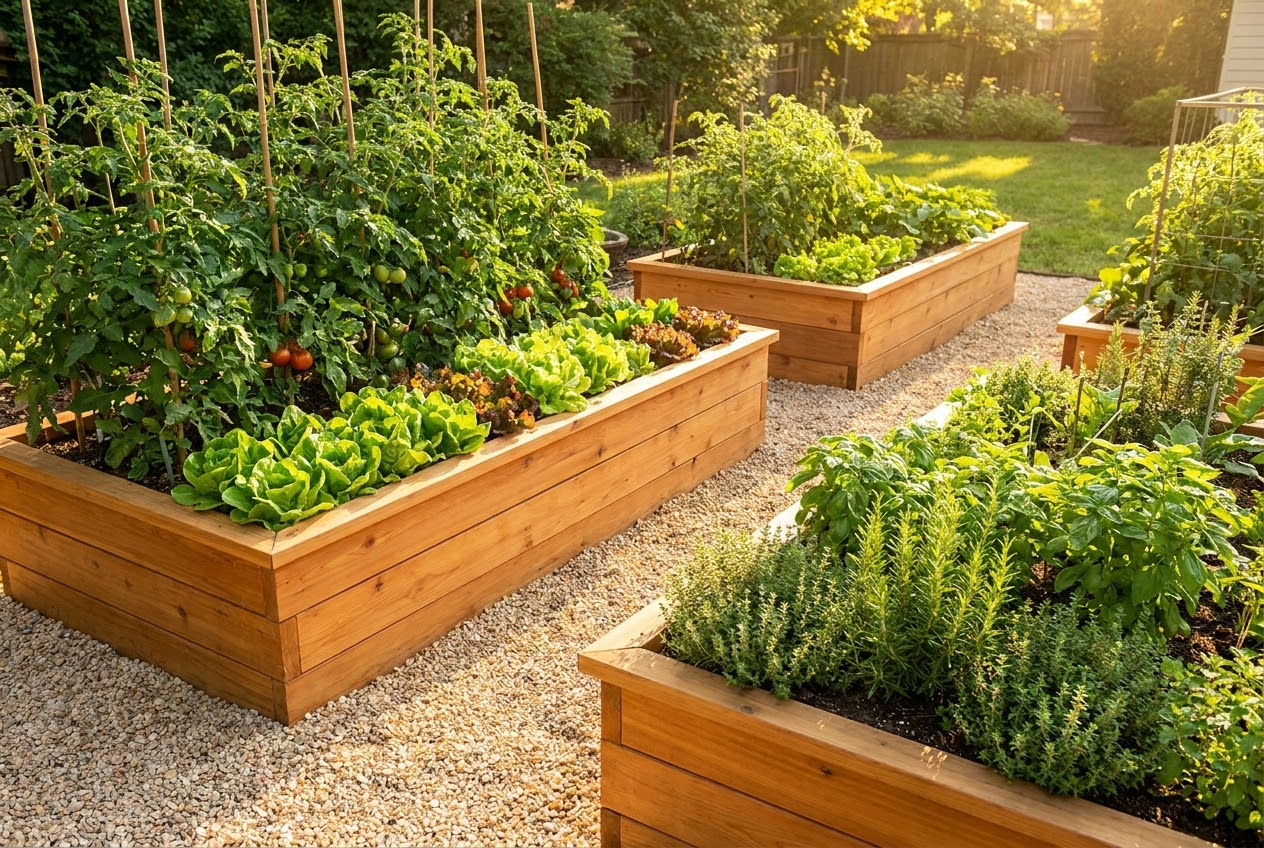
The most obvious benefit is space efficiency. A four-by-eight-foot raised bed occupies 32 square feet of ground. Add a six-foot trellis along one side, and you have added 48 square feet of growing surface without expanding the bed's footprint at all. In urban settings where every square foot counts, this kind of vertical expansion is transformative. Some vertical systems, like tower gardens and living walls, can produce the equivalent of a 20-square-foot garden in just two to three square feet of floor space.
Improved Plant Health
Plants grown vertically enjoy significantly better air circulation than those sprawling across the ground. Good airflow reduces humidity around the foliage, which in turn reduces fungal diseases like powdery mildew, downy mildew, and blight. Fruits that hang from vertical supports stay cleaner and are less susceptible to soil-borne rot. Vining tomatoes grown on trellises, for example, typically have fewer disease problems than the same varieties caged or left unsupported on the ground.
Easier Harvesting and Maintenance
When cucumbers hang at eye level from a trellis or strawberries spill from a wall-mounted planter at arm's reach, harvesting becomes a pleasure rather than a chore. Vertical gardens also reduce the amount of bending and kneeling required for weeding, pruning, and pest inspection. This ergonomic advantage is not trivial, especially for older gardeners or anyone with mobility challenges.
Aesthetic Beauty
A living wall of herbs, a flowering vine scrambling over an archway, or a tower of cascading cherry tomatoes is visually stunning. Vertical gardens add dimension, texture, and color to outdoor spaces in ways that flat beds cannot. They can hide ugly fences, soften harsh walls, create privacy screens, and define outdoor rooms. The beauty is functional, which makes it even more satisfying.
Trellis Systems
Trellises are the workhorses of vertical gardening. They come in countless shapes and materials and can be adapted to virtually any growing situation.
A-Frame Trellises
An A-frame trellis consists of two panels hinged at the top and spread apart at the bottom to form a triangle. This design is freestanding, extremely stable, and can be moved around the garden as needed. Grow climbing crops like cucumbers, pole beans, or small melons on both sides. The space beneath the A-frame provides shade for heat-sensitive crops like lettuce during the summer, effectively doubling the productive use of the same ground area.
Flat Panel Trellises
A flat panel trellis attached to a wall, fence, or the side of a raised bed is the simplest vertical support to build and install. Use wooden lattice, cattle panels (heavy-gauge wire fencing), nylon netting, or even a grid of twine strung between posts. Flat panel trellises work well for tomatoes, peas, beans, climbing squash, and flowering vines. Position them on the north side of your garden bed so they do not shade shorter plants.
String and Wire Trellises
Commercial greenhouse growers train tomatoes and cucumbers up strings suspended from overhead supports. You can replicate this in your garden by stretching a sturdy wire or pipe horizontally between two posts (six to eight feet high) and dropping strings from it to the base of each plant. As the plants grow, gently twist the main stem around the string. This method is incredibly space-efficient and keeps plants upright and productive all season.
Arch and Obelisk Trellises
Decorative arches and obelisks serve double duty as garden art and growing structures. Place an arch over a garden path and train beans, scarlet runner beans, or small squash varieties to climb over it. Obelisks (tower-shaped structures) make elegant focal points in garden beds and support climbing roses, clematis, or morning glories alongside edible vines like Malabar spinach.
Wall-Mounted Planters
Bare walls and fences are underutilized growing surfaces. Wall-mounted planters convert these vertical planes into productive garden space.
Modular wall planter systems consist of individual pots or pockets that attach to a wall with screws, brackets, or mounting strips. Some systems include built-in irrigation channels that distribute water from the top row down to each level. Products like the Woolly Pocket, Florafelt, and various felt-pocket systems are popular choices. Fill them with potting mix and plant herbs, strawberries, lettuce, or small flowers.
DIY wall planters are limited only by your imagination. Repurposed rain gutters mounted horizontally along a fence create excellent shallow planters for lettuce, spinach, and herbs. Old colanders, tin cans with drainage holes, and wooden crates all work as wall-mounted containers when properly secured. Just ensure that any wall planter has adequate drainage and that the mounting hardware can support the weight of wet soil and growing plants.
For more ideas on combining edible and decorative plants in your landscape, our guide on edible landscaping explores creative approaches to mixing food production with visual appeal.
Hanging Baskets
Hanging baskets are one of the simplest forms of vertical gardening, and they are perfect for balconies, porches, and covered patios. Trailing varieties of tomatoes (Tumbling Tom, hundreds of types), strawberries, herbs like trailing rosemary and thyme, and ornamental flowers all thrive in hanging containers.
Choose baskets at least 12 inches in diameter for edibles. Coco fiber and moss liners retain moisture well, but plastic-lined baskets dry out less quickly. Water hanging baskets daily during hot weather, as they dry out faster than ground-level containers. Self-watering hanging baskets with built-in reservoirs reduce watering frequency significantly.
Hang baskets at a height that is easy to reach for watering and harvesting. Too high, and maintenance becomes a chore. Hooks attached to pergolas, porch ceilings, fence posts, or freestanding shepherd's crooks provide flexible hanging options throughout your outdoor space.
Tower Gardens
Tower gardens are vertical growing systems that stack multiple planting sites in a compact column. They are among the most space-efficient vertical gardening ideas available and can produce a remarkable amount of food in a tiny footprint.
Commercial Tower Systems
Products like the Garden Tower 2, GreenStalk, and Mr. Stacky feature multiple tiers of planting pockets arranged around a central column. Some systems include a built-in composting core where kitchen scraps break down and feed the plants from the inside. Others use conventional potting mix in each tier. Prices range from $50 for basic stackable planters to $350 or more for premium systems with integrated composting and wheels.
DIY Tower Gardens
You can build a simple tower garden from a large PVC pipe (six to eight inches in diameter) with two-inch holes drilled at regular intervals up the sides. Fill the pipe with potting mix, plant seedlings in each hole, and water from the top. A five-foot pipe can accommodate 15 to 20 plants in less than one square foot of ground space. This method works exceptionally well for strawberries, lettuce, herbs, and small pepper plants.
Another popular DIY approach uses stacked pots of decreasing size, creating a pyramid effect. A large pot on the bottom, a medium pot on top, and a small pot on top of that gives you three levels of planting space with a small footprint. This method works well for herbs and flowers.
Pallet Gardens
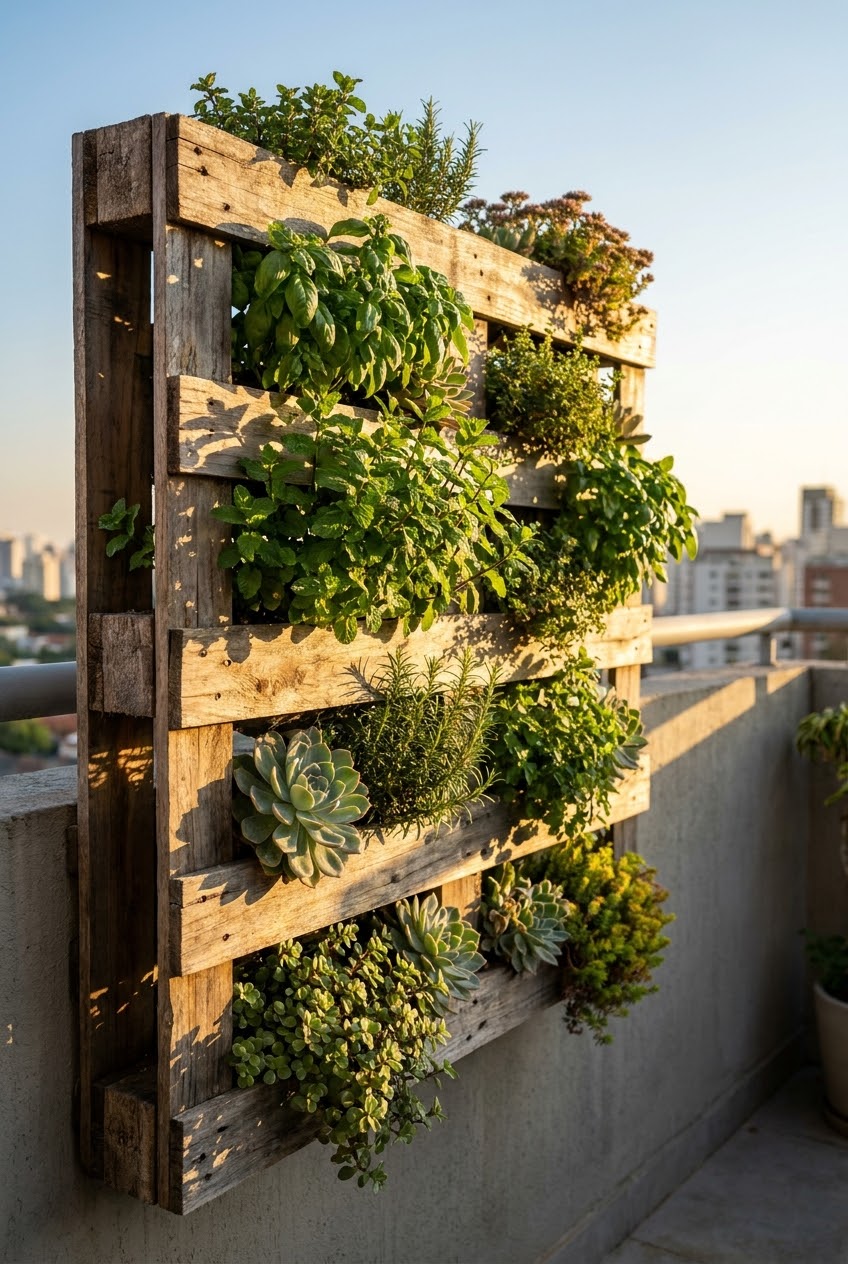
Wooden shipping pallets are free or cheap, widely available, and perfectly suited for vertical gardening projects. A standard pallet provides roughly 12 to 16 square feet of vertical planting surface.
To create a pallet garden, start with a heat-treated pallet (marked "HT," avoid pallets marked "MB" which were treated with methyl bromide). Staple landscape fabric to the back and sides to create a pocket for soil. Lay the pallet flat, fill it with potting mix, and plant seedlings through the slats. Water thoroughly and keep the pallet flat for two to three weeks until the plants have rooted firmly enough to hold the soil in place. Then lean the pallet against a wall or fence at a slight angle.
Pallet gardens work beautifully for shallow-rooted plants: lettuce, spinach, herbs, strawberries, succulents, and small flowers. Avoid heavy feeders like tomatoes or large peppers, which need more root space than a pallet provides.
Gutter Gardens
Rain gutters mounted along a fence, wall, or balcony railing create elegant shallow planters that are perfect for greens, herbs, and strawberries. Mount gutters in a staircase pattern down a wall, with each row offset so water draining from the top gutter flows into the one below, or mount them in parallel rows at different heights.
Drill drainage holes every 12 to 18 inches along the bottom of each gutter. Use end caps to contain the soil. Standard five-inch aluminum or vinyl gutters hold enough soil for lettuce, spinach, radishes, and herbs. For deeper-rooted plants, use oversized six-inch gutters or double-stack two gutters to create a deeper growing channel.
Gutter gardens are remarkably productive. A 10-foot section of gutter mounted along a sunny fence can grow 20 to 30 heads of lettuce or a continuous supply of mixed salad greens throughout the growing season. For more ideas on growing greens, see our microgreens guide.
A-Frame and Lean-To Structures
A-frame garden structures create growing surfaces on two sides while taking up minimal ground space. Build a simple A-frame from two four-by-four-foot panels of lattice hinged at the top. Mount plastic or fabric growing pockets on each side, or attach horizontal boards to create shelves for containers. Position the A-frame so one side faces south and the other faces north. Plant sun-loving crops on the south-facing side and shade-tolerant crops like lettuce and spinach on the north side.
Lean-to structures are similar but consist of a single angled panel against a wall or fence. They are simpler to build and work well for creating a trellis effect for climbing plants while also supporting mounted containers for herbs and greens.
| System Type | Cost Range | Difficulty | Best Plants | Space Saved |
|---|---|---|---|---|
| Trellis (lattice/panel) | $20-$100 | Easy | Tomatoes, beans, peas, cucumbers | 50-70% |
| Wall-mounted planters | $30-$200 | Moderate | Herbs, strawberries, lettuce, flowers | 60-80% |
| Hanging baskets | $10-$40 each | Easy | Trailing tomatoes, strawberries, herbs | 40-60% |
| Tower garden (commercial) | $50-$350 | Easy | Lettuce, herbs, strawberries, peppers | 80-90% |
| Pallet garden | $0-$30 | Easy | Lettuce, herbs, strawberries, succulents | 70-85% |
| Gutter garden | $15-$60 | Moderate | Lettuce, spinach, herbs, radishes | 70-80% |
| A-frame structure | $30-$150 | Moderate | Cucumbers, beans, lettuce, greens | 60-75% |
| PVC tower (DIY) | $15-$40 | Moderate | Strawberries, lettuce, herbs | 85-90% |
Choosing Climbing and Vining Plants
Not all plants are suited for vertical growing. The best candidates are those with natural climbing habits, trailing growth, or compact forms that fit in small containers. Here are the top choices for vertical gardens.
Edible Climbers
Pole beans are the classic vertical crop. They produce far more than bush beans in the same space, climbing eight to twelve feet on any available support. Scarlet runner beans combine beautiful red flowers with productive pods and are attractive to hummingbirds. Cucumbers climb readily and produce cleaner, straighter fruits when grown on a trellis. Small melons and miniature pumpkins can be grown vertically if you support the developing fruit with slings made from old t-shirts or pantyhose.
Climbing Tomatoes
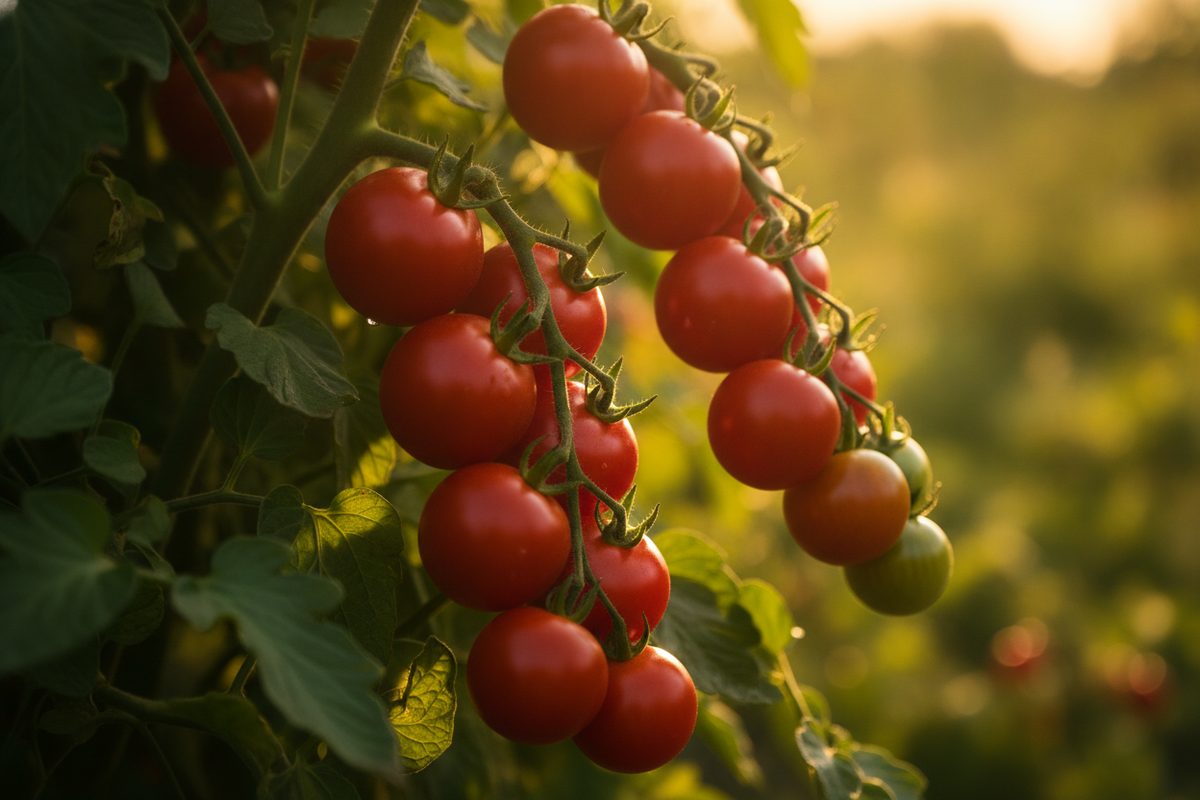
Indeterminate tomato varieties are natural climbers that can reach eight feet or more when given strong support and regular pruning. Train them up strings, stakes, or tall trellises for maximum production in minimum space. If you want to learn more about tomato growing, our tomato growing guide covers varieties, care, and harvesting in detail.
Compact Plants for Small Containers
For wall planters, gutters, and tower systems, choose compact plants that do not need deep soil. Lettuce, spinach, arugula, and other salad greens have shallow roots and grow quickly. Strawberries produce runners that cascade beautifully from elevated containers. Herbs like basil, parsley, cilantro, chives, and thyme are compact and productive in small spaces. For continuous indoor herb supply, see our guide to growing herbs indoors.
Ornamental Climbers
Vertical gardens are not limited to edibles. Morning glories, moonflower, sweet peas, clematis, climbing roses, and jasmine add beauty and fragrance to trellises and arches. Many flowering vines attract pollinators, which benefits your edible plants as well. Our guide on creating a pollinator-friendly garden has more ideas for attracting beneficial insects.
Training Techniques
Getting plants to grow vertically requires gentle guidance, especially in the early stages. Most climbing plants will eventually find their own way up a support, but a little human help speeds the process and ensures even coverage.
For tomatoes and other plants that do not have tendrils, use soft plant ties, cloth strips, or velcro garden tape to loosely attach the main stem to the support structure. Check ties every week and adjust them as the stem thickens. Do not tie too tightly, as this can constrict growth and damage the stem.
For vining plants like cucumbers, peas, and beans, which climb using tendrils, simply guide the young vines toward the support. Once they make contact, they will grab on and climb on their own. If a vine wanders in the wrong direction, gently redirect it and loosely secure it with a twist tie until it attaches itself.
Pruning is an important part of vertical growing. Remove suckers from indeterminate tomatoes to direct energy into a single main stem. Pinch the growing tips of vining plants when they reach the top of their support to prevent them from sprawling over the top and shading everything below. Regular harvesting of beans, cucumbers, and peas encourages continued production throughout the season.
Watering Vertical Gardens
Vertical gardens dry out faster than in-ground gardens because they are exposed to more wind, sun, and air movement. Containers mounted on walls and fences, in particular, can dry out very quickly during hot weather. Proper watering is critical to success.
Drip irrigation is the most efficient solution for vertical gardens. Run a main line along the top of your wall planter or trellis system and connect small drip emitters or micro-sprayers to each planting pocket or container. Set the system on a timer to water briefly but frequently, two to three times per day during hot weather. This prevents both underwatering and the runoff that occurs when you try to pour water into small containers too quickly.
Self-watering containers, which include a built-in water reservoir at the bottom, dramatically reduce watering frequency for tower gardens and individual wall-mounted pots. The reservoir provides a constant supply of moisture to the roots through capillary action, and you only need to refill it every few days depending on weather conditions.
Mulching the surface of containers reduces evaporation. A half-inch layer of small bark chips, shredded leaves, or even decorative pebbles on top of the soil in each pot keeps moisture in and reduces how often you need to water. For more on efficient watering strategies, explore our guide on efficient watering techniques.
Structural Considerations
Before mounting planters on a wall or fence, consider the weight involved. Wet soil is heavy. A single large wall-mounted planter filled with moist potting mix can weigh 30 to 50 pounds. Mount hardware must be rated for the load and anchored into wall studs, masonry, or a solid fence structure. Drywall anchors alone are not sufficient for heavy planters.
Freestanding vertical structures like trellises and tower gardens need stable bases to prevent tipping in wind. Anchor tall trellises to the ground with stakes or guy wires. Place tower gardens on level surfaces and, if possible, secure them to an adjacent structure. Weighted bases or ground anchors prevent disasters during storms.
Getting Started This Season
You do not need to overhaul your entire garden to start growing vertically. Begin with one simple project. Install a trellis behind your tomato plants. Hang three baskets of trailing strawberries on your porch. Lean a pallet against the south-facing wall of your garage and plant it with herbs. Start small, see what works, and expand from there.
The beauty of vertical gardening is that it scales. One trellis becomes five. A single gutter planter becomes an entire wall of food. Before long, you will be growing more food in your small space than many gardeners produce in full-sized yards. That is the power of thinking upward. For more ideas on getting the most from limited garden space, check our guide on starting a vegetable garden from scratch.
Frequently Asked Questions
What is the easiest vertical garden system for beginners?
A simple trellis behind existing plants is the easiest entry point. Buy or build a basic lattice panel (four by six feet), place it behind your beans, cucumbers, or tomatoes, and let the plants climb. It requires no special tools, minimal investment, and produces immediate results. Once you are comfortable with that, try a pallet garden or a set of gutter planters for your next project.
Can I grow vertical gardens on a balcony?
Balconies are ideal for vertical gardening. Use railing-mounted planters, hanging baskets, and freestanding tower gardens to maximize your limited space. Just be mindful of weight limits and ensure your containers have adequate drainage so water does not drip onto neighbors below. Self-watering containers reduce the frequency of watering, which is especially convenient for balcony gardens.
How do I water plants high up on a wall?
Drip irrigation connected to a timer is the most practical solution. Run tubing along the top of your wall planter system and let gravity deliver water to each level. For a few containers, a watering wand attached to your hose extends your reach. Self-watering wall planters with built-in reservoirs reduce watering to once every few days. In all cases, check moisture levels regularly during hot weather.
Will a vertical garden damage my fence or wall?
It can if not done properly. Moisture trapped behind planters can cause wood rot, mold, or paint damage. To prevent this, use spacers or standoff brackets that create a gap between the planter and the wall, allowing air to circulate. Apply a waterproof membrane or sheet of plastic behind the planter to protect the wall surface. On painted surfaces, use mounting hardware designed for easy removal rather than permanent screws.
What vegetables should not be grown vertically?
Root vegetables like carrots, beets, radishes, and potatoes need loose, deep soil and are best grown in the ground or in deep containers rather than vertical wall systems. Large, heavy-fruited plants like full-size watermelons, large pumpkins, and winter squash are difficult to support vertically, though miniature varieties can be grown with careful sling support. Low-growing, spreading crops like sweet potatoes and sprawling squash also perform better at ground level unless you are willing to manage extensive vine training.