Introduction
Walk into any garden center and you will find an entire aisle dedicated to mulch. Red-dyed wood chips, black rubber mulch, cedar bark, cocoa hulls, pine straw, pea gravel, landscape fabric, shredded leaves, straw bales, and a dozen other options, all promising to transform your garden. The choices are overwhelming, and the marketing is designed to make you think more expensive means better. It does not.
The truth about mulch is that the best mulch for your garden depends entirely on where you are putting it, what you are growing, and what you need it to do. A mulch that is perfect for a vegetable bed might be terrible around a tree. A mulch that works beautifully in a flower border would be a disaster on a pathway. Matching the right mulch to the right garden area is one of those simple decisions that has outsized impact on plant health, water use, weed pressure, and your budget.
This guide breaks down every common garden area and recommends the best mulch for each one, with honest cost comparisons, lifespan expectations, and practical advice that goes beyond the marketing claims. By the end, you will be able to walk into that garden center aisle with confidence, knowing exactly what to buy and what to skip.
Why Mulch Matters More Than You Think
Before diving into specific mulch types, it is worth understanding why mulching is one of the single most impactful things you can do for your garden. Mulch is not just cosmetic. It performs multiple critical functions simultaneously.
- Moisture retention: A two-to-four-inch layer of mulch reduces soil moisture evaporation by 25 to 50 percent, meaning you water less often and your plants stay hydrated longer during hot spells.
- Temperature regulation: Mulch insulates soil, keeping it cooler in summer and warmer in winter. This protects plant roots from temperature extremes and extends the growing season.
- Weed suppression: Mulch blocks sunlight from reaching weed seeds, preventing germination. A thick mulch layer can reduce weeding time by 50 to 75 percent.
- Soil improvement: Organic mulches decompose over time, adding organic matter to the soil, feeding earthworms and beneficial microorganisms, and improving soil structure.
- Erosion control: Mulch absorbs the impact of raindrops, preventing soil crusting and surface erosion, especially important on slopes and in heavy clay soils.
- Aesthetics: A well-mulched garden looks finished, intentional, and professional. It ties planting beds together and provides a clean backdrop for plants.
For a deeper dive into the science behind mulching, our guide on the benefits of mulching your garden covers the research and practical applications in detail.
Organic vs. Inorganic Mulch
The first major decision is whether to use organic or inorganic mulch. Both have legitimate uses, but they serve fundamentally different purposes.
Organic Mulches
Organic mulches are derived from plant or animal materials: wood chips, bark, straw, leaves, grass clippings, cocoa hulls, pine needles, and compost. They decompose over time, which is both their greatest strength and their primary limitation. As they break down, they add organic matter to the soil, feeding soil biology and improving structure. This decomposition means they need to be refreshed one to three times per year, depending on the material and your climate.
Organic mulches are the right choice for vegetable gardens, flower beds, perennial borders, and any area where soil improvement is a goal. They create the living, biologically active soil environment that plants thrive in. If you are building healthy soil through composting, organic mulch is a natural extension of that philosophy.
Inorganic Mulches
Inorganic mulches include gravel, crushed stone, river rock, rubber mulch, landscape fabric, and plastic sheeting. They do not decompose, which means they last indefinitely and never need replacing. However, they also do not improve the soil, can trap heat in summer (stressing plant roots), and can be difficult to remove if you change your mind. Inorganic mulches are best suited for pathways, driveways, around structures, and in areas where permanence and low maintenance are priorities.
Mulch Comparison Table
The table below compares the most common mulch types across the factors that matter most to gardeners.
| Mulch Type | Cost per Bag* | Lifespan | Best For | Avoid For | Notes |
|---|---|---|---|---|---|
| Shredded Hardwood Bark | $3–$5 | 6–12 months | Flower beds, pathways, foundation plantings | Vegetable beds (slow to decompose) | Matting tendency helps it stay in place; attractive dark color |
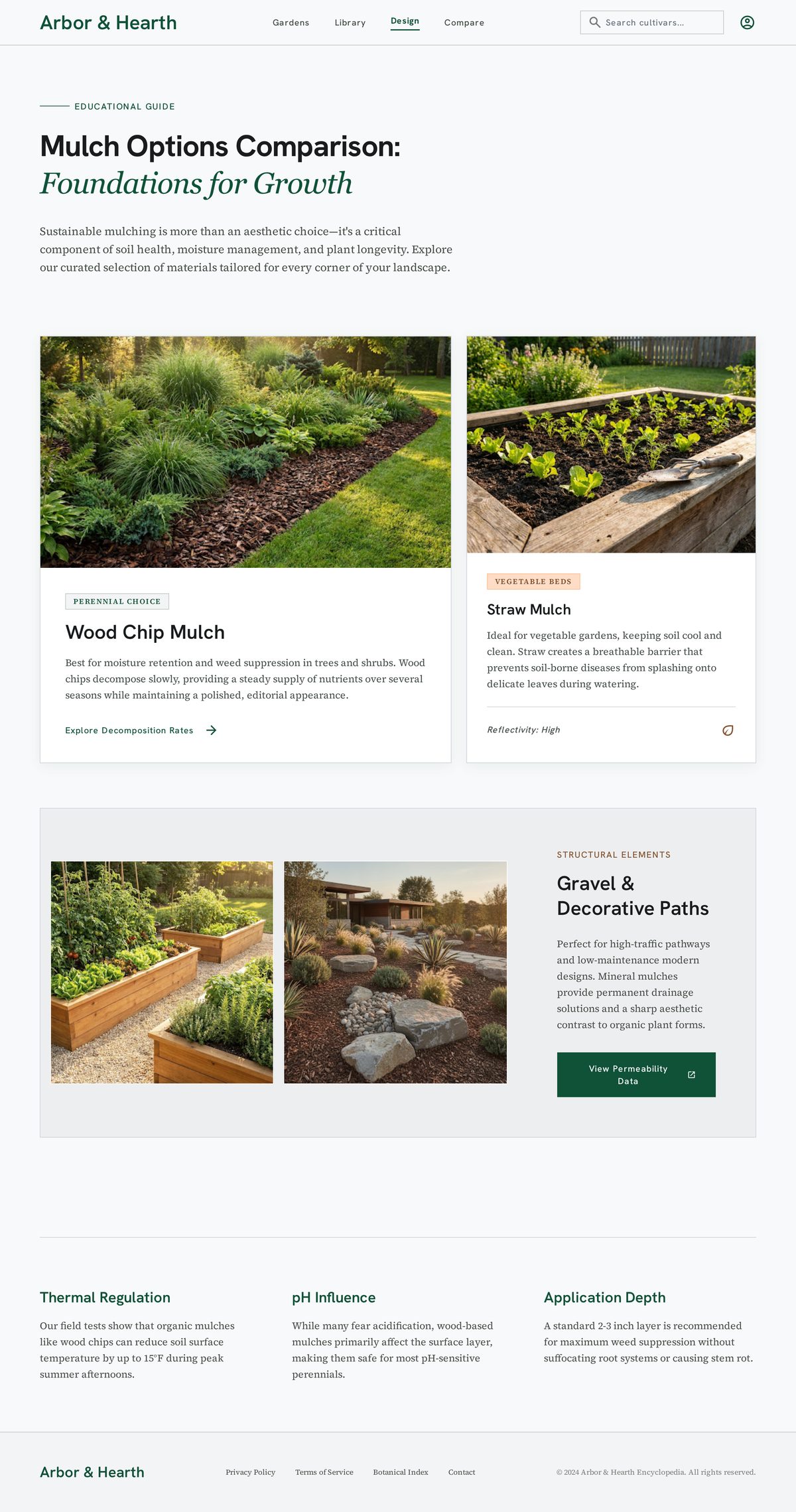
| Wood Chips (Arborist Chips) | Free–$3 | 1–3 years | Perennial beds, pathways, around trees, shrub borders | Annual vegetable beds (nitrogen tie-up at surface) | Often free from tree services; excellent for perennial landscapes |
| Straw | $5–$8 (per bale) | 3–6 months | Vegetable gardens, strawberry beds, overwintering beds | Formal flower beds (unruly appearance) | Use seed-free straw; breaks down quickly, adding organic matter |
| Pine Needles (Pine Straw) | $4–$7 | 6–12 months | Acid-loving plants (blueberries, azaleas, rhododendrons) | Vegetable beds (acidifying effect) | Attractive golden color; interlocks and stays put on slopes |
| Cocoa Hull Mulch | $8–$15 | 6–12 months | Flower beds, container gardens, formal beds | Homes with dogs (toxic to dogs if ingested) | Rich chocolate color; pleasant cocoa scent; expensive for large areas |
| Compost | $3–$6 | 3–6 months | Vegetable gardens, annual beds, top-dressing lawns | Pathways, areas needing weed suppression (insufficient depth) | Feeds soil directly; apply 1–2 inches; best as supplement to other mulch |
| Gravel/Pea Stone | $4–$8 | Permanent | Pathways, driveways, succulent gardens, around foundations | Vegetable beds, areas needing soil improvement | Heat-absorbing; place over landscape fabric; difficult to remove |
| River Rock | $6–$12 | Permanent | Dry creek beds, drainage areas, xeriscaping | Any planted bed; heavy and hard to work around | Decorative; place over fabric liner; expensive but permanent |
| Rubber Mulch | $8–$14 | 5–10 years | Playground areas (cushioning), non-plant areas | Any edible garden; contaminates soil; flammable | Does not decompose; can leach chemicals; not recommended for food gardens |
| Grass Clippings | Free | 1–3 months | Vegetable gardens, around heavy feeders like tomatoes and squash | Thick layers (mats and smells); formal beds | Apply thin layers (1–2") and let dry first; high nitrogen content |
| Shredded Leaves | Free | 3–6 months | Vegetable beds, perennial beds, woodland gardens | Windy areas (blows around); pathways (slippery when wet) | Shred with mower to prevent matting; excellent free resource |
*Prices reflect typical retail costs for a standard 2-cubic-foot bag. Bulk purchases are significantly cheaper.
Matching Mulch to Garden Areas
Now let us get specific. Each area of your garden has different requirements, and the wrong mulch choice creates problems rather than solving them.
Vegetable Beds
Vegetable gardens need mulch that decomposes relatively quickly, adds organic matter to the soil, and allows easy planting and harvesting. The best choices are straw, shredded leaves, grass clippings, and compost. Apply two to four inches around established plants, keeping mulch an inch or two away from plant stems to prevent moisture-related rot.
Straw is the classic vegetable garden mulch. It is inexpensive, easy to spread, breaks down over a single season, and adds carbon to the soil as it decomposes. It is particularly good for strawberries, potatoes, and squash. Make sure you use seed-free straw, not hay, which is full of weed seeds. Shredded leaves are another excellent free option: run over fallen leaves with a mower to shred them, then spread them between rows. They decompose over winter and can be tilled in before spring planting. Our guide on starting a vegetable garden covers mulching as part of the complete setup process.
Flower Borders
Flower beds benefit from mulch that looks attractive, suppresses weeds, and improves soil over time. Shredded hardwood bark is the most popular choice for ornamental beds: it has a clean, finished appearance, stays in place well, and comes in natural or dyed colors. Cedar and cypress bark are more expensive but last longer and have natural pest-repelling properties.
For a more natural look, wood chips from an arborist work beautifully and are often free. Cocoa hull mulch is a premium option with a rich chocolate color and pleasant scent, but it is expensive for large areas and is toxic to dogs. In perennial beds, where you are not disturbing the soil annually, a three-to-four-inch layer of wood chips or bark mulch applied once a year is sufficient. Apply in spring after the soil has warmed.
Pathways
Garden pathways need mulch that compacts into a firm, stable walking surface, suppresses weeds completely, and does not track into the house. Wood chips are the best organic option for pathways: they pack down into a firm surface, decompose slowly, and can be refreshed annually. For a more permanent solution, gravel or crushed stone over landscape fabric creates a pathway that never needs replacing.
Avoid straw, leaves, and grass clippings on pathways. They decompose too quickly, become slippery when wet, and blow around. Rubber mulch might seem like a good pathway option, but it gets extremely hot in summer, has a strong odor, and can leach chemicals into surrounding soil. Gravel pathways work especially well in edible landscapes where they provide clean access between beds without contaminating growing areas.
Around Trees and Shrubs
Trees and shrubs benefit from a wide mulch ring that extends to at least the drip line (the outer edge of the canopy). Wood chips or shredded bark are ideal: they decompose slowly, do not need frequent refreshing, and improve soil in the root zone over time. Apply three to four inches deep, but keep mulch six inches away from the trunk to prevent moisture buildup against the bark, which invites rot, insects, and disease.
The practice of piling mulch into a "volcano" around tree trunks is extremely harmful. It holds moisture against the bark, promotes girdling roots, and can ultimately kill the tree. A flat, wide mulch ring is the correct approach. This is one of the most common and most damaging mistakes in landscaping, and avoiding it is as simple as keeping mulch away from the trunk.
Containers
Container plants dry out faster than in-ground plants, making mulch especially valuable for pots and planters. A one-to-two-inch layer of compost, cocoa hull mulch, or fine bark on top of container soil reduces evaporation, regulates soil temperature, and gives containers a finished look. For edible containers, stick with compost or untreated fine bark. For ornamental containers, any decorative mulch works well.
Gravel mulch is useful in containers growing succulents or cacti, where soil needs to stay dry on the surface. A layer of pea gravel or decorative stone also adds weight to the pot, which can prevent toppling in wind. Our guide on growing herbs indoors covers mulching for indoor container gardens.
Regional Considerations
Your climate affects which mulch works best in your garden.
Hot, Dry Climates
In hot, dry regions, mulch is essential for moisture conservation. Organic mulches like straw, wood chips, and shredded bark reduce soil temperature by 10 to 20 degrees Fahrenheit compared to bare soil. This temperature reduction alone can be the difference between plant survival and failure during heat waves. Avoid dark-colored mulches in extremely hot climates, as they absorb heat. Light-colored straw or natural wood chips reflect more sunlight and keep the soil cooler. Combine mulching with drip irrigation for maximum water efficiency.
Wet, Humid Climates
In consistently wet climates, mulch can hold too much moisture against plant stems, promoting fungal diseases and rot. Use thinner layers (two inches rather than four) and keep mulch well away from stems. Pine bark and pine straw resist decomposition in wet conditions better than hardwood alternatives. In areas with heavy rainfall, gravel mulch in pathways prevents mud and erosion better than organic options.
Cold Northern Climates
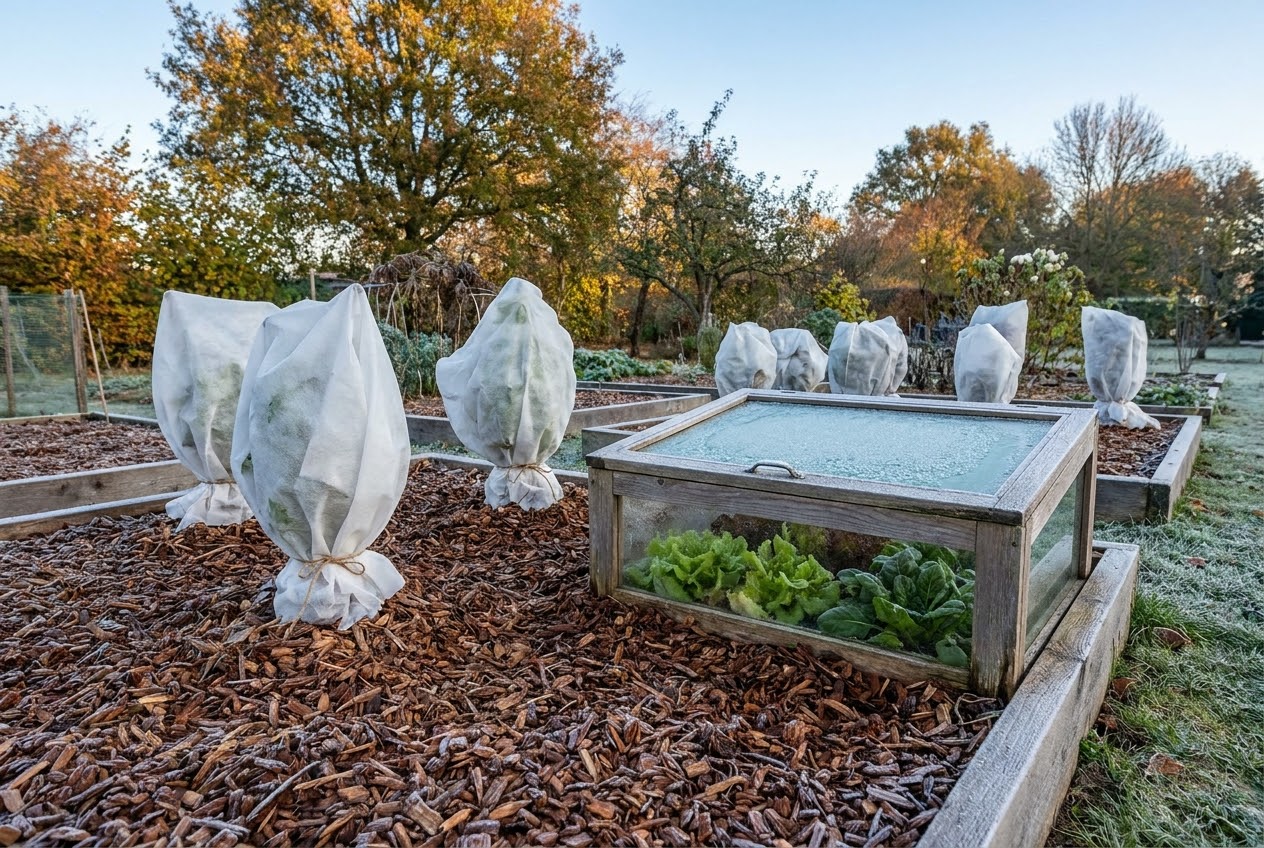
In cold regions, mulch serves double duty as winter insulation. Apply a thick layer (four to six inches) of straw or shredded leaves over perennial beds after the ground has frozen to prevent frost heaving, which occurs when freeze-thaw cycles push plants out of the soil. This winter mulch should be pulled back in spring to allow the soil to warm. Evergreen boughs laid over beds also provide excellent winter protection and can be removed easily in spring.
Coastal and Windy Areas
Wind blows lightweight mulches like straw, leaves, and grass clippings around. In windy areas, heavier mulches like wood chips, bark, or gravel stay in place better. Shredded hardwood bark, which interlocks as it settles, is particularly wind-resistant. Pine straw also does well on slopes and in moderate wind because the needles tangle together. For extremely windy sites, consider using landscape fabric under gravel as a permanent, no-blow solution.
Common Mulching Mistakes
Avoid these errors to get the most benefit from your mulch investment.
- Mulch too deep. More is not better. Mulch deeper than four inches can suffocate roots, prevent water from reaching the soil, and create a habitat for rodents. Two to four inches is the sweet spot for most applications.
- Mulch against stems and trunks. Always leave a two-to-three-inch gap around plant stems and a six-inch gap around tree trunks. Mulch piled against plant tissue holds moisture and promotes rot and disease.
- Using dyed mulch near edibles. Colored mulches use dyes that may contain chemicals you do not want near food plants. Use natural, undyed mulch in vegetable gardens and around fruit trees.
- Ignoring nitrogen tie-up. Fresh wood chips and sawdust can temporarily rob nitrogen from the soil as they decompose. This effect is minimal at the soil surface (where mulch sits) but can be significant if fresh wood chips are tilled into the soil. Use well-aged wood chips or compensate with a nitrogen supplement if needed.
- Not refreshing mulch. Organic mulch decomposes. If you do not replenish it, bare spots appear, weeds emerge, and moisture retention drops. Check mulch depth every few months and top up as needed.
- Mulching over wet soil. Apply mulch to moist but not saturated soil. Mulching over waterlogged soil traps excess moisture and can promote root rot. Let the soil drain to a workable moisture level first.
Cost-Saving Mulch Strategies
Mulching a large garden can get expensive. Here are practical ways to reduce costs without sacrificing quality.
- Free arborist chips. Many tree care services will dump a load of wood chips for free if you are on their delivery route. Services like ChipDrop connect gardeners with local arborists who need to dispose of chips. The quality varies, but the price is right.
- Shred your own leaves. Instead of bagging fallen leaves for disposal, run over them with a mower and spread them as mulch. A mature tree produces hundreds of pounds of leaf mulch annually, more than enough for a typical garden.
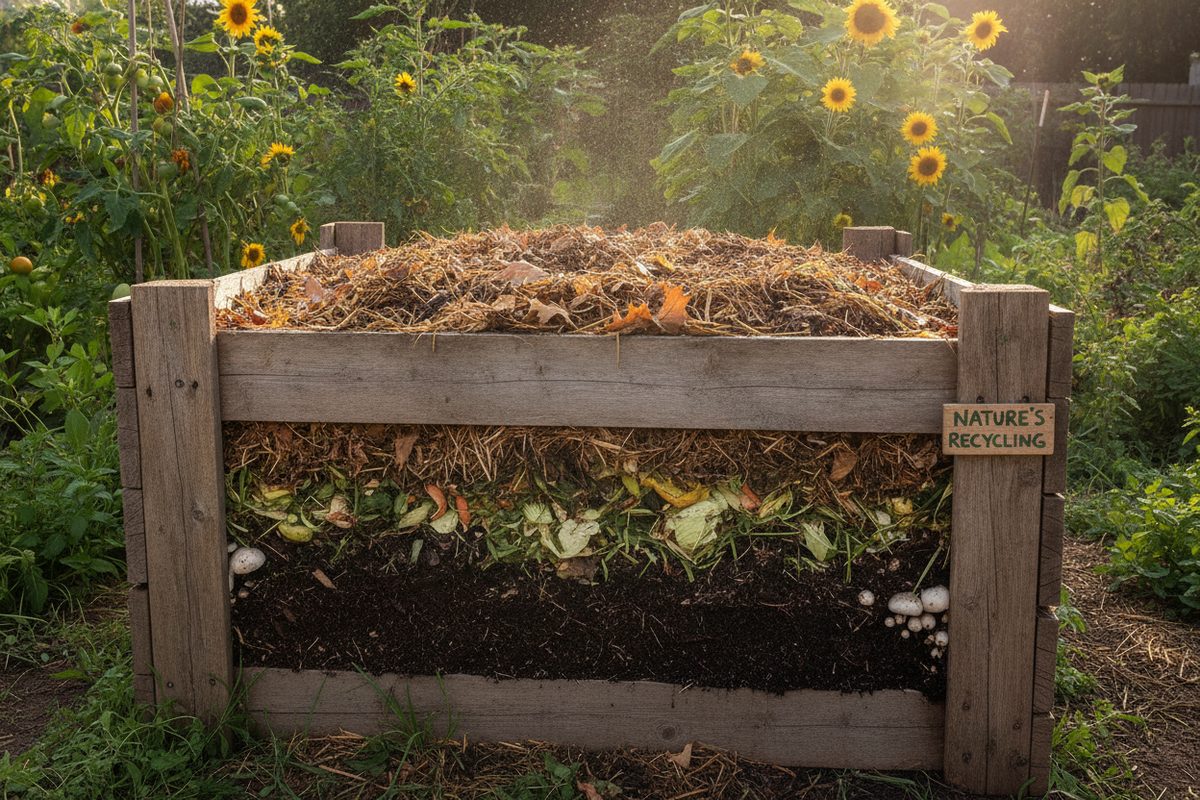
- Make your own compost. Compost is the highest-quality mulch for vegetable gardens, and it is free if you make it yourself from kitchen scraps and yard waste. Our composting guide covers several methods from simple piles to tumbler systems.
- Buy in bulk. Bagged mulch costs two to three times more per cubic yard than bulk mulch delivered by the truckload. If you need more than 10 bags, price bulk delivery instead.
- Layer strategy. Use expensive mulch (cocoa hull, dyed bark) only in visible front-yard beds where aesthetics matter. Use cheaper mulch (wood chips, straw, leaves) in backyard vegetable beds and utility areas where appearance is secondary to function.
When to Refresh Your Mulch
Organic mulch needs regular replenishment. Here is a seasonal schedule.
- Spring: Check all mulched areas after winter. Pull back winter mulch from perennial beds to allow soil warming. Add a fresh one-to-two-inch layer of mulch to vegetable beds before planting. Top up pathways and ornamental beds that have thinned over winter.
- Summer: Monitor mulch depth during peak growing season. Mulch in vegetable beds and containers may need a mid-summer top-up, especially in hot climates where decomposition and evaporation are rapid.
- Fall: This is the primary mulching season for many gardeners. Apply a fresh three-to-four-inch layer of wood chips or bark to perennial beds and around trees. Use shredded leaves as a free mulch for vegetable beds being put to rest for winter.
- Winter: In cold climates, add extra mulch over perennial beds after the ground freezes to prevent frost heaving. Evergreen boughs, straw, or extra-shredded leaves work well for this purpose.
For more on seasonal garden care, our guide on winter garden preparation covers mulching as part of a complete winter protection strategy.
Getting Started: A Practical Mulching Plan
If you are starting from scratch, here is how to prioritize your mulching budget and effort.
- Start with vegetable beds. The productivity gains from mulching your food garden are immediate and substantial. Use straw, shredded leaves, or grass clippings, all free or nearly free.
- Mulch around trees and shrubs. A wide ring of wood chips protects your most valuable plants and reduces watering needs. This is a once-a-year task that pays dividends for decades.
- Address pathways. Wood chips or gravel pathways prevent mud, reduce weeds, and make garden maintenance easier.
- Finish with ornamental beds. Once the functional areas are mulched, add a decorative layer of bark or hardwood mulch to flower beds and foundation plantings for a polished look.
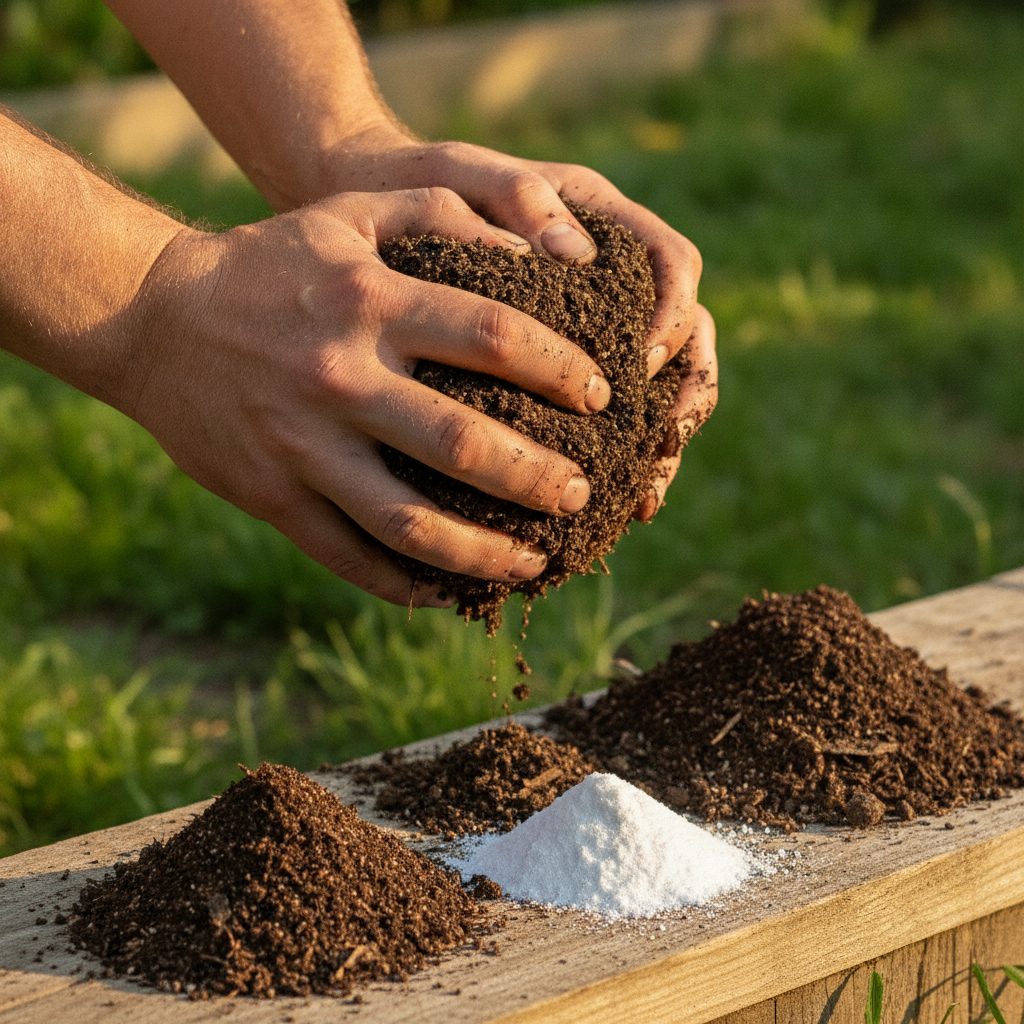
Combined with healthy soil from proper soil amendment and efficient watering through smart watering techniques, a good mulching program is the third pillar of a low-maintenance, high-production garden.
Frequently Asked Questions
Is dyed mulch safe for vegetable gardens?
The dyes used in colored mulches are generally considered non-toxic (they are typically iron oxide-based for red or carbon-based for black), but most organic gardening experts recommend using natural, undyed mulch around food plants as a precaution. The wood in dyed mulch may also come from recycled construction debris, which can contain contaminants. For vegetable gardens, stick with straw, untreated wood chips, shredded leaves, or compost.
How thick should I apply mulch?
Two to four inches is the ideal range for most garden applications. Two inches is sufficient for fine mulches like compost and shredded leaves in vegetable beds. Three to four inches is better for coarser mulches like wood chips and bark in perennial beds. Never exceed four inches, as excessively deep mulch can suffocate roots, prevent water penetration, and create habitat for rodents.
Can I put new mulch on top of old mulch?
Yes, if the old mulch has partially decomposed and thinned. Simply add a fresh layer on top to restore the desired depth. If the old mulch has formed a dense, matted crust, break it up with a rake first to allow water to penetrate. If the old mulch is still in good condition, you may only need to add a thin top-up rather than a full replacement.
Does mulch attract termites?
Wood-based mulch does not attract termites to your property. Termites are already in the soil and are attracted to wood that is in contact with the ground for extended periods. The key prevention measure is keeping mulch at least six inches away from your home's foundation and any wooden structures. Rubber mulch does not attract termites, but it has other drawbacks (heat retention, chemical leaching) that make it a poor choice for planted beds.
What is the best mulch for raised beds?
Straw, shredded leaves, and compost are the best mulches for raised bed vegetable gardens. They decompose quickly enough to add organic matter each season, they are easy to work around when planting and harvesting, and they are inexpensive. Apply two to three inches around established plants. For raised beds with perennial plantings, wood chips or bark mulch work well. Our raised bed guide covers mulching as part of ongoing bed maintenance.
Conclusion
Mulch is the simplest, cheapest, and most effective thing you can add to your garden after the plants themselves. It saves water, suppresses weeds, regulates soil temperature, prevents erosion, and improves soil health over time. The key is matching the right mulch to the right area: organic mulches for planted beds where soil improvement matters, inorganic mulches for pathways and permanent features where durability is the priority.
Start with what you have. Shred your fall leaves. Call a local tree service for free wood chips. Buy a bale of straw for your vegetable beds. You do not need the most expensive mulch from the garden center to get excellent results. The best mulch is the one you actually use, applied consistently, at the right depth, in the right place. Your soil, your plants, and your water bill will all thank you.
Pair your mulching strategy with good soil preparation through composting, efficient watering with drip irrigation, and thoughtful pest management, and you will have a garden that practically takes care of itself. That is the beauty of getting the fundamentals right.