Introduction
Shady spots in the garden are often misunderstood. While full sun is ideal for vegetables, many beautiful plants actually prefer lower light. A well-designed shade garden can be lush, layered, and full of texture, color, and seasonal interest. The trick is choosing plants suited to your specific shade conditions.
Understanding Shade Levels
Shade is not one-size-fits-all. Partial shade means three to six hours of direct sun, often in the morning. Full shade means less than three hours of direct sun or bright indirect light all day. Deep shade is found under dense evergreens and is the most challenging to plant.
Top Perennials for Shade
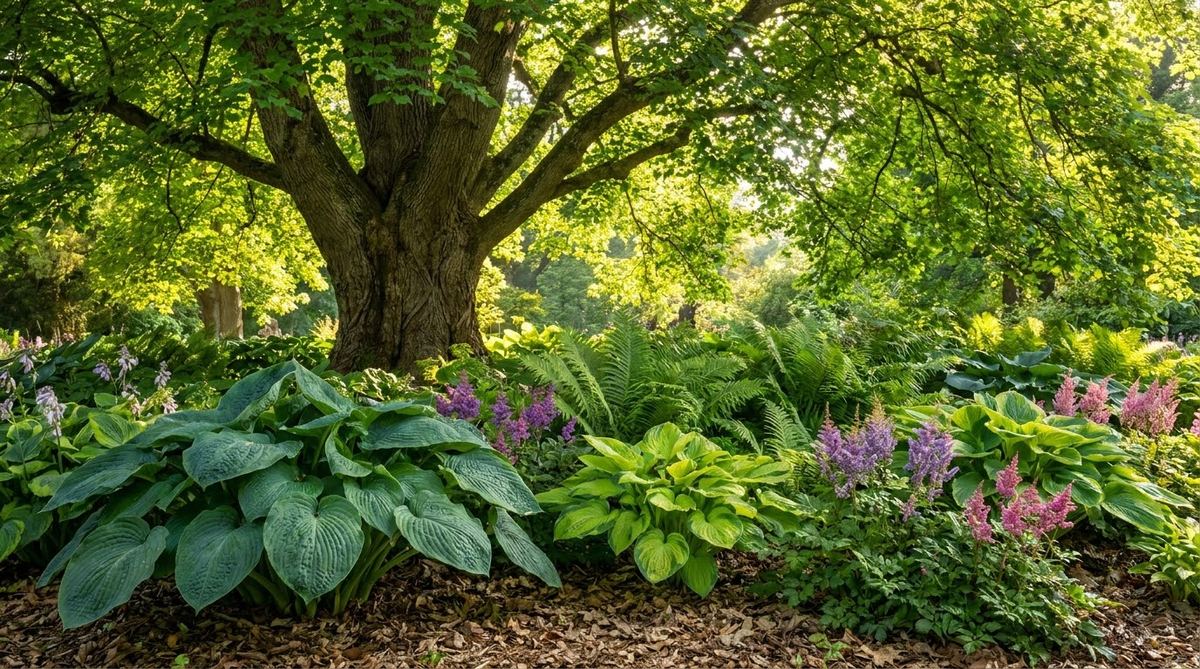
Hostas are the classic shade perennial, with endless variations in size and leaf color. Astilbe adds feathery plumes of pink, red, or white flowers. Ferns bring delicate texture, while bleeding hearts and Solomon's seal provide graceful spring blooms. Heuchera offers colorful foliage that brightens dark corners.
Shrubs and Ferns for Shade
Shrubs like hydrangeas, viburnums, and rhododendrons thrive in partial shade. Japanese maple provides stunning foliage. Ferns such as ostrich fern, Japanese painted fern, and lady fern create woodland atmosphere and pair beautifully with flowering plants.
Vegetables and Herbs That Tolerate Shade
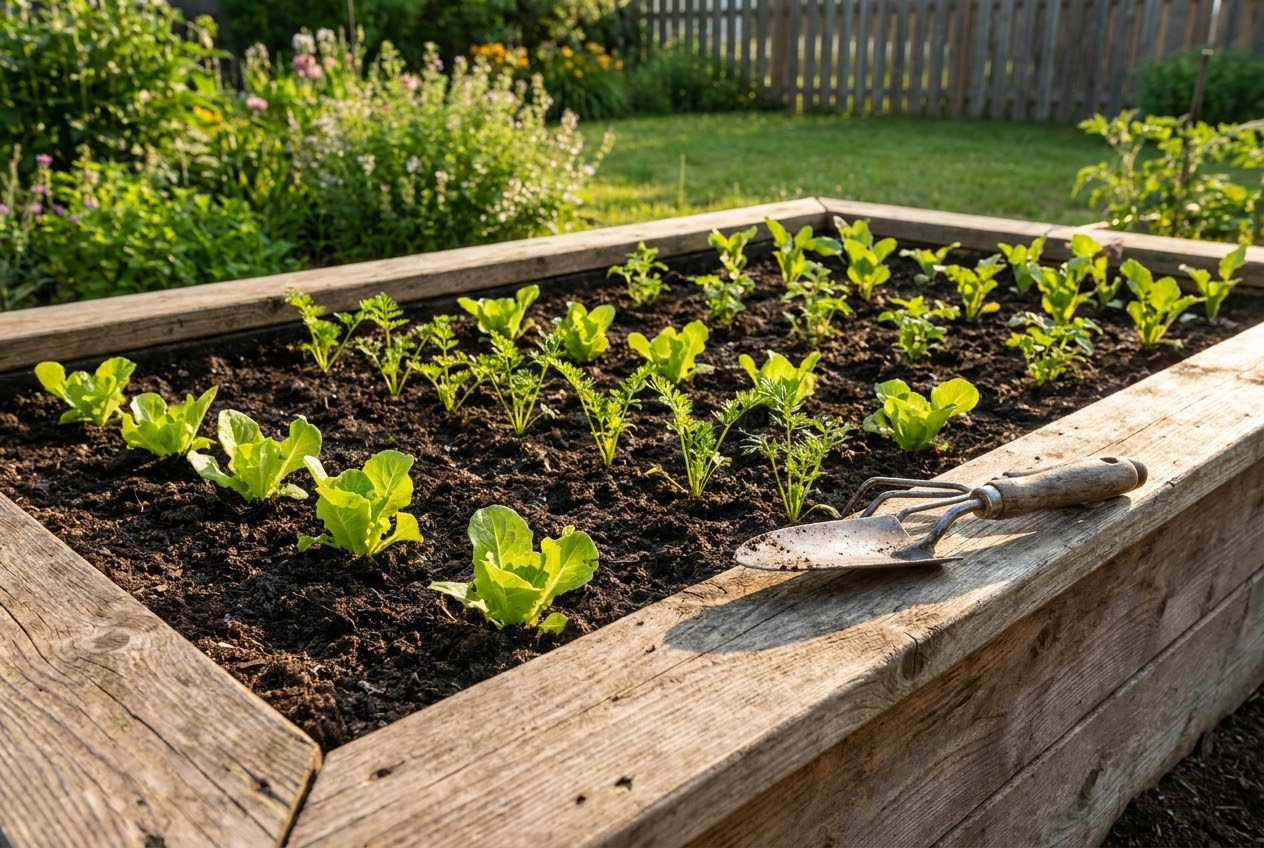
Leafy greens including lettuce, spinach, arugula, and Swiss chard grow well in partial shade. Root vegetables like carrots, beets, and radishes can also succeed. Herbs such as mint, parsley, chives, and lemon balm tolerate lower light better than sun-loving basil and rosemary.
Designing a Shade Garden
Create layers with tall shrubs in the back, medium perennials in the middle, and groundcovers in front. Use foliage color and texture to add interest since flowers may be less abundant. Add paths, benches, or a water feature to make the shady space feel like a peaceful retreat.
Emma Richardson
Emma Richardson is a passionate home gardener and sustainability advocate with over a decade of hands-in-the-soil experience. She writes practical guides to help people grow their own food and live more sustainably, no matter their experience level or available space.
View all articles →Related Articles