Introduction
A balcony may be small, but it can become a vibrant outdoor retreat or a productive food garden. The key is using vertical space, choosing the right containers, and selecting plants suited to your light conditions. Whether you have a tiny apartment railing or a spacious terrace, balcony gardening lets you connect with nature without leaving home.
Assessing Your Balcony Space
Before buying plants, observe how much sun your balcony receives. South-facing balconies get the most light, while north-facing ones stay shaded. Wind exposure, building shadows, and temperature extremes also affect plant choices. Measure your space and note weight limits if you live in an apartment.
Vertical and Railing Solutions
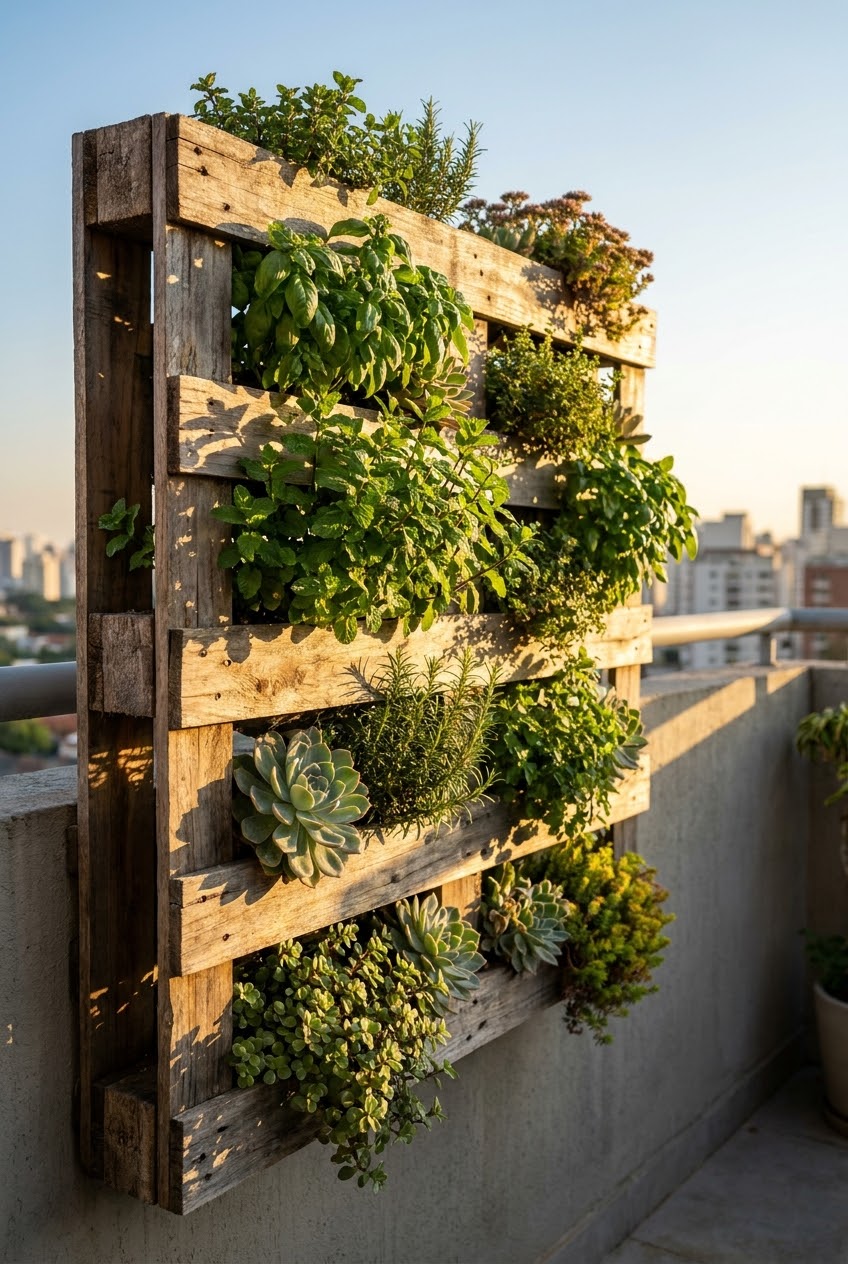
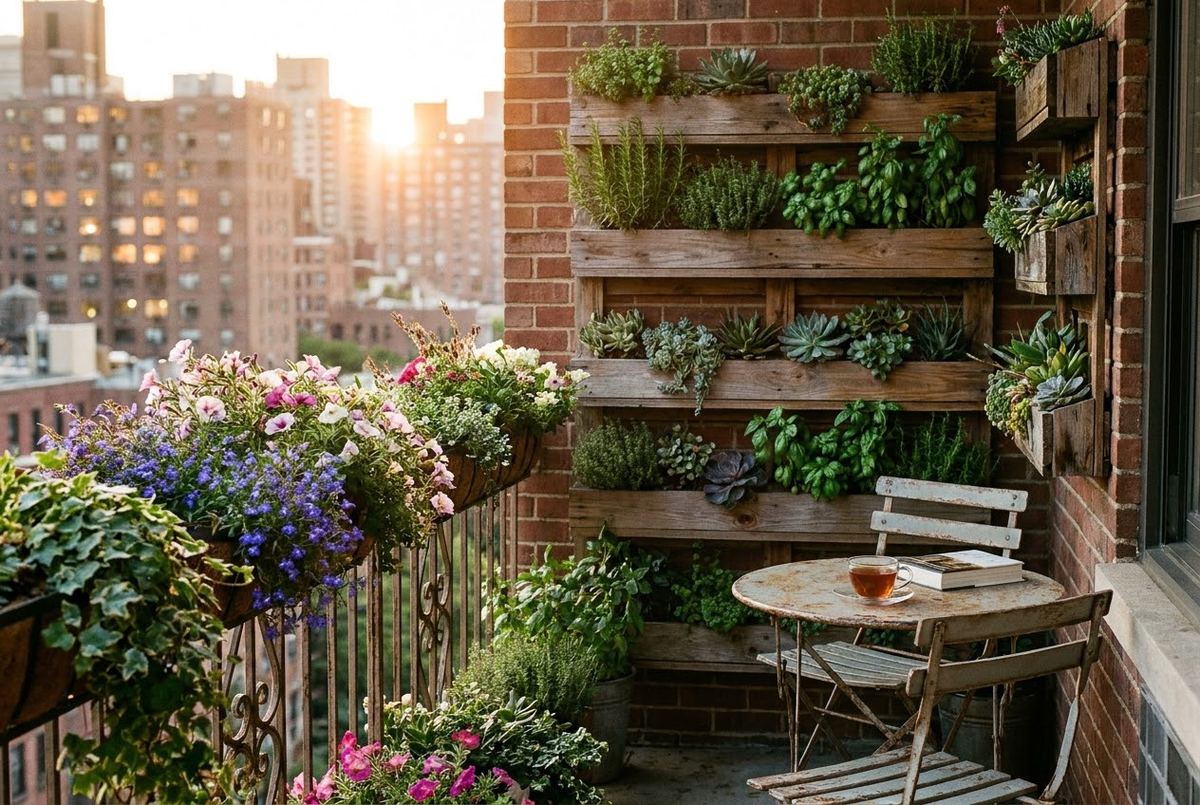
Vertical gardening multiplies your growing area. Use wall planters, hanging baskets, tiered plant stands, and railing boxes. Trellises attached to walls can support climbing beans, peas, or flowering vines. Ensure all hanging planters are securely fastened to withstand wind.
Best Plants for Balcony Gardens
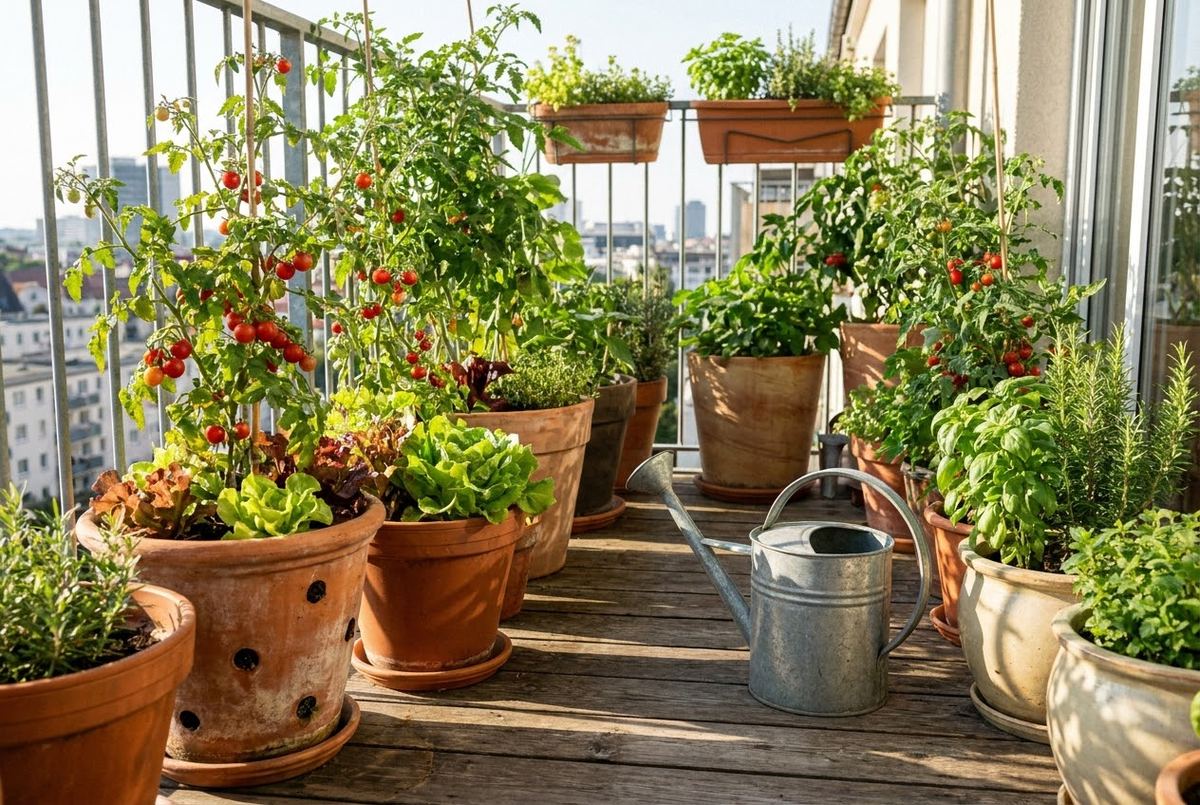
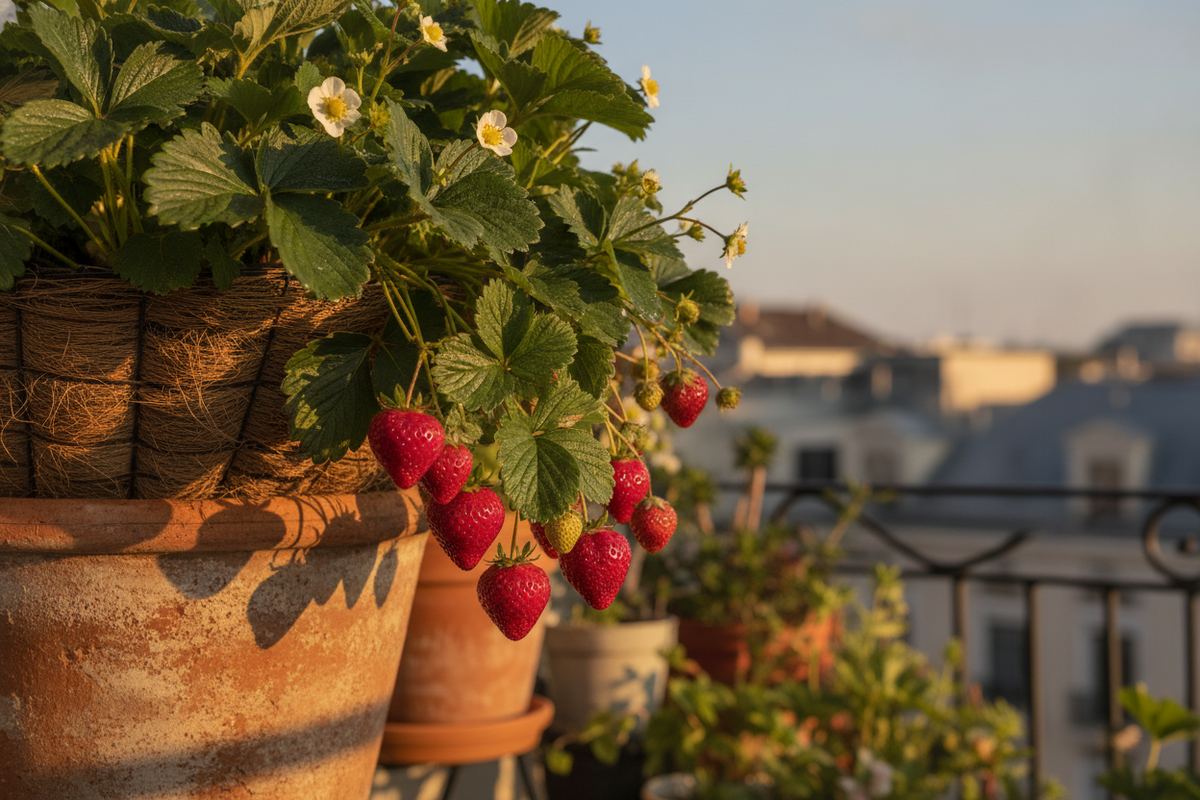
For sunny balconies, grow cherry tomatoes, peppers, herbs, strawberries, and trailing flowers like petunias. Shaded balconies suit ferns, hostas, impatiens, and leafy greens. Compact varieties and dwarf cultivars are usually the best choice for containers.
Design and Layout Tips
Place taller plants at the back and trailing plants at the front. Group plants with similar water and light needs. Use a mix of foliage textures and flower colors for visual interest. Add a small chair or lantern to make the space feel inviting.
Safety and Building Considerations
Weight is the biggest safety concern on balconies. Soil and water are heavy, so use lightweight containers when possible and distribute weight evenly. Check with your landlord or building manager about balcony gardening rules. Secure anything that could blow over in strong winds.
Emma Richardson
Emma Richardson is a passionate home gardener and sustainability advocate with over a decade of hands-in-the-soil experience. She writes practical guides to help people grow their own food and live more sustainably, no matter their experience level or available space.
View all articles →Related Articles