Why Choose Natural Pest Control
Every gardener eventually faces the same frustrating moment: you walk out to check on your thriving vegetable patch, only to discover that insects have been feasting on your hard work overnight. Leaves are riddled with holes, stems are covered in tiny bugs, and what was once a promising row of lettuce looks like Swiss cheese. Your first instinct might be to reach for a chemical spray, but before you do, consider that natural pest control methods are not only safer for your family and the environment but often more effective in the long run.
Chemical pesticides create a cycle of dependency. They kill indiscriminately, wiping out beneficial insects alongside the pests. Once the beneficial predators are gone, pest populations often rebound faster than before, requiring even more chemical intervention. This phenomenon, sometimes called the "pesticide treadmill," leaves you spending more money, doing more work, and ultimately harming the ecosystem you depend on for healthy food production.
Natural pest control takes a different approach. Instead of waging war against nature, it works with natural systems to maintain balance. When you use methods like companion planting, encourage beneficial insects, and apply organic sprays, you are building a resilient garden ecosystem that regulates itself over time. The initial effort might be slightly higher, but the long-term rewards are substantial: healthier soil, safer produce, lower costs, and a garden that practically takes care of itself.
Another compelling reason to go natural is the safety factor. If you have children, pets, or simply want to eat the food you grow without worrying about chemical residues, organic methods are the clear winner. According to the Environmental Protection Agency, even approved pesticides can pose risks through prolonged exposure. Natural methods eliminate that concern entirely, giving you peace of mind every time you harvest.
Identifying Common Garden Pests
Before you can control a pest, you need to know exactly what you are dealing with. Misidentifying a pest can lead to wasted effort or, worse, killing a beneficial insect. Here are the most common garden pests you are likely to encounter and how to recognize them.
Aphids
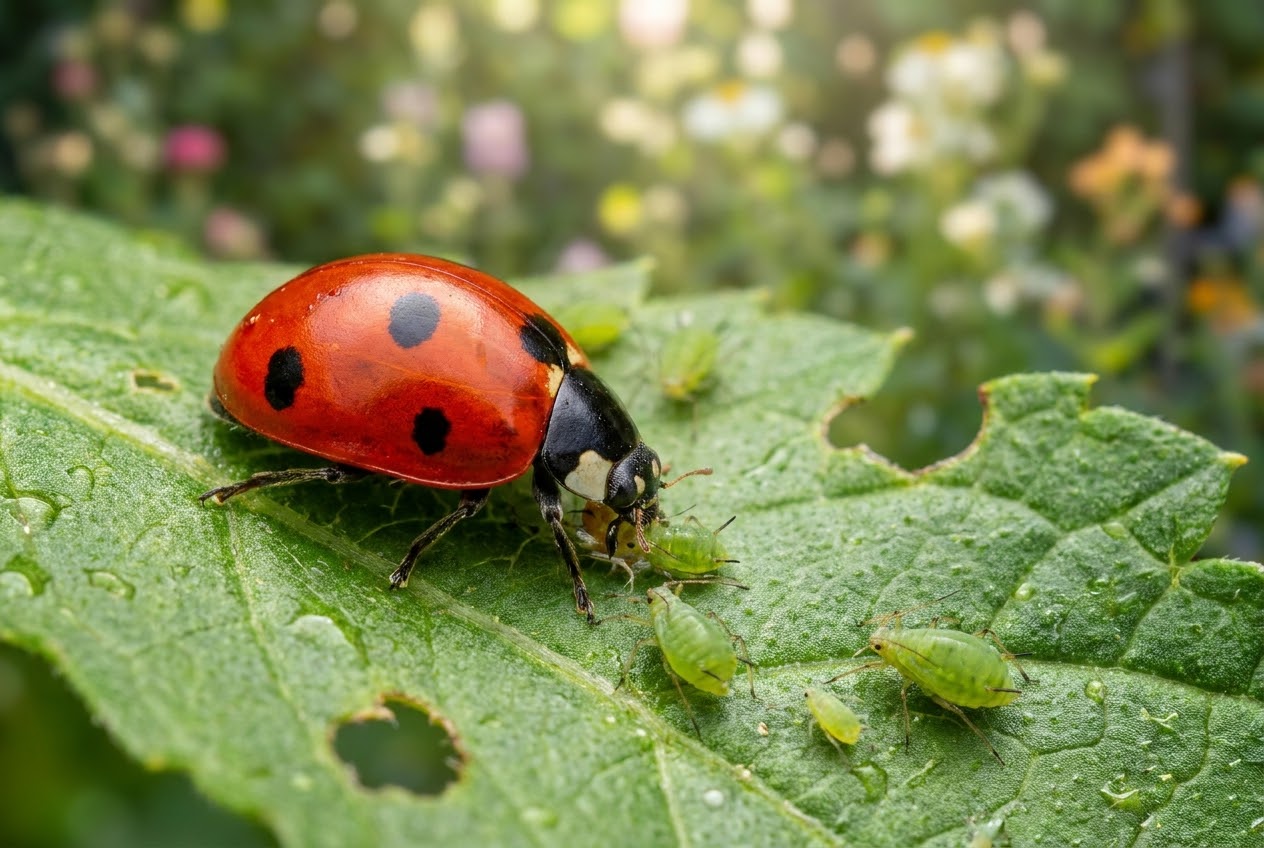
Aphids are tiny, soft-bodied insects that come in green, black, yellow, pink, or brown. They cluster on the undersides of leaves and along tender new growth, sucking plant sap and causing leaves to curl, yellow, and become distorted. They also excrete a sticky substance called honeydew, which attracts ants and promotes sooty mold growth. A small infestation is usually harmless, but aphids reproduce rapidly and can quickly overwhelm a plant.
Slugs and Snails
Slugs and snails are most active at night and during cool, damp weather. They leave irregular holes in leaves and slimy silver trails across garden surfaces. They particularly love tender seedlings, lettuce, strawberries, and hostas. If you notice large chunks missing from low-growing plants or seedlings that have been mowed down overnight, slugs are the most likely culprits.
Caterpillars
Caterpillars are the larvae of moths and butterflies. While some, like monarch butterfly caterpillars, are welcome garden guests, others can devastate crops. Cabbage worms (green caterpillars from white cabbage butterflies) skeletonize brassica leaves, while tomato hornworms can strip a tomato plant bare in days. Caterpillars are usually easy to spot if you inspect your plants regularly, and their droppings (called frass) are a telltale sign of their presence.
Beetles
Several beetle species plague gardeners. Japanese beetles chew flowers and skeletonize leaves, leaving behind a lacy pattern. Colorado potato beetles strip potato, eggplant, and tomato plants of their foliage. Cucumber beetles attack squash, melons, and cucumbers, and can transmit bacterial wilt. Identifying the specific beetle is important because control methods vary between species.
Whiteflies
Whiteflies are tiny white flying insects that congregate on the undersides of leaves. When you disturb an infested plant, you will see a cloud of small white insects rise into the air. Like aphids, they suck sap and produce honeydew. They are particularly problematic in greenhouses and on tomatoes, peppers, and brassicas.
Spider Mites
Spider mites are arachnids, not insects, and they are incredibly tiny. You might first notice fine webbing on the undersides of leaves, or a stippled, bronzed appearance on leaf surfaces. They thrive in hot, dry conditions and can multiply explosively. Check for them by holding a white piece of paper under a leaf and tapping it. Tiny specks that start moving are mites.
Companion Planting: Nature's Pest Repellent
Companion planting is one of the oldest and most effective natural pest control strategies. The concept is simple: certain plants emit scents or produce compounds that repel specific pests, while others attract beneficial insects or serve as trap crops that lure pests away from your main harvest.
How Companion Planting Works
Plants communicate through chemical signals. When you plant aromatic herbs like basil near tomatoes, the strong essential oils confuse pests that locate their food by scent. Some plants produce root exudates that repel soil-dwelling pests, while others attract predators that feed on common garden pests. This creates a layered defense system that mimics the biodiversity found in natural ecosystems.
Best Companion Planting Combinations
The classic combination of tomatoes and basil is more than a culinary pairing. Basil repels aphids, whiteflies, and tomato hornworms, while tomatoes provide light shade that helps basil thrive in hot weather. Marigolds are another powerhouse companion. French marigolds release a substance called alpha-terthienyl from their roots that repels root-knot nematodes, microscopic worms that attack plant roots. Planting marigolds throughout your vegetable beds as borders and interplants provides continuous protection.
Nasturtiums serve as excellent trap crops for aphids. Plant them near your brassicas or beans, and aphids will preferentially colonize the nasturtiums, leaving your food crops alone. Nasturtiums also attract predatory insects like hoverflies, whose larvae devour aphids. Nasturtium flowers and leaves are edible, so you get a bonus salad ingredient as well.
Alliums, including garlic, onions, and chives, are natural repellents for a wide range of pests including aphids, Japanese beetles, and carrot flies. Interplanting garlic with roses is a time-tested technique, and the same principle works in vegetable gardens. Plant garlic around the perimeter of beds or interspersed among vulnerable crops for ongoing protection.
For squash bugs and cucumber beetles, consider interplanting radishes, nasturtiums, or tansy near your cucurbits. Dill and fennel attract parasitic wasps and predatory insects that help control caterpillar populations. Herbs like rosemary, sage, and thyme planted near cabbage-family crops can confuse cabbage moths looking for host plants.
Encouraging Beneficial Insects
Not all insects in your garden are pests. In fact, the vast majority are either harmless or actively beneficial. Learning to recognize and attract beneficial insects is one of the most powerful tools in your natural pest control arsenal.
Ladybugs
Ladybugs, or lady beetles, are voracious aphid predators. A single adult ladybug can consume up to 50 aphids per day, and their larvae are even more effective hunters. Ladybug larvae look nothing like the adults: they are dark, elongated, and somewhat alien-looking, with orange markings. Do not mistake them for pests. To attract ladybugs, plant dill, fennel, yarrow, and dandelions, which provide pollen and nectar for adult beetles.
Green Lacewings
Green lacewings are delicate, ethereal insects with transparent wings and golden eyes. While adult lacewings feed primarily on nectar and pollen, their larvae, known as "aphid lions," are ferocious predators. A single lacewing larva can eat 200 aphids in a week. They also consume mealybugs, thrips, whiteflies, and small caterpillars. Attract lacewings by planting cosmos, sunflowers, coreopsis, and sweet alyssum.
Parasitic Wasps
Parasitic wasps are tiny, non-stinging wasps that lay their eggs inside or on pest insects. When the larvae hatch, they consume the host from the inside out. This might sound gruesome, but it is nature's way of keeping pest populations in check. Different species target different pests: Trichogramma wasps parasitize caterpillar eggs, Encarsia formosa controls whiteflies, and Aphidius colemani targets aphids. Attract parasitic wasps with small-flowered plants like cilantro, parsley, Queen Anne's lace, and sweet alyssum.
Ground Beetles
Ground beetles are nocturnal predators that patrol the soil surface, feeding on slugs, snails, cutworms, and other ground-dwelling pests. They are dark-colored, fast-moving beetles that hide under boards, stones, and mulch during the day. Encourage ground beetles by maintaining permanent pathways with mulch or ground cover, and avoid tilling the soil, which destroys their habitat.
Creating Habitat for Beneficial Insects
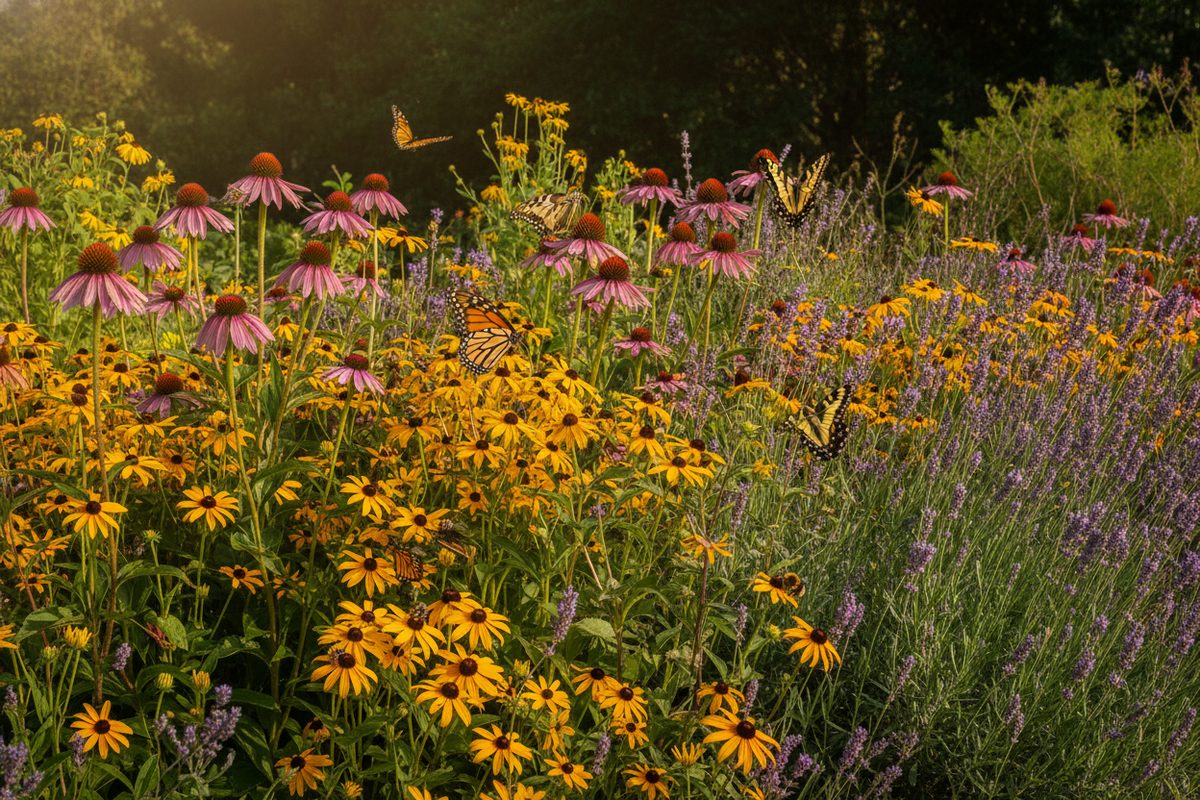
Beyond planting flowers, you can create permanent habitat for beneficial insects. Leave some areas of your garden slightly wild with native plants, grasses, and leaf litter. Build insect hotels using hollow stems, drilled wood blocks, and bundled twigs. Provide shallow water sources with pebbles for insects to land on. Avoid broad-spectrum pesticides, including organic ones like pyrethrin, which kill beneficial insects along with pests. For more on creating wildlife-friendly spaces, see our guide on how to create a pollinator-friendly garden.
Organic Sprays and Homemade Remedies
When pest populations exceed what beneficial insects can handle, organic sprays offer targeted intervention without the environmental damage of synthetic chemicals. These sprays break down quickly, are safe when used correctly, and many can be made from ingredients you already have in your kitchen.
Neem Oil Spray
Neem oil is extracted from the seeds of the neem tree, native to South Asia. It works in multiple ways: as a repellent, a feeding deterrent, and a hormone disruptor that interferes with insect growth and reproduction. Neem is effective against aphids, whiteflies, mealybugs, spider mites, and many caterpillars. It also has fungicidal properties that help control powdery mildew and other fungal diseases.
To make a neem oil spray, mix two teaspoons of cold-pressed neem oil with one teaspoon of liquid castile soap (which acts as an emulsifier) in one liter of warm water. Shake well and spray all surfaces of affected plants, including the undersides of leaves. Apply in the early morning or evening to avoid burning leaves in direct sunlight. Reapply every seven to fourteen days or after heavy rain.
Insecticidal Soap Spray
Insecticidal soap works by dissolving the waxy coating on soft-bodied insects, causing them to dehydrate and die. It is most effective against aphids, whiteflies, mealybugs, and spider mites. The spray must make direct contact with the insects to work, so thorough coverage is essential.
Make your own by mixing one tablespoon of pure liquid castile soap (avoid detergents or soaps with added fragrances) in one liter of water. Do not use dish soap, as many contain degreasers that can damage plant tissues. Spray directly on visible pests, repeating every four to seven days as needed. Always test on a small area first and wait twenty-four hours to check for leaf burn.
Garlic and Chili Spray
Garlic contains sulfur compounds that repel a wide range of insects. Chili peppers contain capsaicin, which is a powerful irritant for insects and even some mammals. Together, they create a potent repellent spray that deters aphids, beetles, caterpillars, and other chewing insects.
To prepare this spray, blend one whole garlic bulb and two hot chili peppers with two cups of water. Let the mixture steep overnight, then strain through cheesecloth. Add one tablespoon of liquid castile soap and dilute with water to make one liter. Spray on plants, focusing on areas where pests congregate. Wear gloves and avoid touching your eyes. This spray works best as a preventive measure applied before pest populations build up.
Diatomaceous Earth
Diatomaceous earth (DE) is a fine powder made from the fossilized remains of diatoms, microscopic aquatic organisms. Under a microscope, each particle has razor-sharp edges that cut through the waxy exoskeleton of insects, causing them to dehydrate. Food-grade DE is safe around humans and pets but deadly to soft-bodied insects, slugs, ants, and beetles.
Apply a thin dusting around the base of plants, on leaf surfaces where pests travel, or along slug trails. DE loses effectiveness when wet, so reapply after rain or watering. Use food-grade DE only, and wear a dust mask during application to avoid inhaling the fine particles. Learn more about soil amendments and amendments in our complete guide to soil testing and amendments.
Physical Barriers and Deterrents
Sometimes the simplest solutions are the most effective. Physical barriers prevent pests from reaching your plants in the first place, eliminating the need for any spray intervention.
Row Covers
Floating row covers are lightweight fabric sheets draped over plants or supported by hoops. They allow light, air, and water to pass through while blocking insects. Row covers are particularly effective against cabbage moths, carrot flies, flea beetles, and squash vine borers. Install them immediately after transplanting or sowing seeds, before pests have a chance to locate the plants. Secure the edges with soil, rocks, or landscape staples to prevent insects from crawling underneath.
Copper Tape and Barriers
Copper tape creates a mild electrical charge when slugs and snails touch it with their slime, delivering a harmless but unpleasant shock that turns them back. Apply copper tape around the rims of raised beds, pots, and container gardens. For larger areas, copper mesh or copper strips buried slightly above the soil surface create an effective barrier. This is one of the most reliable slug deterrents available and requires no maintenance once installed.
Netting
Fine mesh netting protects fruit trees, berry bushes, and brassicas from birds, butterflies, and larger insects. Use netting with mesh small enough to exclude the target pest but large enough to allow pollinators access. For cabbage butterflies, a mesh of seven millimeters works well. Install netting on a frame so it does not rest directly on plants, which gives insects a surface to lay eggs through the mesh.
Handpicking
For larger pests like caterpillars, beetles, and slugs, handpicking remains one of the most effective control methods. Go out in the early morning or evening with a bucket of soapy water and manually remove pests from plants. For slugs, nighttime patrols with a flashlight are particularly productive. Drop pests into the soapy water to dispose of them. This method is time-consuming but highly targeted and completely chemical-free.
Beer Traps for Slugs
Slugs are attracted to the yeast in beer. Bury a shallow container, like a tuna can or yogurt cup, at soil level and fill it with beer. Slugs will crawl in and drown. Empty and refill every few days. While this will not eliminate an entire slug population, it reduces numbers significantly when combined with other methods like copper barriers and encouraging ground beetles.
Crop Rotation and Biodiversity
Crop rotation is a fundamental practice in organic farming that prevents pest and disease buildup in the soil. When you grow the same crop in the same spot year after year, pest populations that specialize on that crop establish permanent residence. Rotating crop families to different beds each season breaks this cycle and forces pests to re-establish from scratch.
How to Rotate Crops
Divide your garden into four sections and group crops by family: nightshades (tomatoes, peppers, eggplant, potatoes), brassicas (cabbage, broccoli, kale, cauliflower), legumes (beans, peas), and cucurbits (squash, cucumbers, melons). Each year, move each group to the next section. Legumes fix nitrogen in the soil, so planting nightshades or brassicas in the bed where legumes grew the previous year takes advantage of this natural fertility boost.
The Power of Biodiversity
Monoculture, growing large blocks of a single crop, is an invitation for pest outbreaks. In nature, plants grow in diverse communities, and this diversity provides natural resistance to pest explosions. By mixing different plant species throughout your garden beds, you confuse pests that rely on visual or chemical cues to find host plants.
Interplant flowering herbs and ornamentals throughout your vegetable beds. Plant rows of lettuce between your tomatoes, intersperse carrots with onions, and tuck herbs into every available space. This polyculture approach not only reduces pest pressure but also maximizes space utilization and creates a more visually appealing garden. You can find more strategies for maximizing space in our guide to vertical gardening ideas for small yards.
Healthy Soil, Healthy Plants
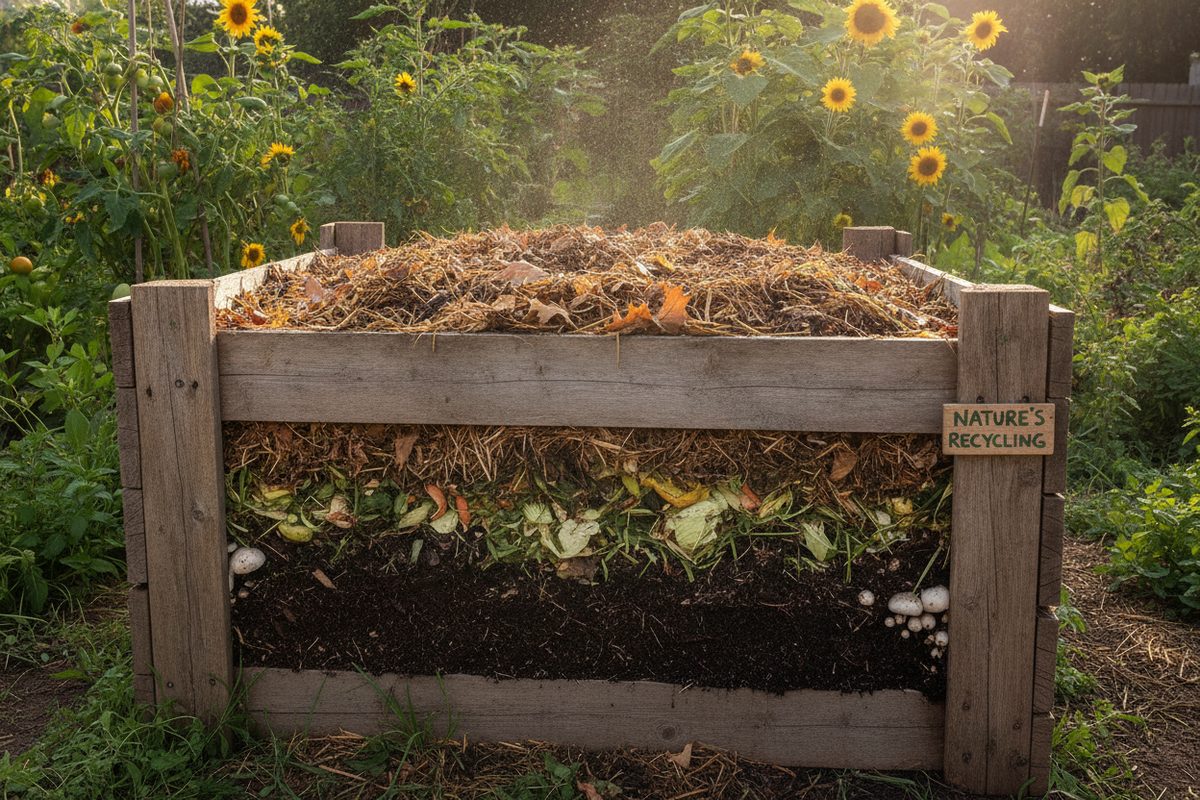
Plants growing in nutrient-rich, well-structured soil are inherently more resistant to pests and diseases. A plant that is struggling due to poor nutrition or compacted soil sends out stress signals that actually attract pests. Focus on building healthy soil through regular applications of homemade compost, mulching with organic materials, and avoiding synthetic fertilizers that deplete soil biology over time.
Healthy plants have thicker cell walls, more robust immune responses, and higher levels of natural pest-deterring compounds. Investing in your soil is investing in pest prevention. Regular soil testing helps you understand what your soil needs and prevents nutrient imbalances that weaken plants. Read our complete soil testing and amendment guide for detailed instructions.
Pest Identification Guide
Use this quick reference table to identify the most common garden pests, recognize the damage they cause, and choose the best natural remedy for each one.
| Pest | Typical Damage | Natural Remedy |
|---|---|---|
| Aphids | Curled leaves, sticky honeydew, sooty mold | Insecticidal soap spray, ladybugs, companion planting with chives or garlic |
| Slugs & Snails | Irregular holes in leaves, slime trails, seedling destruction | Copper tape barriers, beer traps, handpicking, diatomaceous earth |
| Cabbage Worms | Skeletonized brassica leaves, green droppings | Row covers, handpicking, Bacillus thuringiensis (Bt) spray, parasitic wasps |
| Tomato Hornworm | Defoliated tomato plants, large dark droppings | Handpicking, encourage parasitic wasps, dill as trap crop |
| Japanese Beetles | Skeletonized leaves, damaged flowers and fruit | Handpick into soapy water, milky spore for grubs, neem oil |
| Whiteflies | Yellowing leaves, sticky honeydew, sooty mold | Yellow sticky traps, insecticidal soap, Encarsia formosa parasitic wasps |
| Spider Mites | Stippled, bronzed leaves, fine webbing | Strong water spray, neem oil, predatory mites, increase humidity |
| Colorado Potato Beetle | Defoliated potato, eggplant, or tomato plants | Handpick eggs and adults, straw mulch, spinosad spray, crop rotation |
| Carrot Fly | Tunnels in carrot roots, rust-colored frass | Row covers, interplant with onions, thyme as repellent |
| Squash Vine Borer | Wilting squash vines, sawdust-like frass at base | Row covers until flowering, inject Bt into stems, crop rotation |
Companion Planting Chart
This companion planting reference shows which plants work well together and which should be kept apart. Use it when planning your garden layout each season.
| Plant | Good Companions | Bad Companions | Benefits |
|---|---|---|---|
| Tomatoes | Basil, marigolds, carrots, parsley | Fennel, cabbage, corn | Basil repels aphids and whiteflies; marigolds deter nematodes |
| Cabbage & Brassicas | Dill, chamomile, onions, nasturtiums | Strawberries, tomatoes | Onions repel cabbage worms; nasturtiums trap aphids |
| Carrots | Onions, leeks, rosemary, sage | Dill (mature), parsnips | Alliums repel carrot flies; herbs mask carrot scent |
| Cucumbers | Beans, peas, radishes, nasturtiums | Sage, potatoes, aromatic herbs | Radishes repel cucumber beetles; nasturtiums attract pollinators |
| Beans & Peas | Corn, squash, carrots, cucumbers | Onions, garlic, chives | Fix nitrogen for neighboring plants; corn provides trellis support |
| Lettuce | Chives, garlic, strawberries, radishes | Celery, parsley | Chives repel aphids; tall plants provide beneficial shade |
| Squash | Beans, corn, nasturtiums, marigolds | Potatoes | Nasturtiums deter squash bugs; three sisters planting maximizes space |
| Peppers | Basil, onions, carrots, spinach | Fennel, kohlrabi | Basil improves flavor and repels aphids; spinach provides ground cover |
Frequently Asked Questions
How do I identify which pest is eating my plants?
Start by examining the type of damage. Holes in leaves indicate chewing insects like caterpillars, beetles, or slugs. Curled, distorted, or yellowing leaves suggest sap-sucking insects like aphids or whiteflies. Slime trails point to slugs or snails, while fine webbing indicates spider mites. Check the undersides of leaves and along stems early in the morning when pests are most active. Our pest identification guide above can help you match the damage to the culprit.
Are natural pest control methods really effective?
Yes, but they work differently than chemical pesticides. Natural methods focus on prevention, balance, and long-term management rather than instant elimination. You might not achieve zero pests, but you will achieve a healthy balance where pest populations remain below damaging levels. Most experienced organic gardeners report that after two to three years of building a balanced ecosystem, pest problems decrease dramatically. The key is consistency and patience.
Can I use neem oil on all vegetables?
Neem oil is generally safe for most vegetables, but there are a few considerations. Avoid spraying neem on plants under water stress or in extreme heat above 90 degrees Fahrenheit. Some plants, particularly those with delicate leaves like lettuce and spinach, can be sensitive to oil sprays. Always test on a small area first. Do not spray neem on plants that are actively flowering, as it can harm pollinators. Apply in the early morning or evening when pollinators are less active.
How do I keep slugs out of my raised beds?
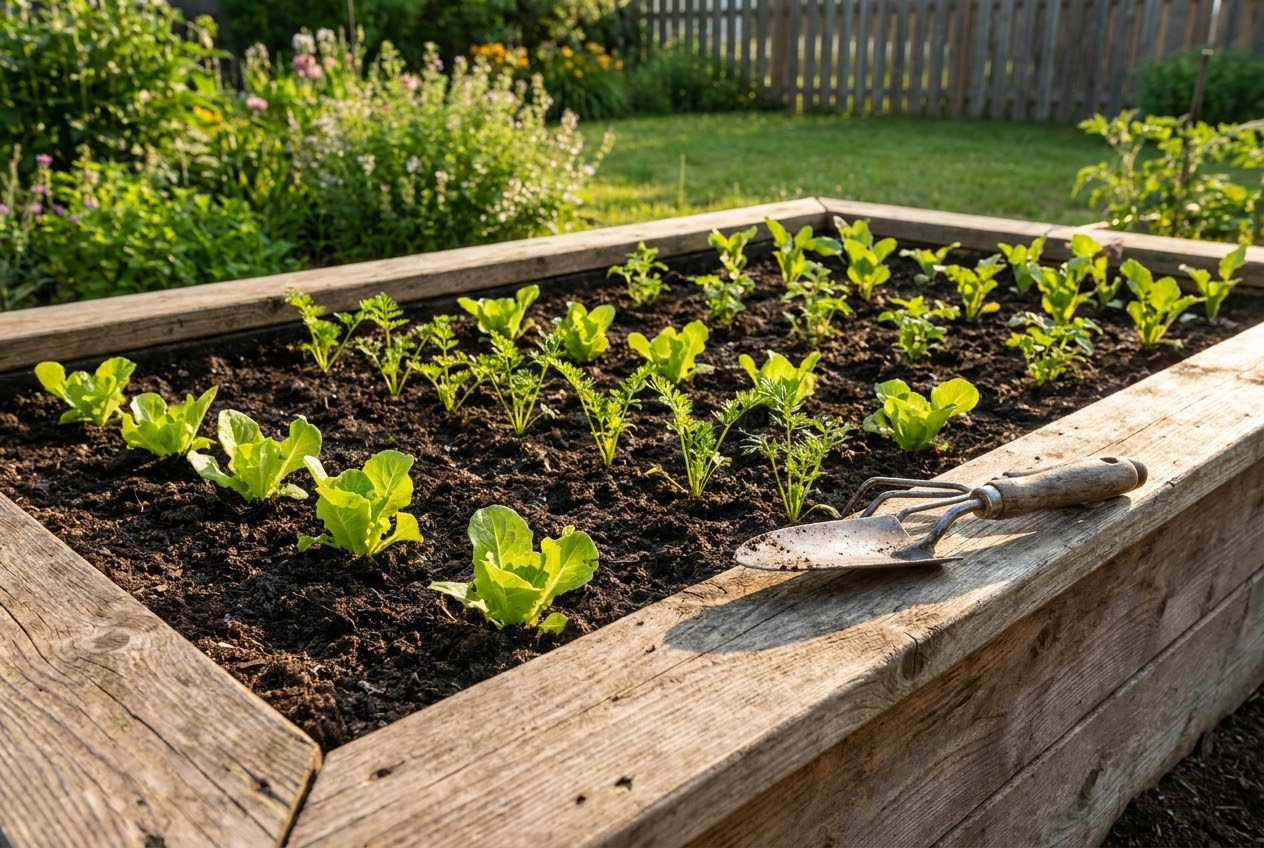
Combine multiple strategies for the best results. Install copper tape around the rim of your raised beds. Maintain a dry perimeter by watering only the bed interior and keeping mulch away from the edges. Encourage ground beetles and birds, which are natural slug predators. For severe infestations, go out at night with a flashlight and handpick slugs into a bucket of soapy water. Iron phosphate pellets are an organic option that is safe around pets and wildlife.
Will companion planting completely prevent pest problems?
Companion planting significantly reduces pest pressure but will not eliminate it entirely. Think of it as one layer in a multi-layered defense strategy. The most effective approach combines companion planting with healthy soil practices, physical barriers, encouraging beneficial insects, and organic sprays as a last resort. No single method is a silver bullet, but together they create a robust system that keeps pests manageable without chemicals. For starting a garden from the ground up with pest management in mind, check our guide on starting a vegetable garden from scratch.