Introduction
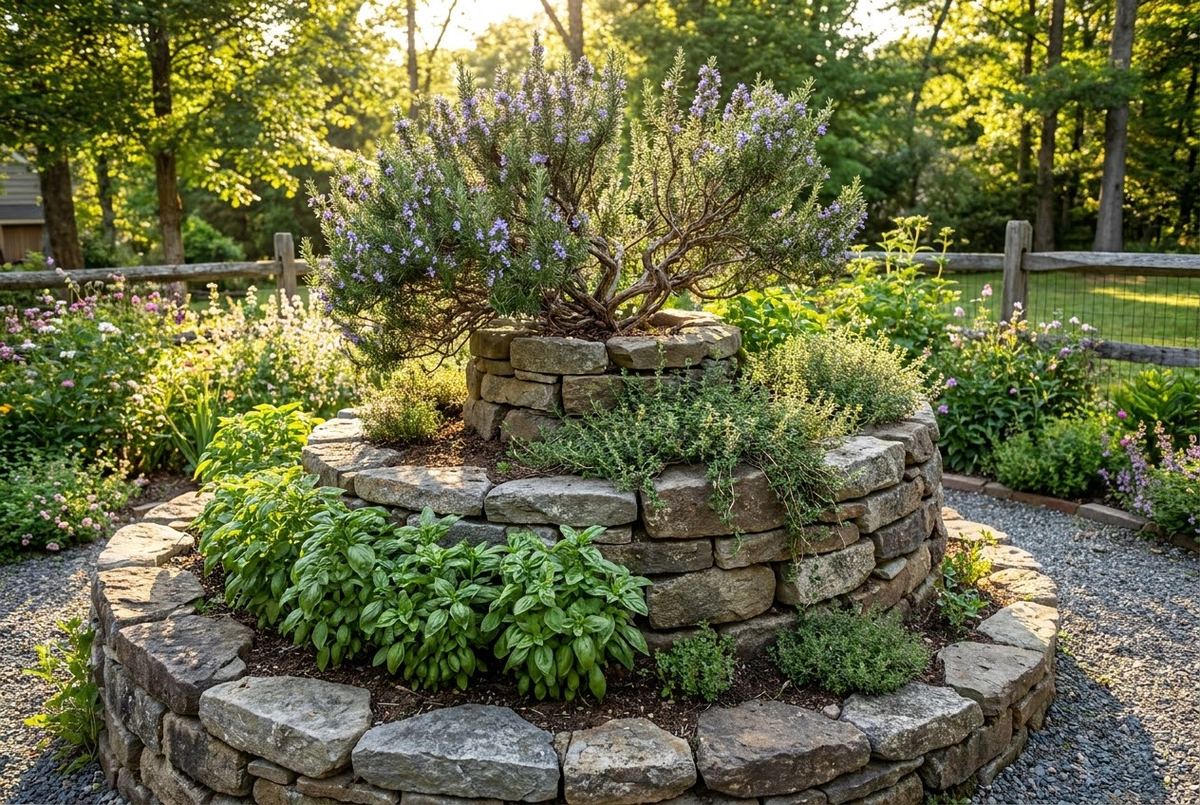
A herb spiral is a beautiful, space-saving garden feature that lets you grow a variety of culinary herbs in a small footprint. Inspired by permaculture design, the spiral shape creates different growing conditions, dry and sunny at the top, moist and shaded at the bottom, so you can match each herb to its ideal microclimate.
Why Build a Herb Spiral?
Herb spirals maximize vertical space, improve drainage, and create visual interest. They bring herbs close to the kitchen and make harvesting convenient. The spiral also warms up earlier in spring than flat ground, giving herbs a head start.
Materials and Tools
Common materials include bricks, stones, concrete blocks, or logs. You will also need cardboard or newspaper for a weed barrier, a mix of topsoil and compost, gravel for the base, and your herb plants or seeds. Tools are simple: a shovel, wheelbarrow, level, and gloves.
Step-by-Step Construction
Choose a sunny spot near the kitchen. Lay cardboard over the area to suppress weeds. Arrange your building material in a spiral roughly five to six feet across, building the wall higher toward the center. Fill with gravel at the bottom for drainage, then add soil and compost. Create a small pond at the base if desired.
Planting Your Herb Spiral
Plant Mediterranean herbs like rosemary, thyme, oregano, and lavender at the dry, sunny top. Sage and tarragon go on the upper slopes. Parsley, cilantro, and chives prefer the middle. Plant moisture-loving herbs like mint, basil, and lemon balm at the base, and consider containing mint in a pot to prevent spreading.
Maintaining the Spiral
Water new plantings regularly until established. Add mulch to retain moisture and suppress weeds. Harvest herbs often to encourage bushy growth. Every year, top-dress with compost to refresh nutrients and maintain soil structure.
Emma Richardson
Emma Richardson is a passionate home gardener and sustainability advocate with over a decade of hands-in-the-soil experience. She writes practical guides to help people grow their own food and live more sustainably, no matter their experience level or available space.
View all articles →Related Articles