Introduction
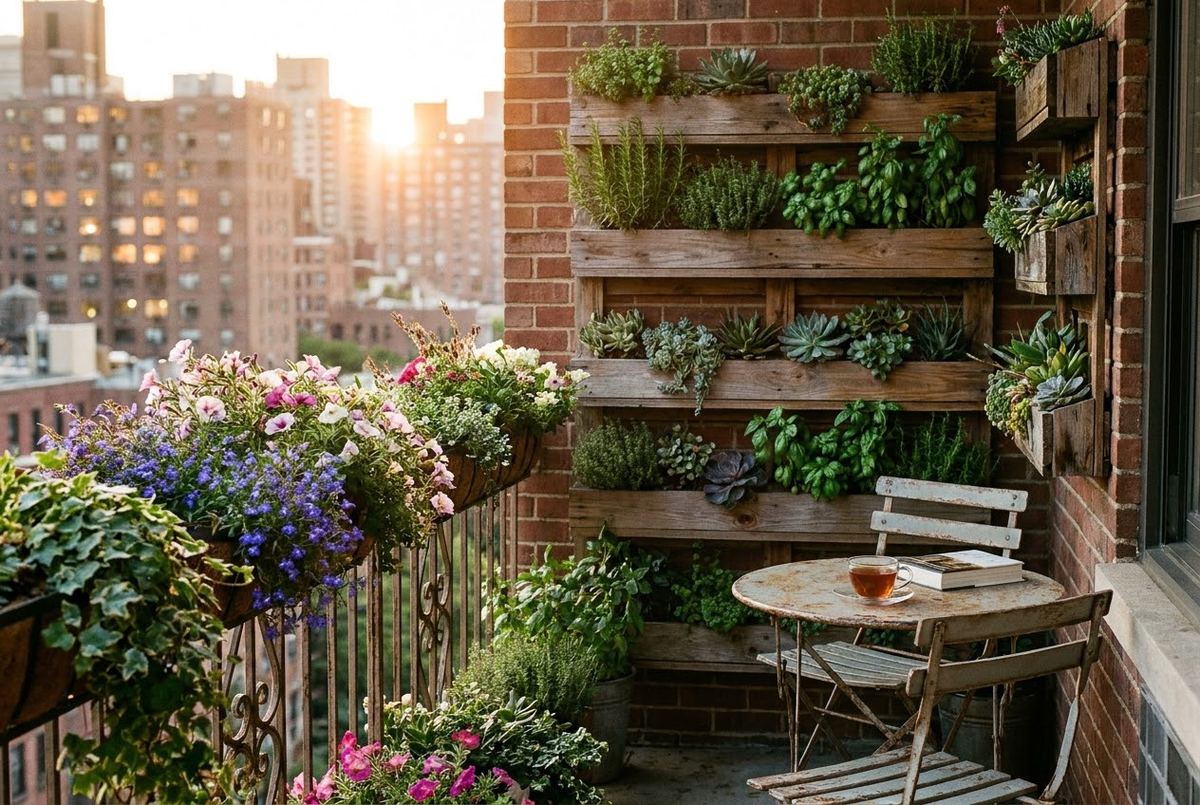
You do not need a backyard to grow your own food. A sunny balcony, a small patio, or even a doorstep can become a productive garden when you use containers. Container gardening is one of the most flexible ways to grow vegetables, herbs, and flowers, and it is ideal for beginners because it gives you complete control over soil, water, and placement.
This guide covers everything you need to start a thriving container garden. From choosing pots to selecting the right soil and plants, you will learn the fundamentals that turn empty containers into a source of fresh, homegrown food.
Why Choose Container Gardening?
Containers solve many common gardening problems. They let you grow food in spaces where in-ground beds are impossible, such as apartments, rentals, and paved areas. They also reduce weeds, prevent soil compaction, and make it easier to manage pests and diseases.
Because containers are portable, you can move plants to catch the best sun, shelter them from storms, or rearrange your space as needed. For new gardeners, the smaller scale and defined boundaries make maintenance less overwhelming than managing a full garden plot.
Choosing the Right Containers
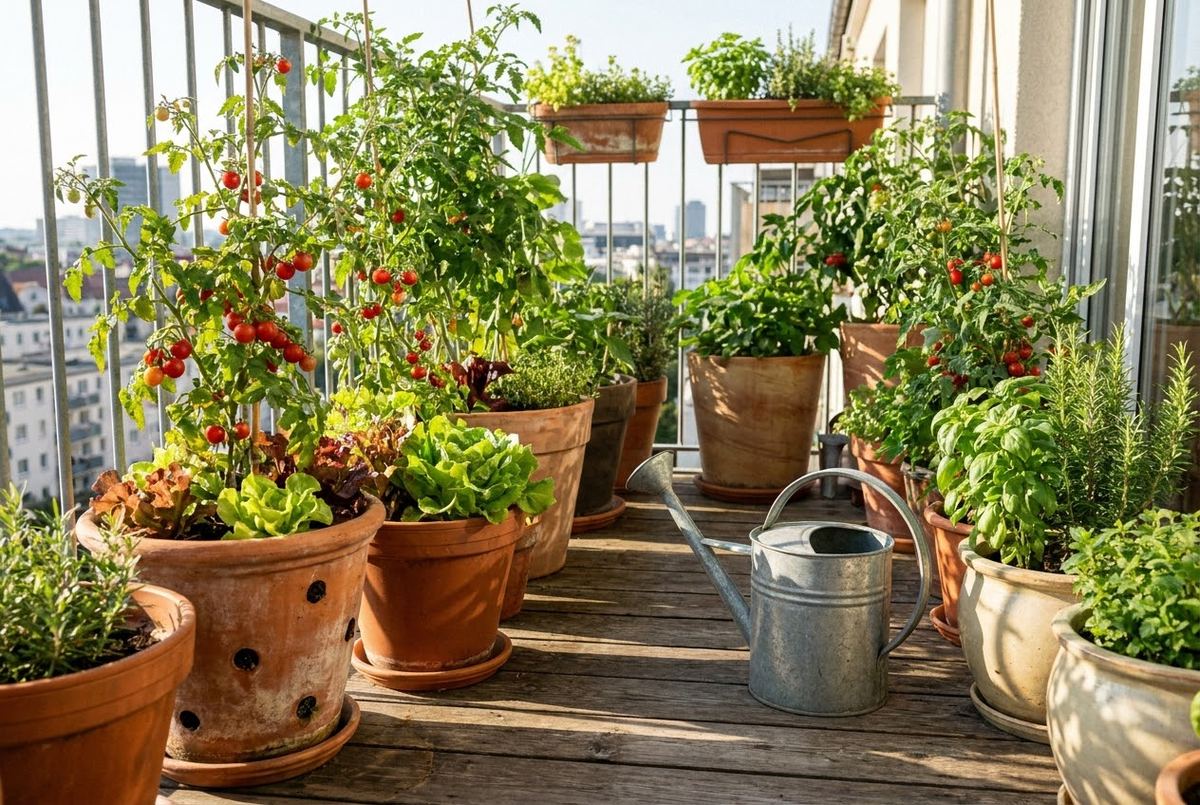
Almost any container can grow plants as long as it has drainage holes. Without drainage, roots sit in water and rot. Terra cotta, plastic, wood, fabric grow bags, and glazed ceramic all work well. Choose a container at least twelve inches wide and deep for most vegetables.
Large plants like tomatoes, peppers, and eggplants need containers of five gallons or more. Leafy greens and herbs can thrive in pots as small as six to eight inches across. Fabric pots are lightweight, breathable, and excellent for root health. Avoid dark-colored containers in hot climates, because they absorb heat and can cook roots.
Soil and Fertilizer for Containers
Never fill containers with garden soil. It is too heavy, drains poorly, and may contain pests or diseases. Use a high-quality potting mix designed for containers. Look for ingredients like peat moss, coconut coir, perlite, vermiculite, and compost.
Container plants rely on you for nutrients because frequent watering leaches fertilizer from the pot. Mix a slow-release organic fertilizer into the potting mix at planting, then feed with a diluted liquid organic fertilizer every two to four weeks during the growing season.
Best Plants for Container Gardens
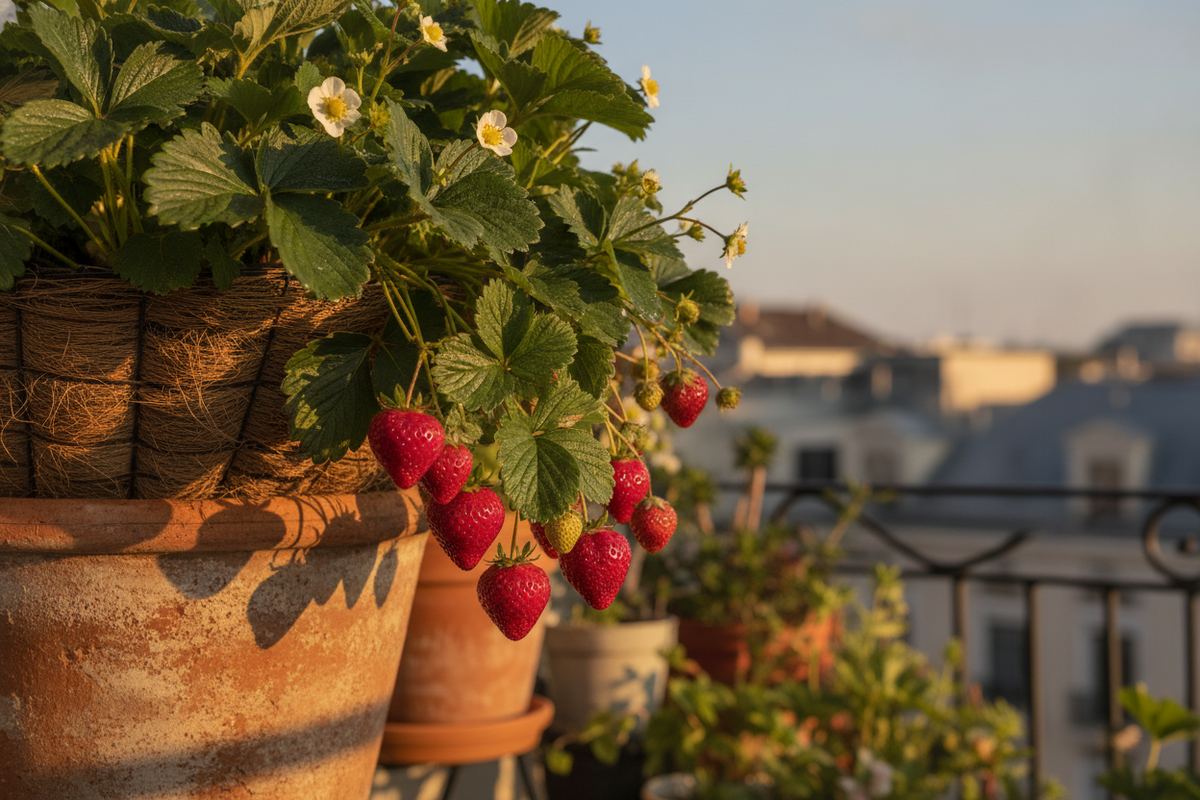
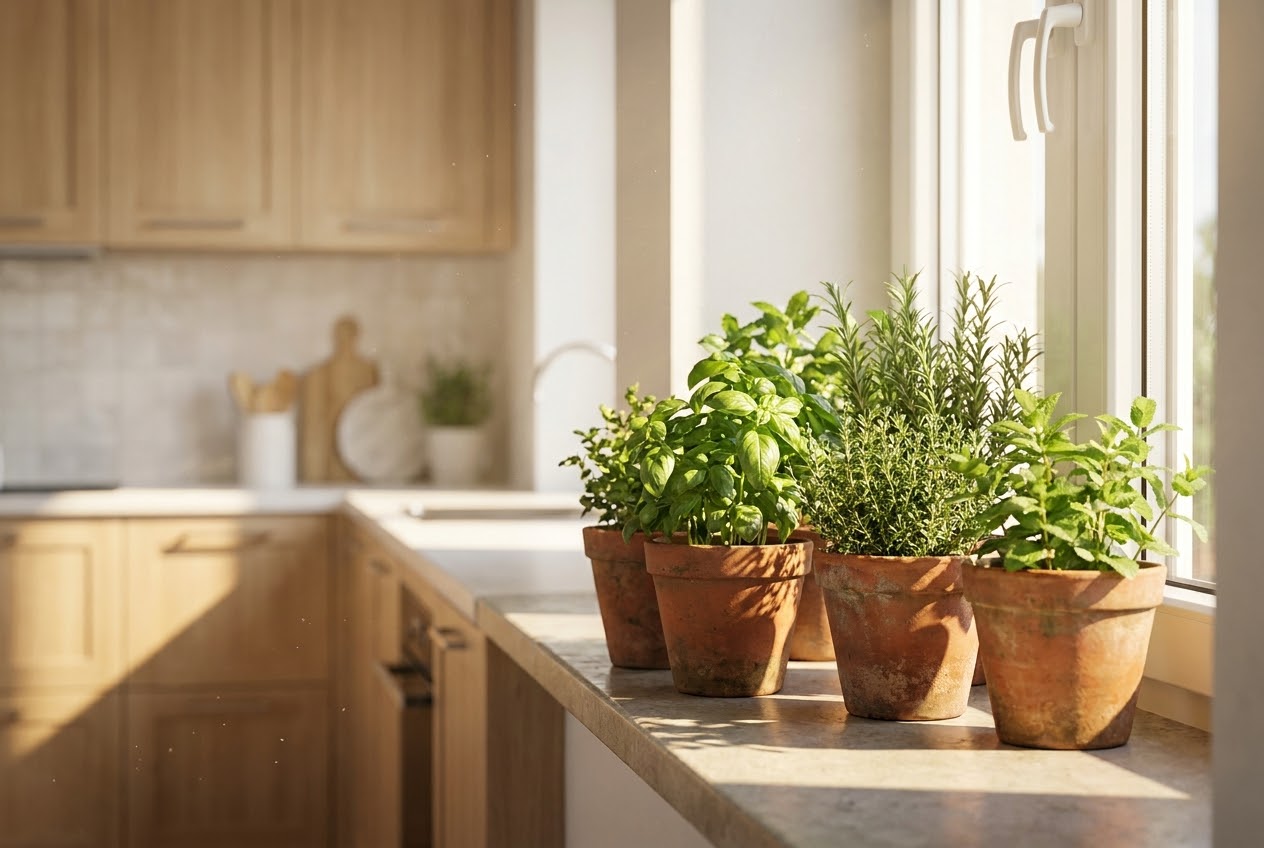
Many vegetables and herbs are perfectly happy in pots. Beginners should start with reliable performers. Lettuce, spinach, radishes, and green onions mature quickly and take up little space. Herbs such as basil, parsley, thyme, and mint are compact and forgiving. Cherry tomatoes, peppers, and compact bush beans do well in larger containers.
Avoid plants that need extensive root runs or long seasons unless you have very large pots. Full-sized pumpkins, corn, and sprawling melons are poor choices for most container gardens.
Watering and Maintenance Tips
Containers dry out faster than garden beds, especially in summer. Check moisture daily by sticking a finger an inch into the soil. Water thoroughly until it drains from the bottom. Morning watering is best because it gives foliage time to dry before evening.
Remove spent flowers and yellow leaves regularly to keep plants healthy. Watch for pests like aphids and spider mites, which can spread quickly in confined container spaces. Rotate pots occasionally so all sides of the plant receive light evenly.
Emma Richardson
Emma Richardson is a passionate home gardener and sustainability advocate with over a decade of hands-in-the-soil experience. She writes practical guides to help people grow their own food and live more sustainably, no matter their experience level or available space.
View all articles →Related Articles