Introduction
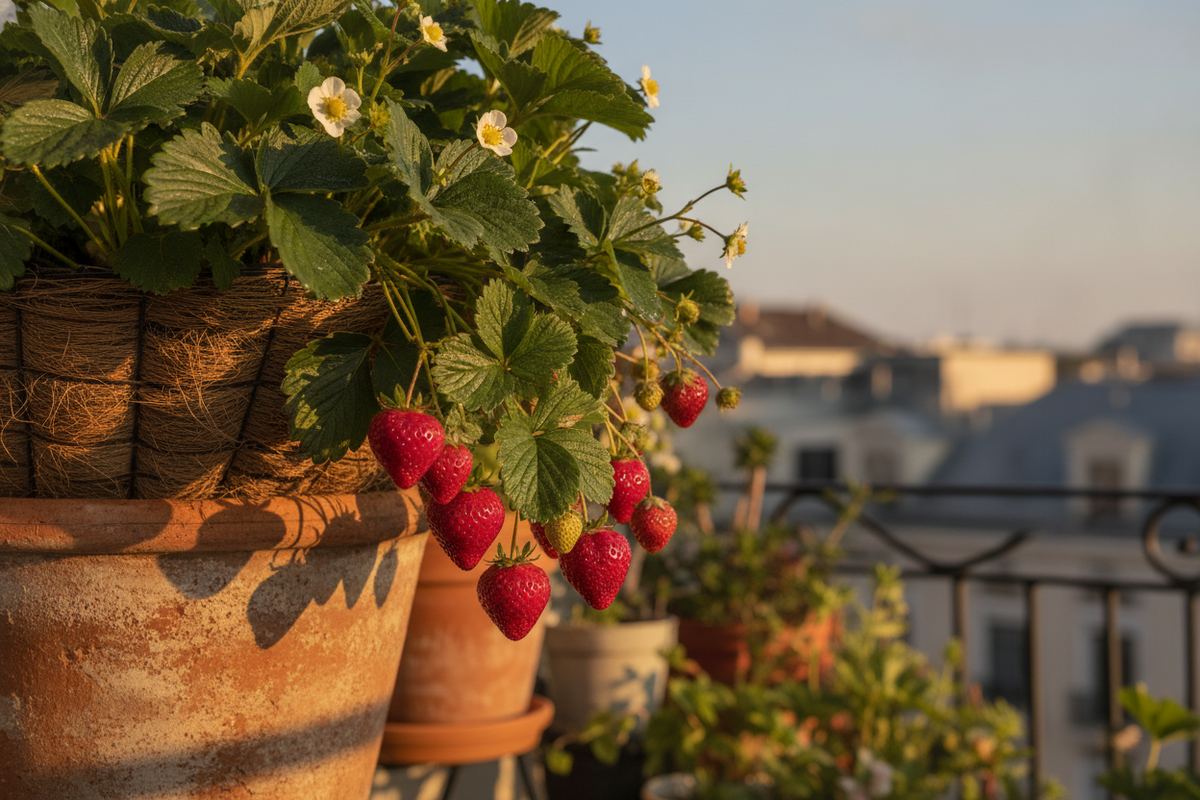
Fresh strawberries from your own patio or balcony are one of the sweetest rewards a container gardener can enjoy. These compact plants adapt beautifully to pots, hanging baskets, and strawberry jars, making them perfect for small spaces. With the right variety, soil, and care, you can harvest juicy berries from late spring through fall.
This guide walks you through every step of growing strawberries in containers, from selecting the best types to watering, feeding, and protecting your crop from birds and slugs.
Best Strawberry Varieties for Containers
Strawberries fall into three main categories. June-bearing varieties produce one large crop in late spring and are ideal if you want berries for jam or freezing. Everbearing varieties produce two to three smaller harvests from spring through fall and are excellent for fresh eating. Day-neutral varieties bear fruit continuously as long as temperatures stay between 35 and 85 degrees Fahrenheit.
For containers, compact everbearing and day-neutral varieties are often the best choice because they provide a longer harvest in a small footprint. Albion, Seascape, Tribute, and Tristar are popular day-neutral options. For ornamental containers, consider alpine strawberries, which produce small, intensely flavored fruit and attractive foliage.
Choosing Containers and Soil
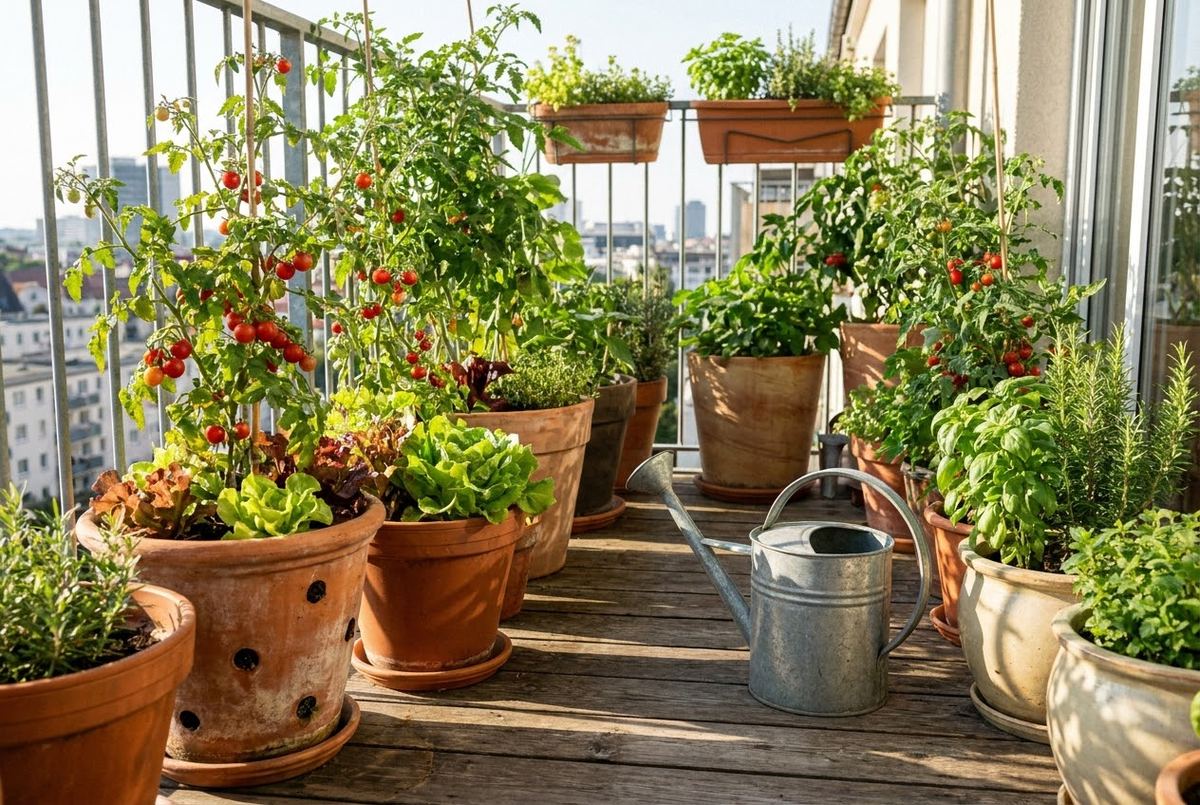
Strawberries have shallow roots, so a container at least eight inches deep and twelve inches wide works for one or two plants. Strawberry jars with side pockets are decorative but can dry unevenly, so monitor them closely. Hanging baskets and window boxes allow fruit to cascade and stay clean.
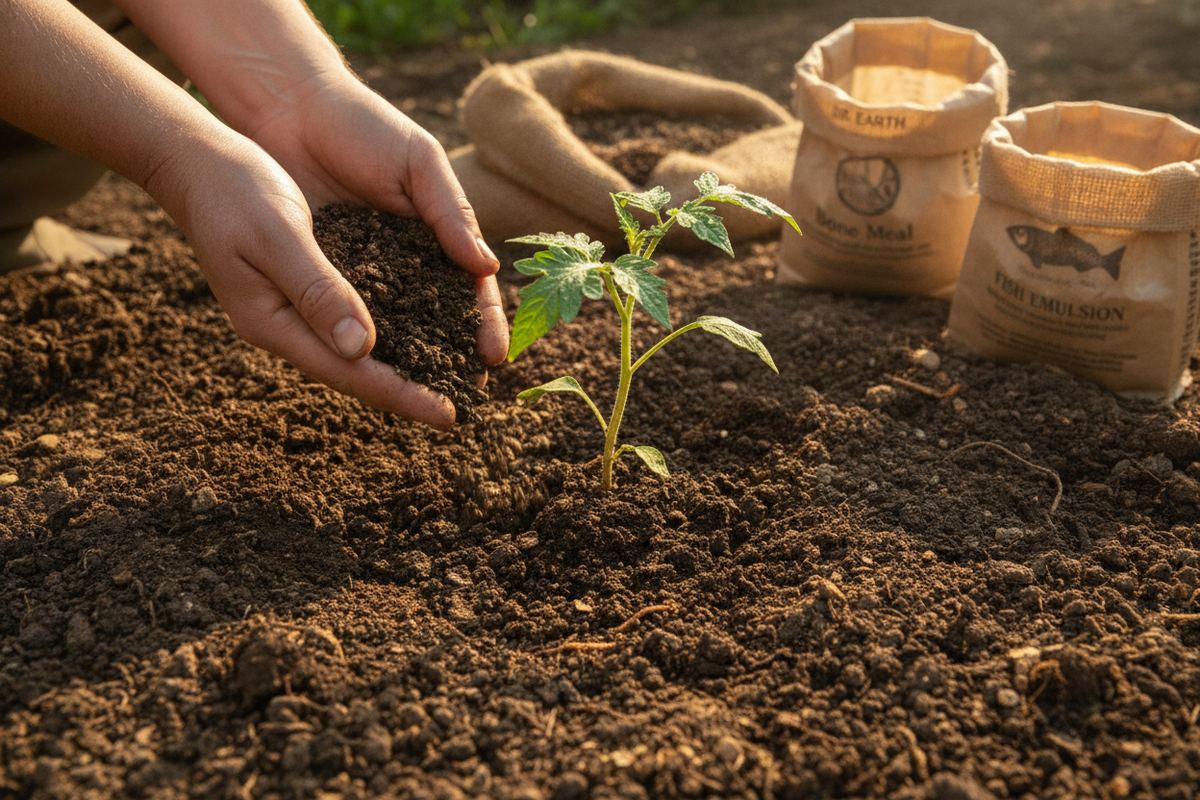
Use a high-quality potting mix rich in organic matter. Strawberries prefer slightly acidic soil with a pH between 5.5 and 6.8. Mix in a slow-release organic fertilizer at planting to support steady growth.
Planting and Positioning
Set strawberry plants so the crown, where roots meet leaves, sits right at soil level. Burying the crown causes rot; leaving roots exposed dries them out. Space plants eight to twelve inches apart in wide containers. Water thoroughly after planting.
Place containers in a spot that receives at least six to eight hours of direct sunlight daily. More sun means sweeter fruit. In hot climates, afternoon shade helps prevent scorched leaves.
Watering, Feeding, and Care
Strawberries in containers need consistent moisture. Water whenever the top inch of soil feels dry, which may be daily in summer heat. Feed with a balanced liquid organic fertilizer every two to three weeks during the growing season.
Remove runners unless you want to start new plants. Runners divert energy from fruit production. Pinch off any flowers that appear in the first six weeks after planting to encourage stronger root growth and a bigger future harvest.
Protecting Berries and Harvesting
Birds, slugs, and squirrels love strawberries as much as gardeners do. Netting is the most effective bird protection. Elevating containers or using copper tape can deter slugs. Harvest berries when they are fully colored and easily pull from the stem. Pick in the cool of the morning for the best flavor.
Emma Richardson
Emma Richardson is a passionate home gardener and sustainability advocate with over a decade of hands-in-the-soil experience. She writes practical guides to help people grow their own food and live more sustainably, no matter their experience level or available space.
View all articles →Related Articles