Introduction
Healthy vegetables start with healthy soil, and organic fertilizers feed both. Unlike synthetic fertilizers that deliver a quick burst of nutrients, organic options improve soil structure, support beneficial microbes, and release nutrients slowly. The result is stronger plants, better flavor, and a garden that becomes more fertile over time.
This guide compares the best organic fertilizers for vegetables and explains when and how to use each one for maximum harvests.
Compost: The Foundation Fertilizer
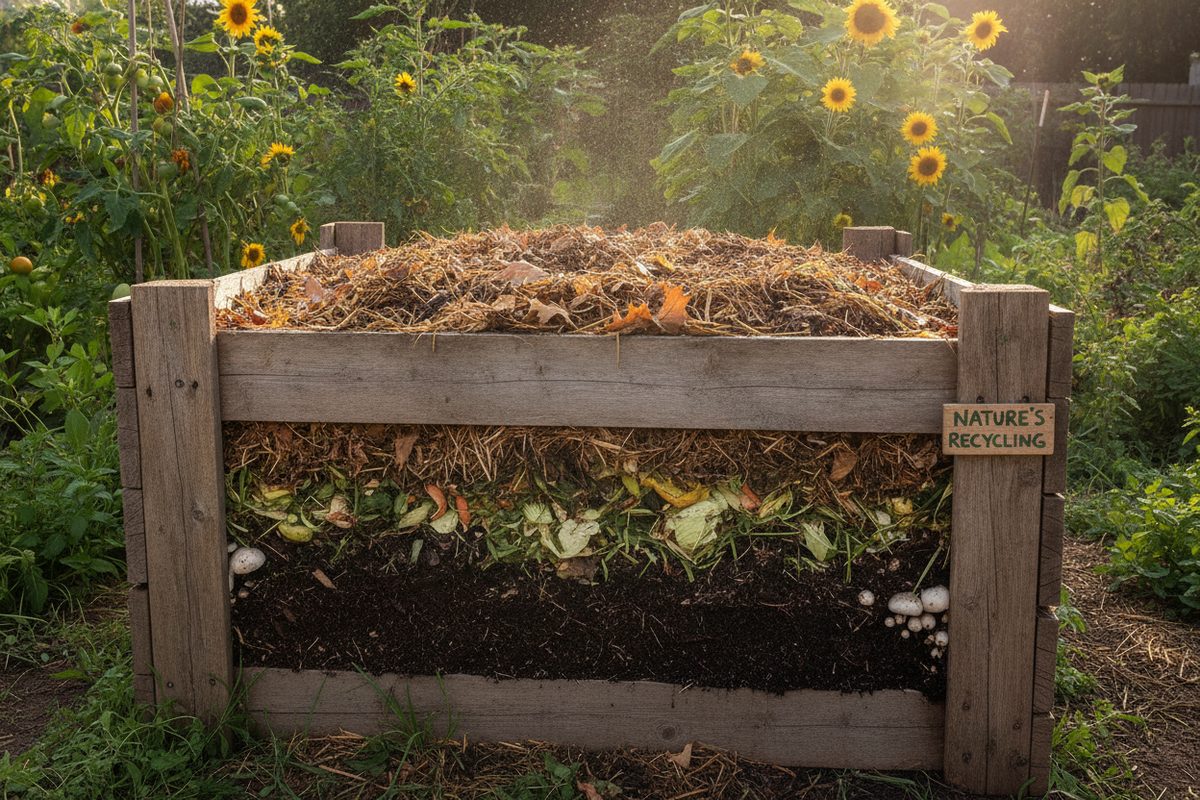
Compost is the single most valuable soil amendment in an organic garden. It adds organic matter, improves drainage in clay soils, increases water retention in sandy soils, and provides a wide range of nutrients. Spread one to two inches of finished compost over beds each spring and gently work it into the top few inches of soil.
Animal Manures and Composted Manure
Aged or composted manure from cows, chickens, horses, sheep, or rabbits is rich in nitrogen and other nutrients. Always use well-composted manure for edible crops. Fresh manure can burn plants and introduce pathogens. Apply in fall or early spring so it has time to break down before planting.
Liquid Organic Fertilizers
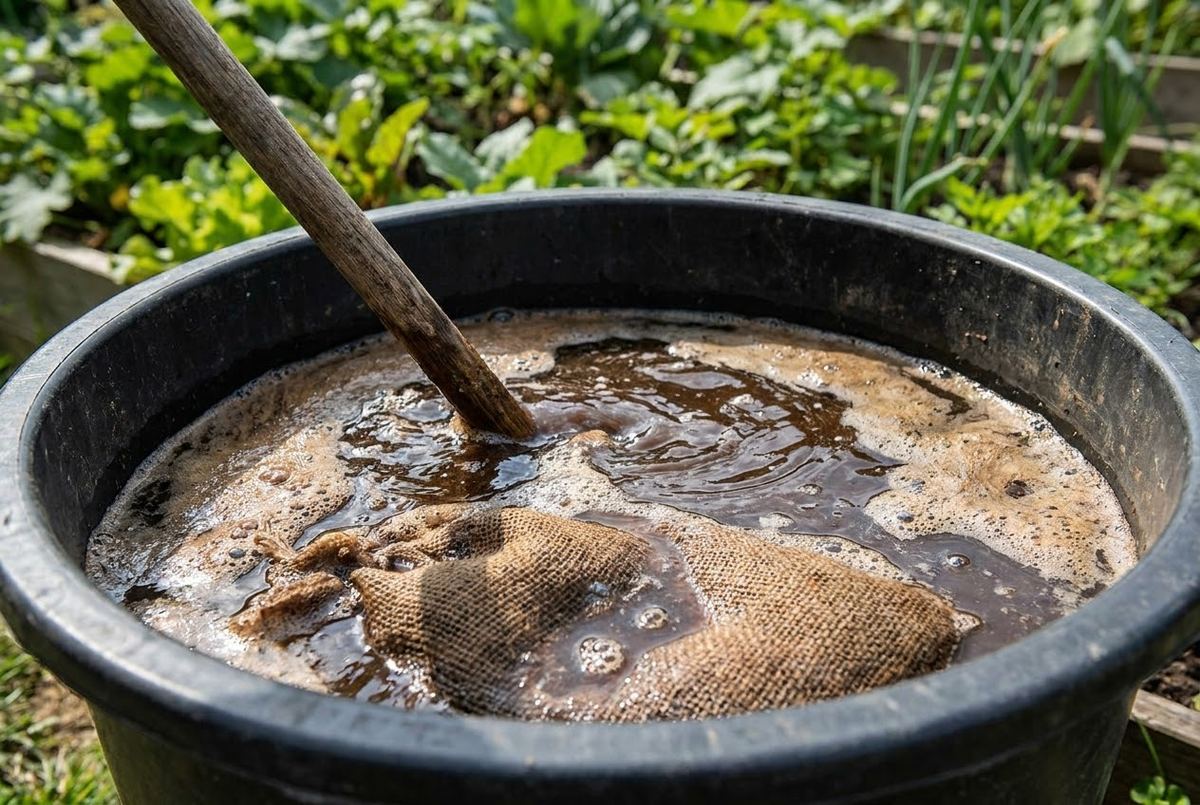
Liquid fertilizers provide a quick nutrient boost during the growing season. Fish emulsion is a balanced option that supports leafy growth. Liquid seaweed and kelp supply trace minerals and plant hormones that improve stress tolerance. Use these at half strength every two to four weeks.
Specialty Organic Amendments
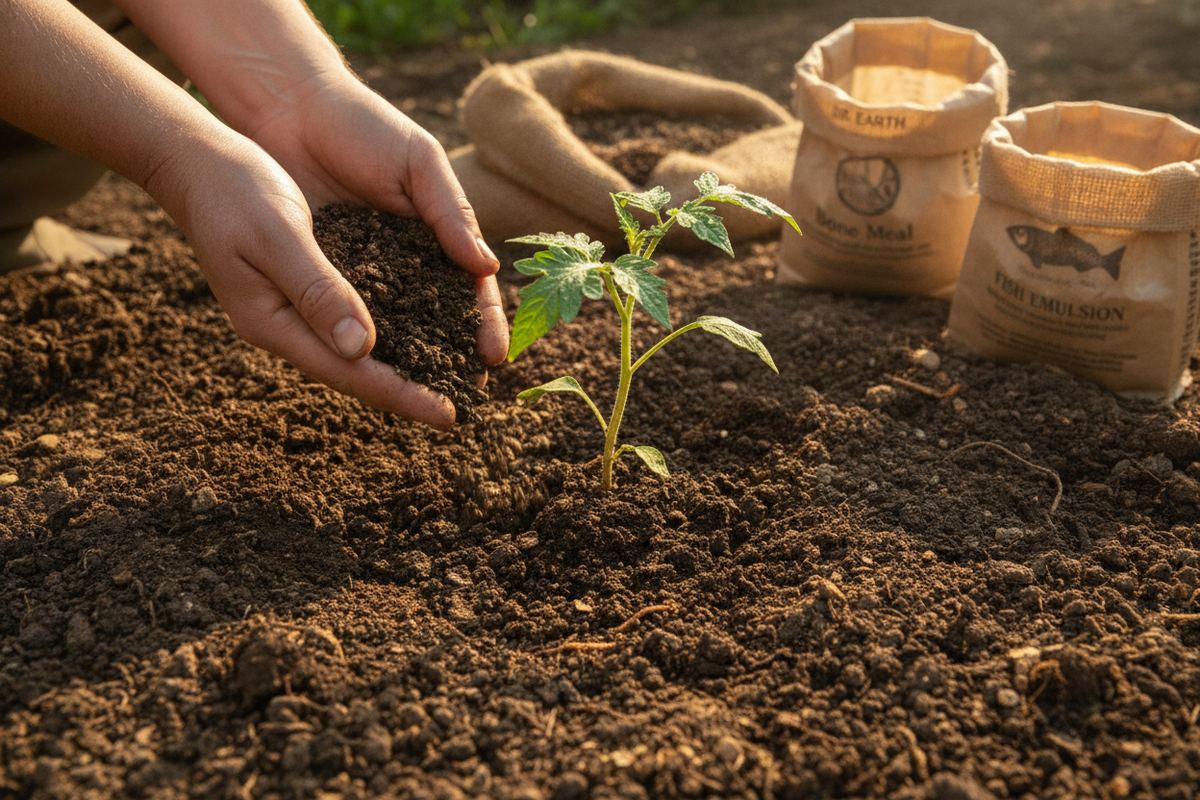
Bone meal adds phosphorus for root development and fruiting. Blood meal provides a fast-acting nitrogen boost. Rock phosphate and greensand add phosphorus and potassium over the long term. Wood ash raises pH and adds potassium but should be used sparingly.
| Fertilizer | Best For | Application |
|---|---|---|
| Compost | All vegetables | Top-dress annually |
| Aged manure | Heavy feeders | Fall or early spring |
| Fish emulsion | Leafy greens | Every 2-4 weeks |
| Bone meal | Root crops, fruiting plants | At planting |
| Kelp meal | Overall plant health | Side-dress or foliar feed |
When and How to Fertilize Vegetables
Start with rich soil amended with compost. Side-dress heavy feeders like tomatoes, peppers, and squash with compost or balanced fertilizer when they begin to flower. Leafy crops benefit from nitrogen-rich feedings early in growth. Root crops need phosphorus more than nitrogen, because excess nitrogen causes lush tops and small roots.
Emma Richardson
Emma Richardson is a passionate home gardener and sustainability advocate with over a decade of hands-in-the-soil experience. She writes practical guides to help people grow their own food and live more sustainably, no matter their experience level or available space.
View all articles →Related Articles