What Is Mulch
Mulch is any material spread over the surface of the soil around plants. It serves as a protective blanket that shields the soil from direct sun, heavy rain, wind, and temperature extremes. While the concept is simple, the impact of mulching on garden health is enormous. Professional landscapers, commercial farmers, and experienced home gardeners all agree that mulching is one of the single most beneficial practices you can adopt, and it requires almost no skill or specialized equipment.
Mulch falls into two broad categories: organic and inorganic. Organic mulches include wood chips, straw, shredded leaves, grass clippings, compost, and pine needles. These materials gradually decompose, adding organic matter and nutrients to the soil. Inorganic mulches include gravel, landscape fabric, rubber chips, and plastic sheeting. These do not decompose and do not add nutrients, but they excel at weed suppression and long-term ground coverage. Both types have their place in a well-designed garden, and many gardeners use a combination depending on the specific needs of each area.
The beauty of mulching is that it solves multiple problems simultaneously. A single two-inch layer of wood chips applied around your plants reduces watering needs, suppresses weeds, regulates soil temperature, prevents erosion, and improves soil structure as it breaks down. Few other garden practices offer so many benefits for so little effort. Whether you are tending a sprawling vegetable garden, a small perennial border, or a few containers on a patio, there is a mulching strategy that will make your life easier and your plants healthier.
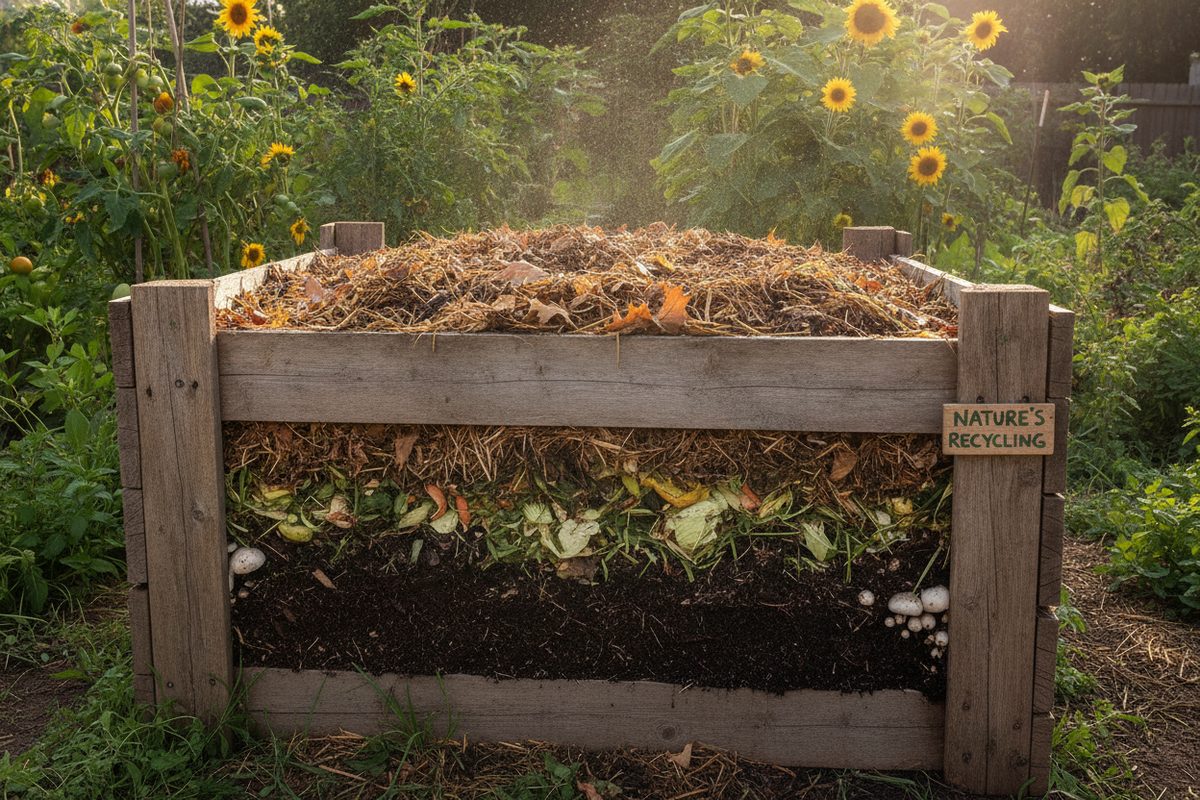
For gardeners who are also working on building healthy soil, mulching works hand in hand with composting at home. The two practices complement each other beautifully: compost feeds the soil from below while mulch protects it from above. Together, they create the conditions that produce the most productive, resilient gardens possible.
8 Key Benefits of Mulching
Understanding exactly what mulch does for your garden helps you make smarter decisions about when, where, and how to apply it.
1. Moisture Retention
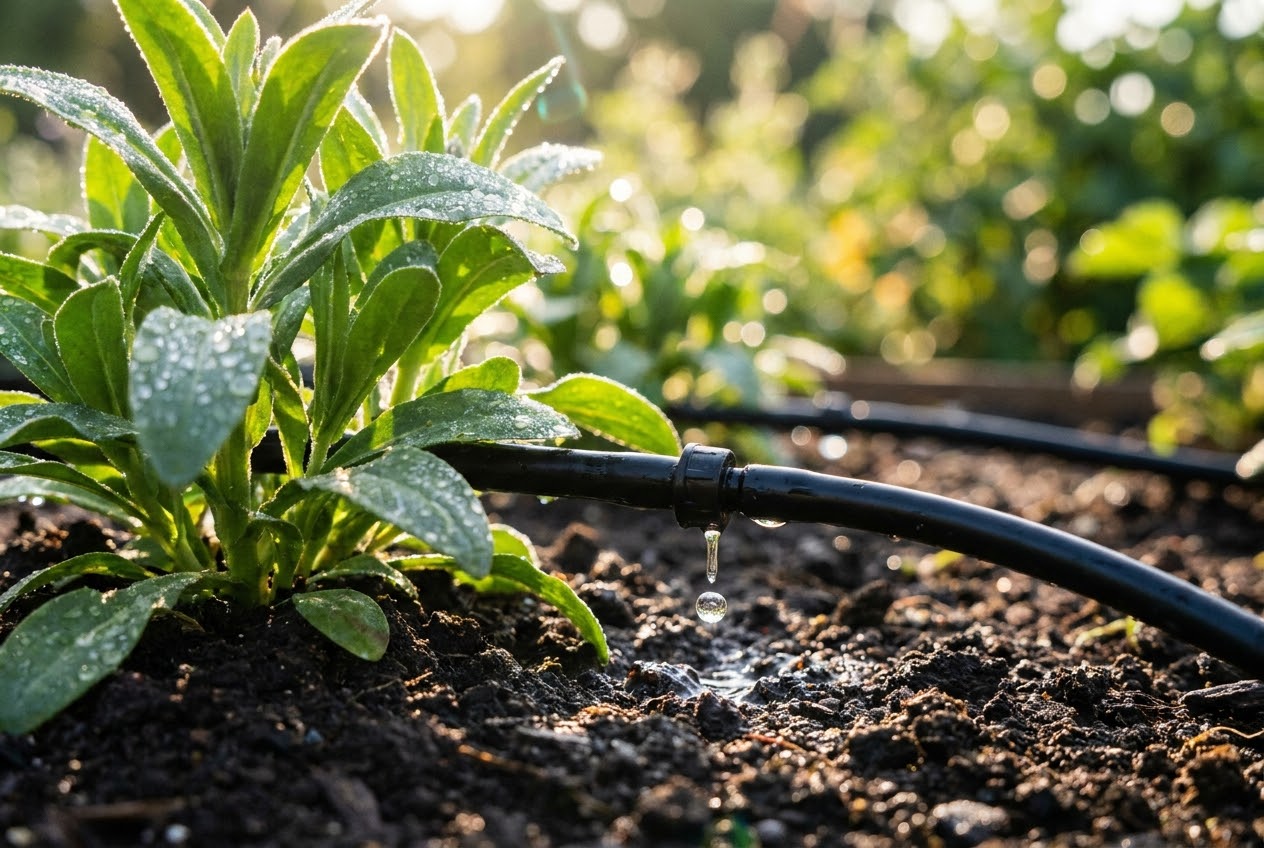
Soil moisture evaporates quickly when exposed to direct sun and wind. A layer of mulch acts as a barrier that dramatically reduces evaporation, keeping the soil moist for longer periods between waterings. Studies consistently show that mulched gardens require thirty to fifty percent less water than unmulched gardens. In hot, dry climates, this difference can be the difference between thriving plants and struggling ones. For gardeners practicing water conservation or dealing with drought restrictions, mulching is one of the most effective water-saving strategies available. Our guide on watering your garden efficiently covers this in more detail.
2. Weed Suppression
A thick layer of mulch blocks sunlight from reaching weed seeds in the soil, preventing them from germinating. Mulch does not eliminate all weeds, but it dramatically reduces the number and severity of weed problems. For maximum weed suppression, apply a layer of newspaper or cardboard beneath organic mulch. The paper layer creates an additional barrier that smothers existing weeds and prevents new seeds from reaching the soil. Over time, the paper decomposes and becomes part of the soil. This combination of paper plus mulch is one of the most effective organic weed control methods available and reduces or eliminates the need for chemical herbicides.
3. Temperature Regulation
Soil temperature swings stress plant roots. On a hot summer day, bare soil can reach 120 degrees Fahrenheit at the surface, which is hot enough to damage shallow roots and kill beneficial soil organisms. In winter, bare soil freezes and thaws repeatedly, which can heave plants out of the ground and damage root systems. Mulch insulates the soil, keeping it cooler in summer and warmer in winter. This moderate, stable temperature environment promotes healthier root growth and protects perennial plants during winter dormancy.
4. Soil Improvement
Organic mulches gradually decompose and become incorporated into the soil by earthworms, insects, and microorganisms. This continuous addition of organic matter improves soil structure, increases water-holding capacity in sandy soils, and improves drainage in clay soils. Over time, regularly mulched soil becomes darker, crumblier, and richer in beneficial microorganisms. The decomposition process also releases nutrients slowly, providing a steady, low-level fertilizer effect that synthetic fertilizers cannot match. If you are working on improving your soil quality as outlined in our soil testing and amendment guide, mulching should be an essential part of your strategy.
5. Erosion Prevention
Rain, wind, and irrigation can wash topsoil away from garden beds, especially on slopes and in areas with sparse plant cover. Mulch absorbs the impact of raindrops, which prevents soil particles from splashing and washing away. On slopes, mulch slows water runoff and gives it time to soak into the soil rather than running off and carrying soil with it. This is particularly important for newly planted areas where root systems have not yet established enough to hold the soil in place.
6. Pest Deterrence
Certain mulch types can deter garden pests. Cedar and cypress bark contain natural oils that repel insects, including fleas, ticks, and some garden pests. Sharp-edged mulches like crushed eggshells or pine bark nuggets can deter slugs and snails who prefer not to crawl across rough surfaces. Reflective mulches like silver plastic mulch can confuse and repel aphids and other flying pests. While mulch alone will not solve serious pest problems, it is a useful component of an integrated pest management strategy, as detailed in our natural pest control guide.
7. Aesthetics
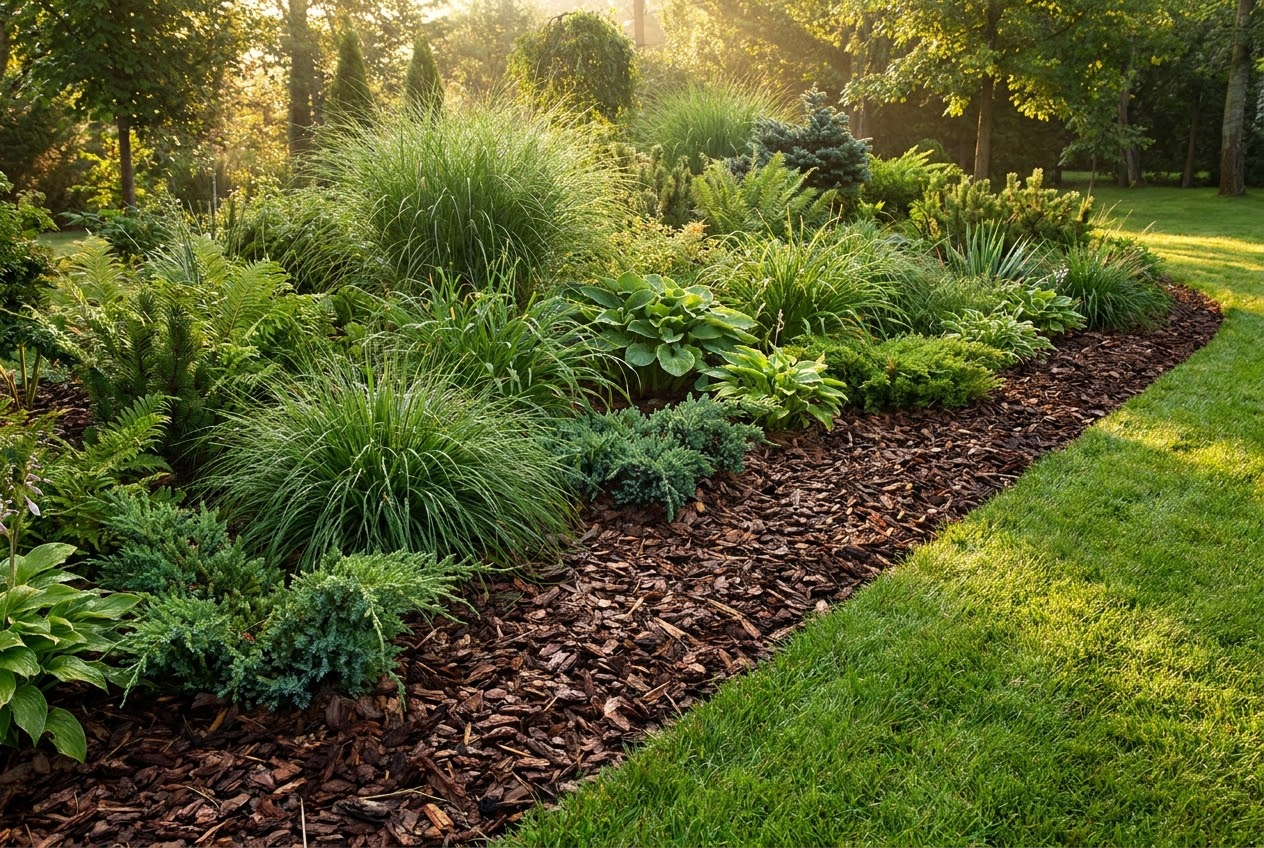
There is no denying the visual impact of a freshly mulched garden bed. Mulch provides a clean, uniform backdrop that makes plants stand out and gives the garden a polished, professional appearance. Dark mulches like shredded hardwood or dyed black mulch create a striking contrast with green foliage and colorful flowers. Light-colored mulches like pine straw or pea gravel create a more natural, woodland feel. Whatever your aesthetic preference, mulch is one of the fastest ways to improve your garden's curb appeal.
8. Disease Reduction
Mulch creates a physical barrier between the soil and plant foliage, preventing soil-borne pathogens from splashing onto leaves during rain or irrigation. Many fungal diseases, including early blight on tomatoes and various leaf spot diseases, are spread by raindrops carrying contaminated soil particles onto lower leaves. A layer of mulch stops this splash effect and significantly reduces the incidence of these diseases. This is one reason why mulched vegetable gardens consistently show lower rates of foliar diseases compared to bare-soil gardens.
Organic Mulch Types
Organic mulches are the most popular choice for home gardens because they offer all eight benefits listed above. Each type has its own characteristics that make it better suited for certain applications.
Wood Chips and Bark
Wood chips are the most widely available and commonly used organic mulch. They decompose slowly, lasting one to three years before needing replacement, and they provide excellent weed suppression and moisture retention. Bark mulch, made from shredded or chipped tree bark, has similar properties and often has a more attractive, uniform appearance. Both are available in various sizes from fine shredded to large nuggets. Smaller pieces decompose faster and knit together more tightly, providing better weed control. Larger nuggets last longer but can wash away in heavy rain and provide gaps where weeds can emerge.
A common concern with wood chip mulch is the "nitrogen robbery" myth. It is true that fresh wood chips can temporarily tie up nitrogen at the soil-mulch interface as microorganisms decompose the carbon-rich wood. However, this effect is confined to the very thin layer where mulch contacts soil and does not affect the root zone of established plants. For vegetable gardens, applying a thin layer of compost beneath wood chip mulch eliminates this concern entirely. Avoid mixing fresh wood chips into the soil itself, where the nitrogen tie-up can affect plant roots.
Straw and Hay
Straw is an excellent mulch for vegetable gardens. It is lightweight, easy to spread, decomposes at a moderate pace, and is often inexpensive or even free from local farms. Straw breaks down over one growing season, adding organic matter to the soil. It is particularly popular for mulching strawberry beds, tomato plants, and potato rows. The main drawback is that straw can harbor weed seeds, especially if it is hay (which is dried grass with seed heads) rather than true straw (which is the dried stalks left after grain harvest). Always use straw, not hay, for mulching to avoid introducing weed seeds.
Shredded Leaves
Leaf mulch is free, abundant in fall, and excellent for the garden. Whole leaves can mat together and repel water, so it is important to shred them before using as mulch. A lawn mower makes quick work of shredding fallen leaves. Shredded leaf mulch decomposes quickly, typically lasting one season, and provides good moisture retention and weed suppression. It is especially valuable for woodland gardens and under trees where a natural forest floor look is desired. If you have trees on your property, stockpiling shredded fall leaves is one of the smartest things you can do for your garden.
Grass Clippings
Fresh grass clippings are high in nitrogen and make a good mulch for vegetable gardens when applied in thin layers. Apply grass clippings no more than one inch thick at a time, and let them dry slightly before applying to prevent matting and odor. Never use clippings from lawns that have been treated with herbicides, as these chemicals can persist and damage sensitive garden plants. Grass clippings decompose quickly and need frequent replenishment, but they are free and readily available during the growing season.
Compost
Compost as mulch serves double duty: it suppresses weeds and feeds the soil simultaneously. Apply a one to two inch layer of finished compost around plants for a nutrient-rich mulch that earthworms and microorganisms will gradually pull into the soil. Compost mulch is particularly valuable for heavy-feeding vegetable gardens and perennial beds. The only downside is that compost decomposes quickly and provides less weed suppression than chunkier materials like wood chips. Many gardeners use a combination: a thin layer of compost on the soil for nutrition, topped with wood chips or straw for weed control and moisture retention.
Pine Needles
Pine needle mulch, also called pine straw, is lightweight, attractive, and slow to decompose. It is an excellent choice for acid-loving plants like blueberries, azaleas, rhododendrons, and camellias. Contrary to popular belief, pine needles do not significantly acidify the soil, so they are safe to use around most plants. Pine needles interlock naturally and resist washing away on slopes, making them superior to other mulches on hillsides. They allow water and air to penetrate easily, which benefits plant roots.
Inorganic Mulch Options
Inorganic mulches do not decompose and do not add nutrients to the soil, but they have specific advantages for certain situations.
Landscape Fabric
Landscape fabric is a woven or non-woven geotextile that blocks weeds while allowing water and air to pass through. It is most commonly used under gravel or stone mulch in pathways, around foundation plantings, and in perennial beds. The main limitation is that organic matter eventually accumulates on top of the fabric, and weeds begin growing in that layer. Over time, the fabric can also impede the natural exchange of gases between soil and atmosphere. For these reasons, many experienced gardeners have moved away from landscape fabric in favor of thick organic mulch layers or cardboard-and-mulch combinations.
Gravel and Stone
Gravel, crushed stone, and river rock make long-lasting mulch that never decomodes. They are ideal for pathways, Mediterranean-style gardens, and around heat-loving plants that benefit from the warmth radiated by stone. Stone mulch works well in areas where fire risk is a concern, as it does not burn. The drawbacks are that stone absorbs and radiates heat, which can stress plants in hot climates, it does not improve soil, and it is difficult to remove once applied. Use stone mulch in areas where you want permanent ground coverage and do not plan to amend the soil in the future.
Plastic Sheeting
Black plastic mulch is widely used in commercial vegetable production and is increasingly popular with home gardeners. It completely blocks weeds, warms the soil in spring for earlier planting, and conserves moisture. Red plastic mulch has been shown in research to increase yields of tomatoes and strawberries by reflecting specific wavelengths of light that stimulate plant growth. The downsides are that plastic does not allow water or air to reach the soil, it can overheat roots in summer, and it eventually degrades and needs disposal. Drip irrigation should be installed beneath the plastic before laying it.
Mulch Type Comparison
Use this comparison table to choose the right mulch for each area of your garden.
| Mulch Material | Cost | Lifespan | Best Use | Pros / Cons |
|---|---|---|---|---|
| Wood Chips | Low–Medium | 1–3 years | Perennial beds, pathways, trees | Long-lasting, attractive; may temporarily tie nitrogen at surface |
| Shredded Bark | Medium | 2–3 years | Ornamental beds, foundation plantings | Attractive, slow to decompose; can compact over time |
| Straw | Low | 1 season | Vegetable gardens, strawberry beds | Lightweight, easy to spread; may contain weed seeds |
| Shredded Leaves | Free | 1 season | Woodland gardens, under trees | Free, adds nutrients; decomposes quickly, must shred first |
| Grass Clippings | Free | Weeks–Months | Vegetable gardens | High nitrogen, free; mats if applied too thick, must avoid herbicide-treated |
| Compost | Low–Medium | Months | All garden beds | Feeds soil, suppresses weeds; decomposes fast, less weed control |
| Pine Needles | Free–Low | 1–2 years | Acid-loving plants, slopes | Resists washing, allows air; limited weed suppression |
| Gravel/Stone | Medium–High | Permanent | Pathways, Mediterranean gardens | Permanent, fire-safe; heats soil, no nutrient benefit |
| Landscape Fabric | Medium | 3–5 years | Under gravel, pathways | Good weed barrier; degrades, can impede gas exchange |
| Black Plastic | Low | 1–2 seasons | Vegetable rows, warm-season crops | Warms soil, blocks weeds; no air/water exchange, disposal issue |
How to Apply Mulch
Proper mulch application technique makes a significant difference in how effective it is. Follow these steps for the best results.
Step 1: Prepare the Area
Remove existing weeds before mulching. Mulch suppresses new weed growth but will not kill established weeds with strong root systems. Pull or hoe existing weeds, water the area thoroughly, and let the soil settle for a day before applying mulch. If you are mulching around existing plants, make sure the soil is moist before you begin, as mulch can prevent rain and irrigation from reaching the soil surface if it is too thick or compacted.
Step 2: Apply a Weed Barrier (Optional)
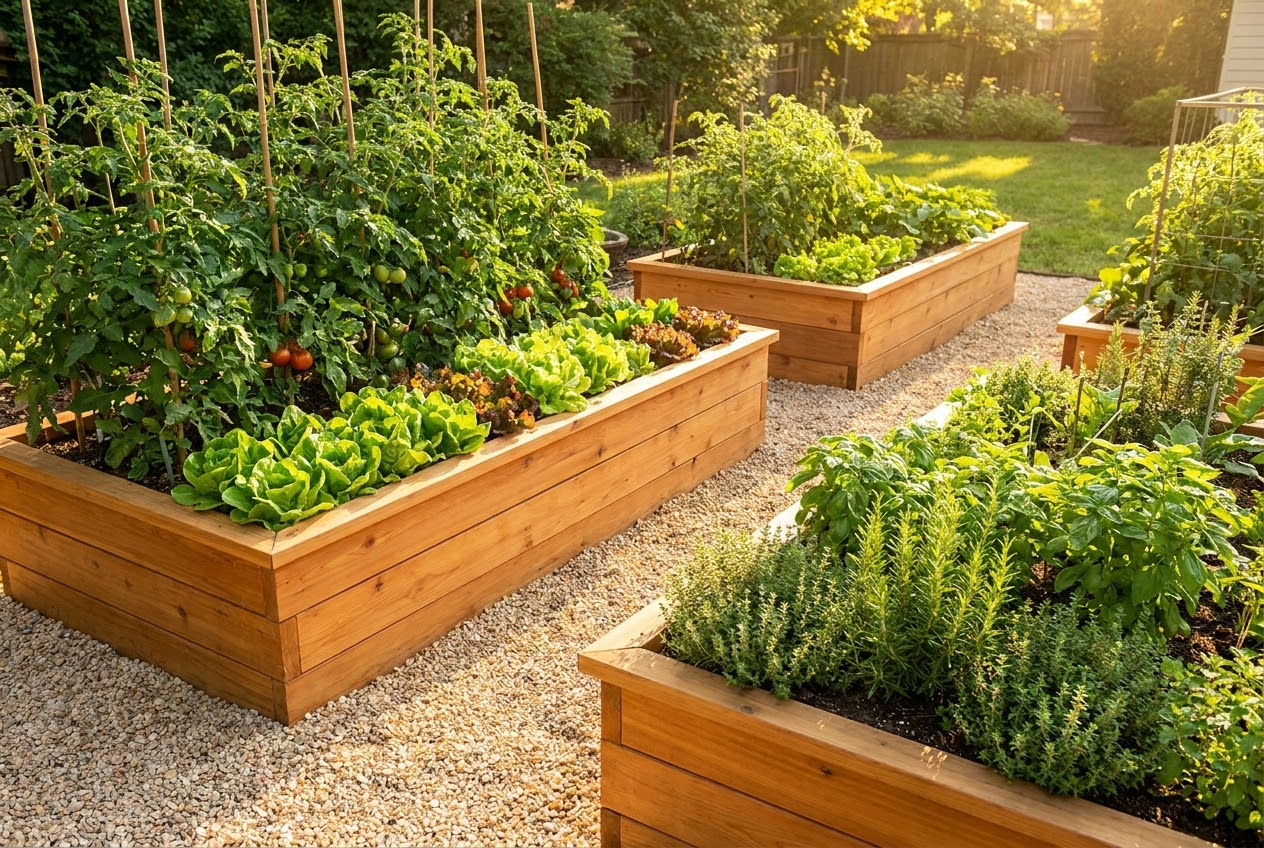
For maximum weed suppression in heavily weedy areas, lay down a layer of newspaper (six to eight sheets thick) or single-layer cardboard over the soil surface. Wet the paper thoroughly before applying mulch on top. This extra barrier blocks light completely and smothers any remaining weed seeds. The paper decomposes within three to six months, adding organic matter to the soil. This technique is particularly effective in new garden beds being established over lawn or weedy ground, and it pairs well with the raised bed gardening approach.
Step 3: Apply the Mulch
Spread mulch evenly to the recommended depth using a rake or your hands. For organic mulches around established plants, keep mulch two to three inches away from plant stems and tree trunks to prevent moisture-related rot and pest problems. This gap is critical and is one of the most commonly violated mulching rules. For pathways and non-planted areas, you can apply mulch right up to and over edges.
Step 4: Maintain the Mulch
Check mulch depth periodically and top up as needed. Organic mulches decompose over time and lose their effectiveness. A quick annual top-up in spring, before the growing season begins, is usually sufficient to maintain proper depth. Fluff compacted mulch with a rake to restore air circulation and water penetration. If mulch has matted into a hard crust, break it up before adding fresh material on top.
Mulch Depth Guide
Getting the depth right is critical. Too little mulch does not provide adequate benefits. Too much can suffocate plant roots, trap excessive moisture, and create habitat for pests.
- Fine mulch (compost, shredded leaves, grass clippings): 1 to 2 inches. Fine materials decompose quickly and can form a dense crust if applied too thickly, which impedes water and air penetration.
- Medium mulch (wood chips, bark, straw): 2 to 3 inches. This is the standard depth for most garden applications and provides the best balance of weed suppression, moisture retention, and air exchange.
- Coarse mulch (large bark nuggets, stone): 3 to 4 inches. Larger materials leave more air gaps and need greater depth to achieve adequate coverage and weed suppression.
- Around trees and shrubs: 2 to 3 inches, applied in a ring that extends to the drip line if possible. Never pile mulch against the trunk (volcano mulching), which causes bark rot and invites pests.
- Vegetable gardens: 2 to 3 inches of straw or shredded leaves between rows and around plants. Apply after seedlings are established and soil has warmed.
Common Mulching Mistakes
Avoiding these common errors will save you time, money, and plant health.
Volcano Mulching
Piling mulch up against tree trunks in a cone shape is one of the most damaging landscaping mistakes. This practice traps moisture against the bark, which causes it to rot. It also encourages roots to grow up into the mulch layer instead of outward and downward into the soil, creating a shallow root system that is vulnerable to drought and wind. Always pull mulch back two to three inches from tree trunks to create a donut shape, not a volcano.
Mulching Too Thick
More is not better when it comes to mulch. Layers thicker than four inches can prevent water from reaching the soil, suffocate plant roots, and create anaerobic conditions that produce sour-smelling compounds. In extreme cases, excessively thick mulch can actually kill plants by smothering their root systems. Stick to the recommended depths and top up annually rather than applying a massive layer all at once.
Using the Wrong Mulch
Not all mulch is appropriate for every situation. Using fresh wood chips in a vegetable garden can temporarily tie up nitrogen at the soil surface. Using dyed mulch around edible plants may introduce unwanted chemicals. Using stone mulch around shallow-rooted perennials can overheat the roots. Match the mulch type to the plant and the purpose. When in doubt, compost or straw are safe choices for almost any garden application.
Mulching Wet Soil
Applying mulch over waterlogged soil traps moisture and creates conditions favorable for root rot and fungal diseases. Always make sure the soil is moist but not saturated before mulching. If your garden has drainage issues, address them first. Our guide on rainwater harvesting includes tips on managing water in your garden effectively.
Ignoring Mulch Decomposition
Organic mulch does not last forever. As it decomodes, it becomes thinner and less effective. Some gardeners apply mulch once and never touch it again. Check your mulch beds at least twice a year, in spring and fall, and top up as needed to maintain the proper depth. The decomposed lower layer of old mulch is actually the most beneficial part, as it has become incorporated into the soil and is improving its structure and fertility.
Neglecting the Gaps
Leaving bare soil between plants is a missed opportunity. Weeds will colonize any unmulched spot, and bare soil loses moisture rapidly. Mulch the entire bed surface, not just around individual plants. In vegetable gardens, mulch between rows and around every plant. In perennial beds, extend mulch to cover the entire area. The goal is to cover all exposed soil so that no bare ground is visible.
Frequently Asked Questions
When is the best time to apply mulch?
Early spring is the ideal time to apply or refresh mulch, just before the growing season begins. Applying mulch in spring suppresses early weed growth and retains moisture from spring rains for the hot months ahead. A second application in late fall helps insulate perennial roots from winter cold and prevents frost heaving. For vegetable gardens, apply mulch after seedlings are a few inches tall and the soil has warmed up. Applying mulch too early in spring can slow soil warming and delay plant growth.
Does mulch attract termites?
Wood-based mulch does not attract termites to your property, but it can provide a conducive environment if termites are already present. The risk is manageable: keep wood mulch at least six inches away from your home's foundation and avoid piling it against wooden structures. If termite pressure is high in your area, consider using gravel or stone mulch near the house foundation. Cypress and cedar heartwood are naturally resistant to termites and are better choices than other wood mulches in termite-prone areas.
Can I mulch over weeds?
Small, newly sprouted weeds can be smothered by a thick layer of mulch, but established weeds with deep roots will grow right through. Always remove existing weeds before mulching for the best results. For stubborn perennial weeds like dandelions, bindweed, or Bermuda grass, lay down a layer of cardboard or thick newspaper under the mulch for additional suppression. Even then, persistent weeds may find their way through eventually, so periodic weeding is still necessary.
How often should I replace mulch?
It depends on the type. Fine mulches like compost and grass clippings decompose within weeks to months and need frequent replenishment. Medium mulches like wood chips and straw last one growing season to a year. Bark nuggets and shredded hardwood can last two to three years. Rather than replacing mulch entirely, most gardeners simply top up the existing layer each spring. The partially decomposed lower layer is beneficial to the soil and should be left in place.
Is dyed mulch safe for vegetable gardens?
Most dyed mulches use iron oxide (for black and red dyes) or carbon (for black dyes), which are considered non-toxic. However, the wood used in dyed mulch is often recycled from construction debris and may contain traces of chemicals, paints, or treatments. For vegetable gardens and edible plantings, it is safest to use natural, undyed mulch or certified organic mulch. Straw, shredded leaves, grass clippings, and compost are all excellent, chemical-free options for the edible garden. If you want the appearance of dark mulch around ornamental beds, dyed mulch is generally considered safe for non-edible plants.