Introduction
A lush green lawn does not require a bag of synthetic chemicals every season. Organic lawn care focuses on building healthy soil, choosing appropriate grasses, and supporting the natural processes that keep grass thick and resilient. The result is a lawn that looks good, needs less water, and is safer for children, pets, and pollinators.
Why Go Organic With Lawn Care?
Conventional lawn products can harm soil microbes, pollute waterways, and create dependency on repeated chemical inputs. Organic practices improve soil structure, increase drought tolerance, and encourage deeper root growth. Over time, an organic lawn becomes easier and less expensive to maintain.
Mowing Practices for Healthy Grass
Set your mower blade to three inches or higher. Taller grass shades the soil, reduces weed germination, and develops deeper roots. Keep blades sharp to make clean cuts that heal quickly. Leave grass clippings on the lawn to return nitrogen and organic matter to the soil.
Watering Wisely
Water deeply and infrequently rather than shallowly every day. One inch of water per week, including rainfall, encourages deep roots. Water in the early morning to minimize evaporation and fungal diseases. A rain gauge helps track how much water your lawn actually receives.
Natural Fertilizing and Soil Building
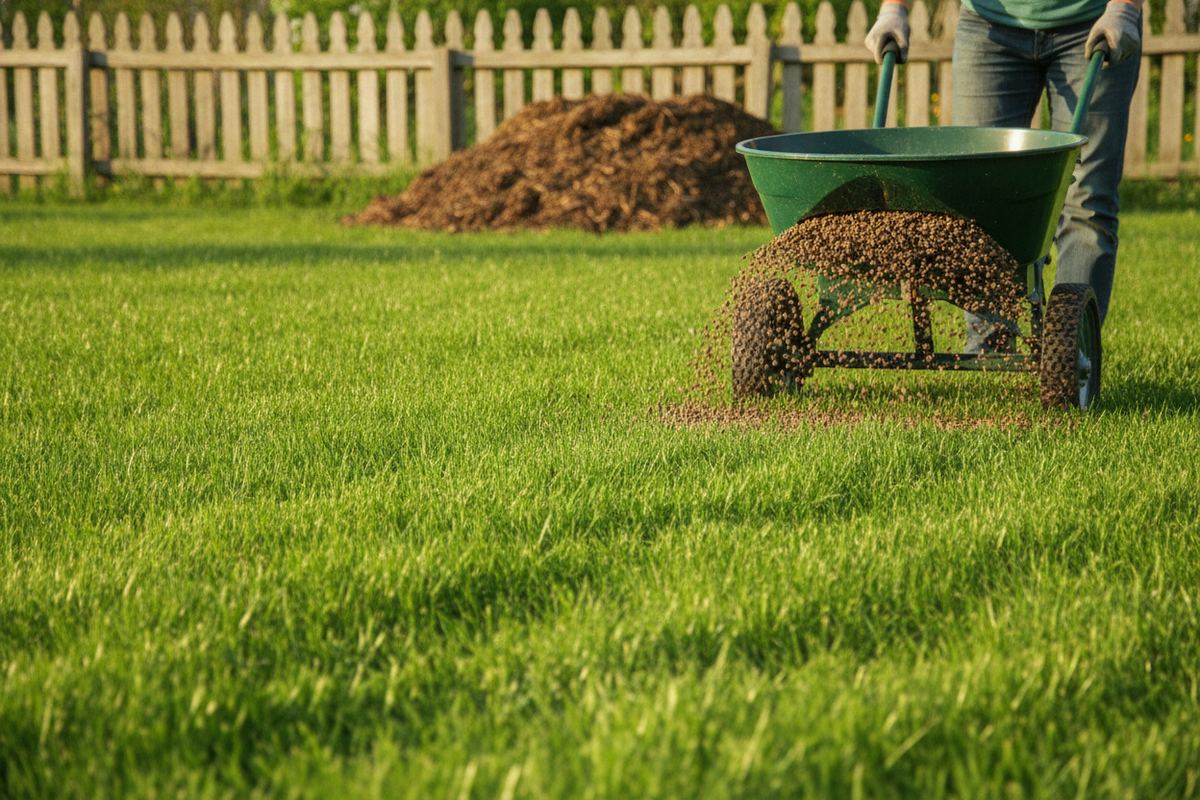
Top-dress with compost once or twice a year to feed soil microbes. Apply organic lawn fertilizer in spring and fall based on soil test results. Overseed thin areas in fall to crowd out weeds naturally. Aerate compacted soil annually to improve drainage and root penetration.
Organic Weed and Pest Management
A dense lawn is the best weed prevention. Hand-pull weeds before they set seed. Corn gluten meal can suppress crabgrass germination. For pests, encourage beneficial insects and birds, and tolerate a few harmless weeds like clover, which actually adds nitrogen to the soil.
Emma Richardson
Emma Richardson is a passionate home gardener and sustainability advocate with over a decade of hands-in-the-soil experience. She writes practical guides to help people grow their own food and live more sustainably, no matter their experience level or available space.
View all articles →Related Articles


