Introduction
Soil pH is one of the most overlooked factors in plant health. It measures how acidic or alkaline your soil is on a scale from zero to fourteen. Most garden plants prefer a pH near neutral, but some thrive in more acidic or alkaline conditions. Testing pH helps you choose the right plants and amendments for your soil.
Why Soil pH Matters
pH affects nutrient availability. Even if soil contains plenty of nutrients, plants cannot absorb them if the pH is wrong. For example, iron becomes unavailable in alkaline soil, causing yellow leaves. Phosphorus locks up in acidic soil, limiting root and flower development.
DIY Soil pH Test Methods
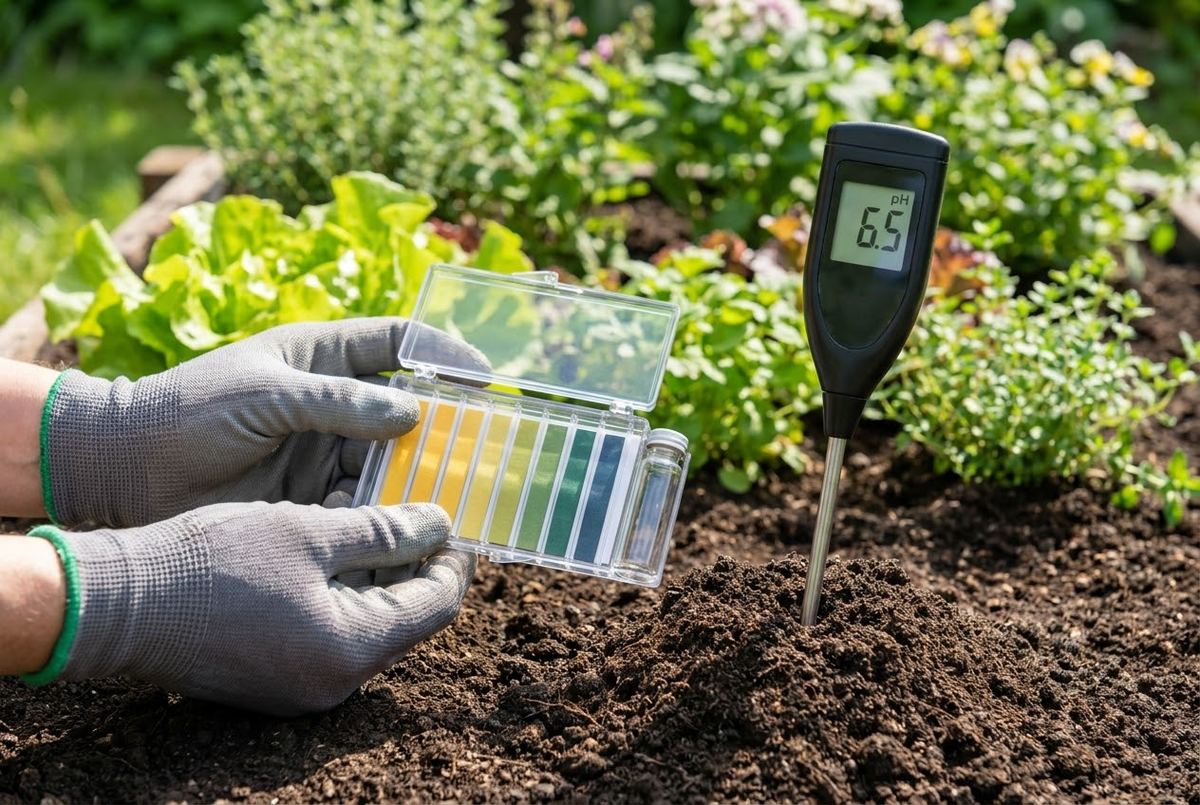
Home pH test kits use a color chart to estimate pH. Mix a soil sample with the provided solution and compare the resulting color. Test strips work similarly. Collect samples from several spots in your garden for accurate results.
Using a pH Meter
Digital pH meters give quick readings. Insert the probe into moist soil according to the manufacturer's instructions. Calibrate the meter regularly with buffer solutions. Clean the probe after each use to maintain accuracy.
Laboratory Soil Testing
For the most accurate results, send a soil sample to a local extension service or private lab. Lab tests measure pH and nutrient levels and provide customized amendment recommendations. This is especially useful for new gardens or problem areas.
Adjusting Soil pH
To raise pH in acidic soil, add garden lime according to test recommendations. To lower pH in alkaline soil, incorporate elemental sulfur, compost, or acidic organic mulches like pine needles. Adjust gradually and retest annually, because pH changes slowly.
Emma Richardson
Emma Richardson is a passionate home gardener and sustainability advocate with over a decade of hands-in-the-soil experience. She writes practical guides to help people grow their own food and live more sustainably, no matter their experience level or available space.
View all articles →Related Articles