Introduction
A late spring frost or an early autumn freeze can wipe out weeks of garden progress in a single night. Tender plants like tomatoes, peppers, basil, and squash are especially vulnerable. Fortunately, a little protection can make the difference between a destroyed crop and a saved harvest.
Season extension is not just for experienced gardeners. With simple materials and a clear plan, you can protect plants from frost, extend your harvest window, and grow with more confidence.
Understanding Frost and Freezing
Frost occurs when water vapor in the air freezes on cold surfaces, including plant leaves. A light frost happens around 32 to 35 degrees Fahrenheit and may damage tender plants. A hard freeze at 28 degrees or below can kill even hardy plants.
Clear, calm nights are the most dangerous because heat radiates away from the earth rapidly. Wind and cloud cover reduce frost risk. Pay close attention to forecasts, especially during seasonal transitions.
Frost Protection Methods
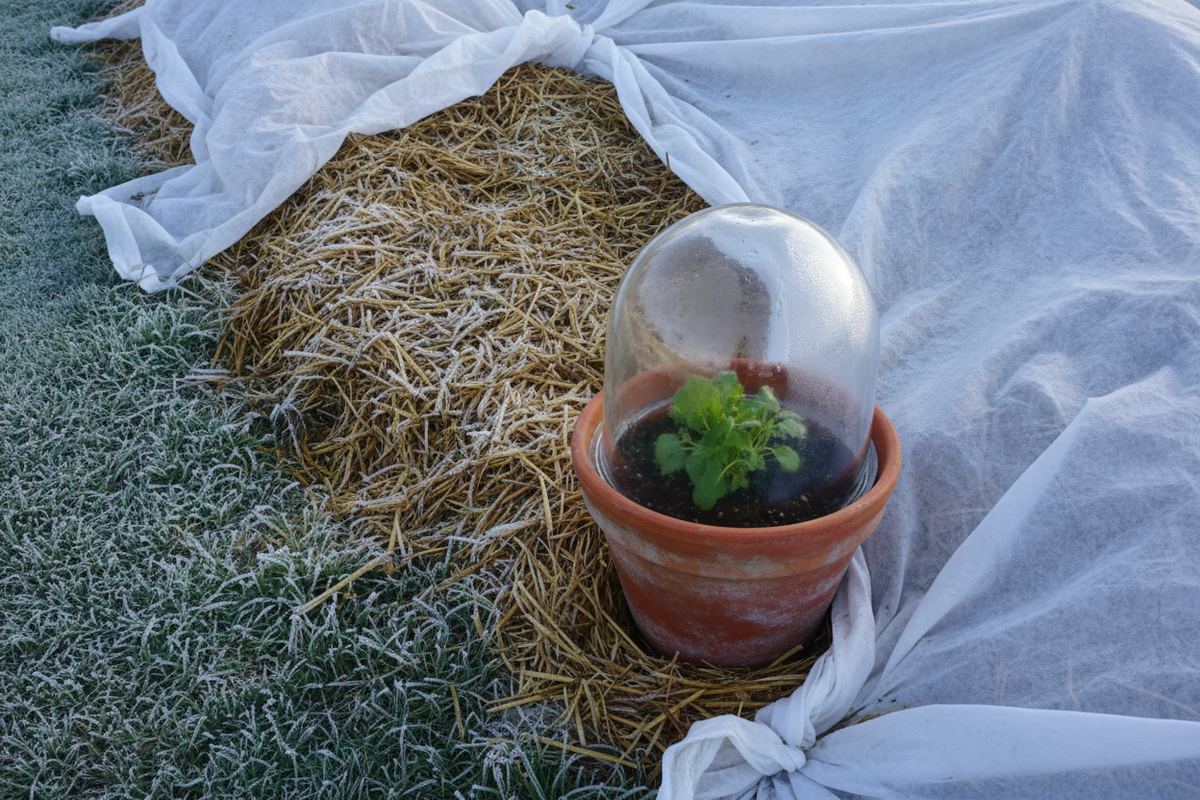
Floating row cover is one of the best all-purpose protections. It traps heat while letting light and water pass through. Drape it loosely over plants and secure the edges with soil, stones, or pins.
Old sheets, blankets, and burlap also work in a pinch. Avoid letting the cover rest directly on foliage, because conductive cold can still damage leaves. Use stakes or hoops to create a tent.
DIY Cloches and Low Tunnels
Cloches are individual covers placed over single plants. You can make them by cutting the bottoms off plastic milk jugs or using glass jars. Remove them during the day to prevent overheating.
Low tunnels are wire or PVC hoops covered with plastic or row cover. They protect an entire row and are inexpensive to build. They also warm the soil earlier in spring, giving you a head start.
Preparing Plants Before Cold Hits
Well-hydrated plants withstand cold better than drought-stressed ones. Water deeply a day or two before a predicted frost. Healthy soil also retains more heat than dry, sandy soil.
Move potted plants to sheltered locations such as against a south-facing wall or into a garage. Grouping containers together creates a warmer microclimate.
What to Do After a Frost
Wait until temperatures rise before removing covers. Resist the urge to prune damaged foliage immediately. The dead leaves can protect the plant from further cold. Assess the damage after several days and prune only tissue that is clearly blackened or mushy.
Emma Richardson
Emma Richardson is a passionate home gardener and sustainability advocate with over a decade of hands-in-the-soil experience. She writes practical guides to help people grow their own food and live more sustainably, no matter their experience level or available space.
View all articles →Related Articles