Introduction
Lettuce is one of the most satisfying crops for home gardeners because it grows quickly and thrives in cool weather. With the right plan, you can enjoy fresh salads nearly every week of the year. The secret is choosing the right varieties for each season and planting small amounts frequently.
This guide covers everything you need to know about growing lettuce year-round, from succession planting to beating summer heat and overwintering in cold frames.
Choosing Lettuce Varieties by Season
Lettuce comes in four main types: leaf, romaine, butterhead, and crisphead. Leaf lettuces mature fastest and are easiest for beginners. Romaine is heat-tolerant and crunchy. Butterhead forms soft, tender heads. Crisphead, including iceberg, is the most challenging but rewarding.
For spring and fall, choose cold-tolerant varieties like Winter Density, Rouge d'Hiver, and Black-Seeded Simpson. For summer, plant heat-tolerant varieties such as Jericho romaine, Summer Crisp, and Batavian types.
Succession Planting for Continuous Harvests
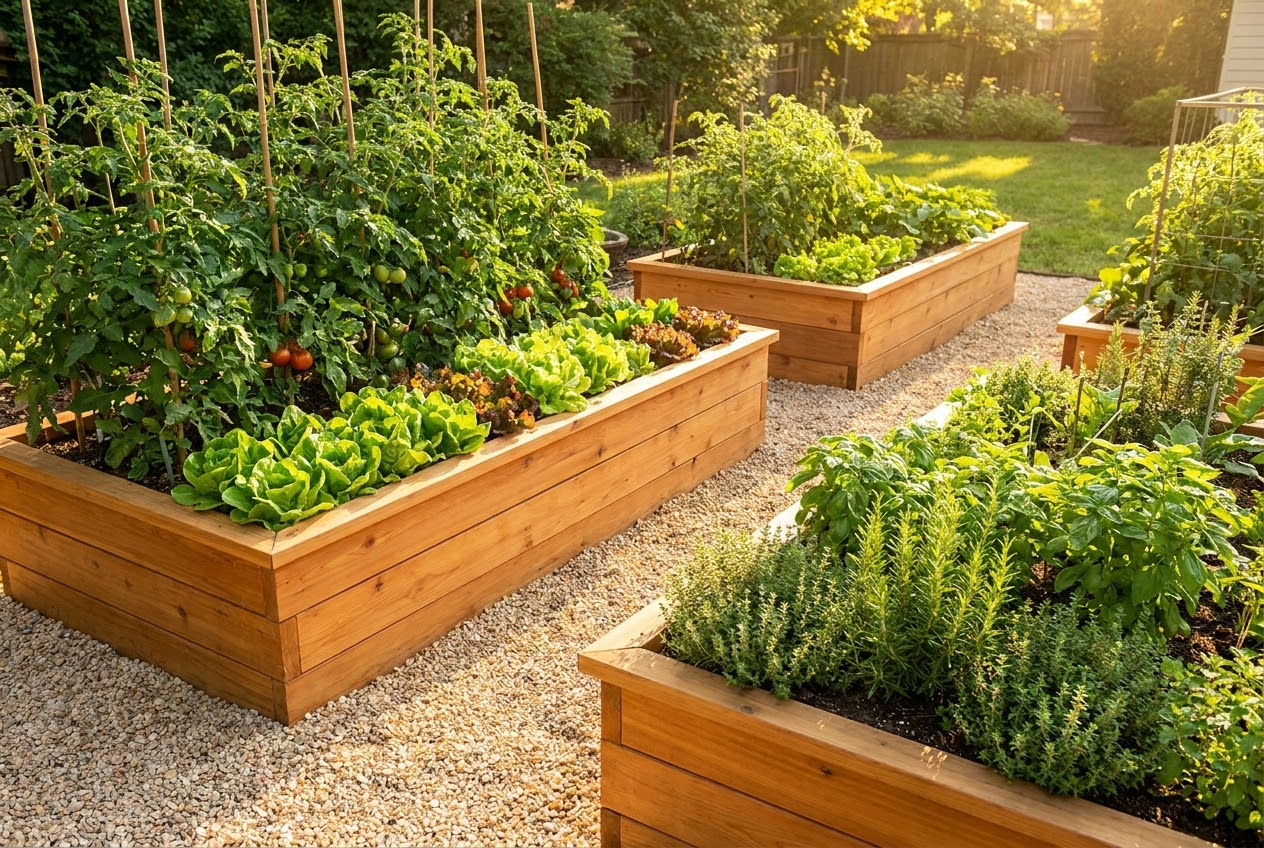
Instead of planting a large bed all at once, sow a small amount of lettuce seed every two to three weeks. This steady approach prevents the feast-or-famine cycle where you have too much lettuce one week and none the next.
Use the cut-and-come-again method for leaf lettuce. Harvest outer leaves and let the center continue producing. Most plantings will give you two to three harvests before they need replacing.
Growing Lettuce in Heat
Lettuce naturally bolts in hot weather, sending up a flower stalk and turning bitter. To extend the harvest into summer, provide afternoon shade with shade cloth or taller companion plants. Water consistently and mulch around plants to keep roots cool.
Sow heat-tolerant varieties and consider growing lettuce in containers that can be moved to cooler spots. Harvest in the morning when leaves are crisp and sweetest.
Winter Lettuce Strategies
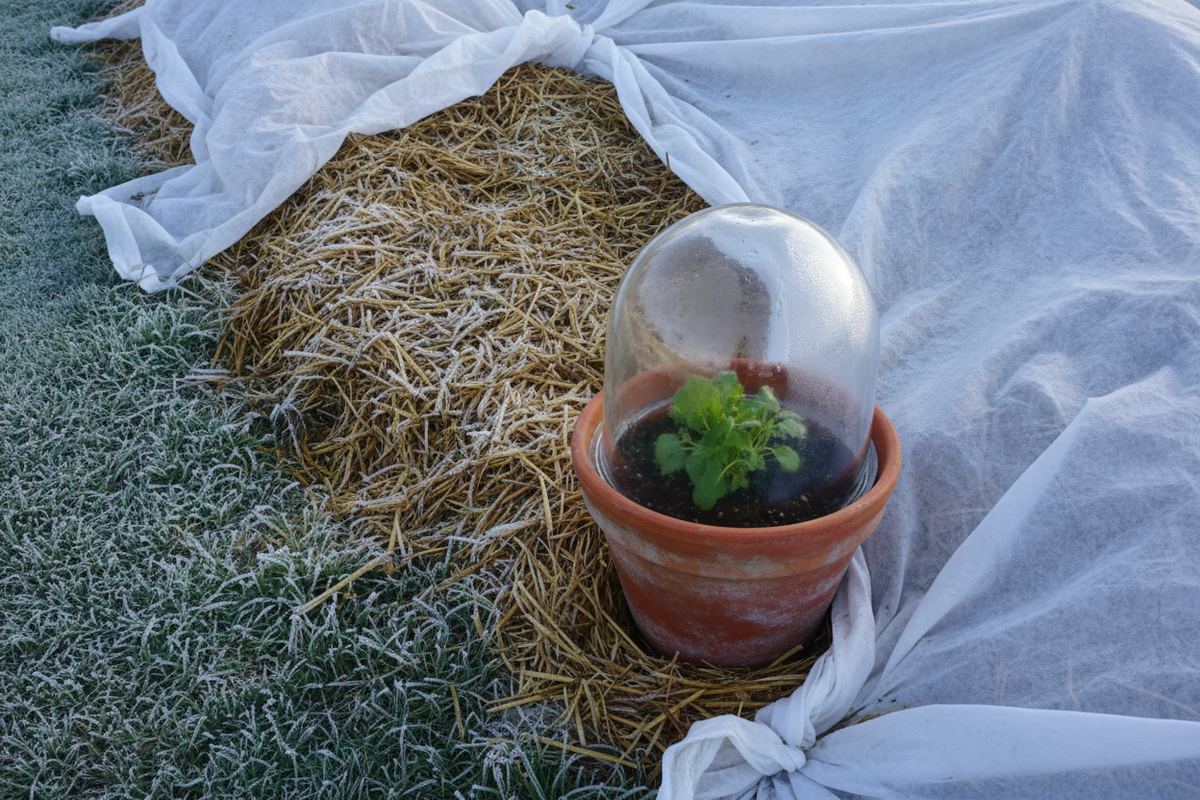
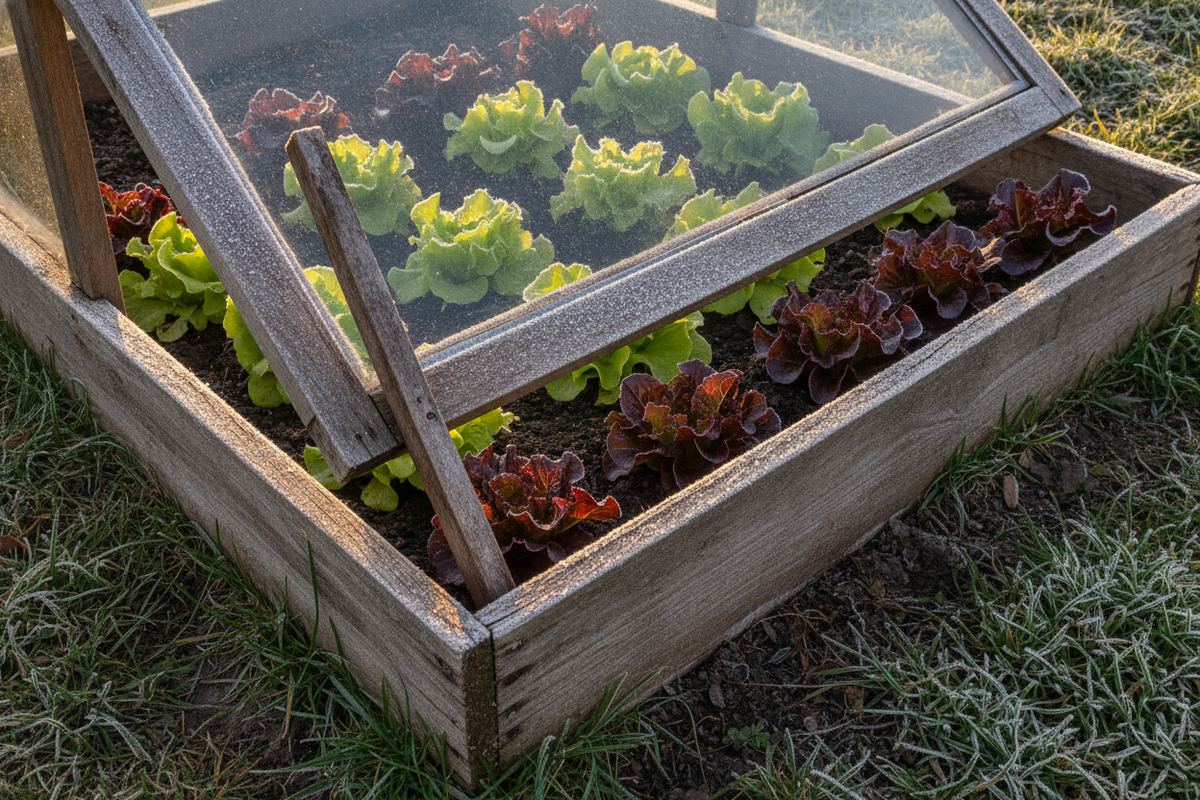
In mild climates, lettuce grows through winter with little protection. In colder regions, use cold frames, row cover, or an unheated greenhouse. Winter lettuces are slower but often sweeter because cold temperatures concentrate sugars.
Harvesting and Storing Lettuce
Harvest leaf lettuce when leaves are four to six inches long. Cut head varieties at the base when they feel firm. Store unwashed lettuce in a breathable bag in the refrigerator. Wash just before eating to preserve crispness.
Emma Richardson
Emma Richardson is a passionate home gardener and sustainability advocate with over a decade of hands-in-the-soil experience. She writes practical guides to help people grow their own food and live more sustainably, no matter their experience level or available space.
View all articles →Related Articles