Introduction
A fall garden is one of the best-kept secrets in vegetable gardening. After the heat of summer fades, cool weather crops thrive, insects become less active, and many vegetables taste sweeter following a light frost. With a little planning, you can harvest fresh food well into autumn and even winter.
Best Crops for a Fall Garden
Cool-season vegetables are the stars of fall gardening. Leafy greens such as spinach, kale, lettuce, and arugula grow quickly in cooling temperatures. Root crops like carrots, beets, radishes, and turnips develop sweet, tender roots. Brassicas including broccoli, cabbage, Brussels sprouts, and cauliflower mature beautifully in fall.
Timing Your Fall Plantings
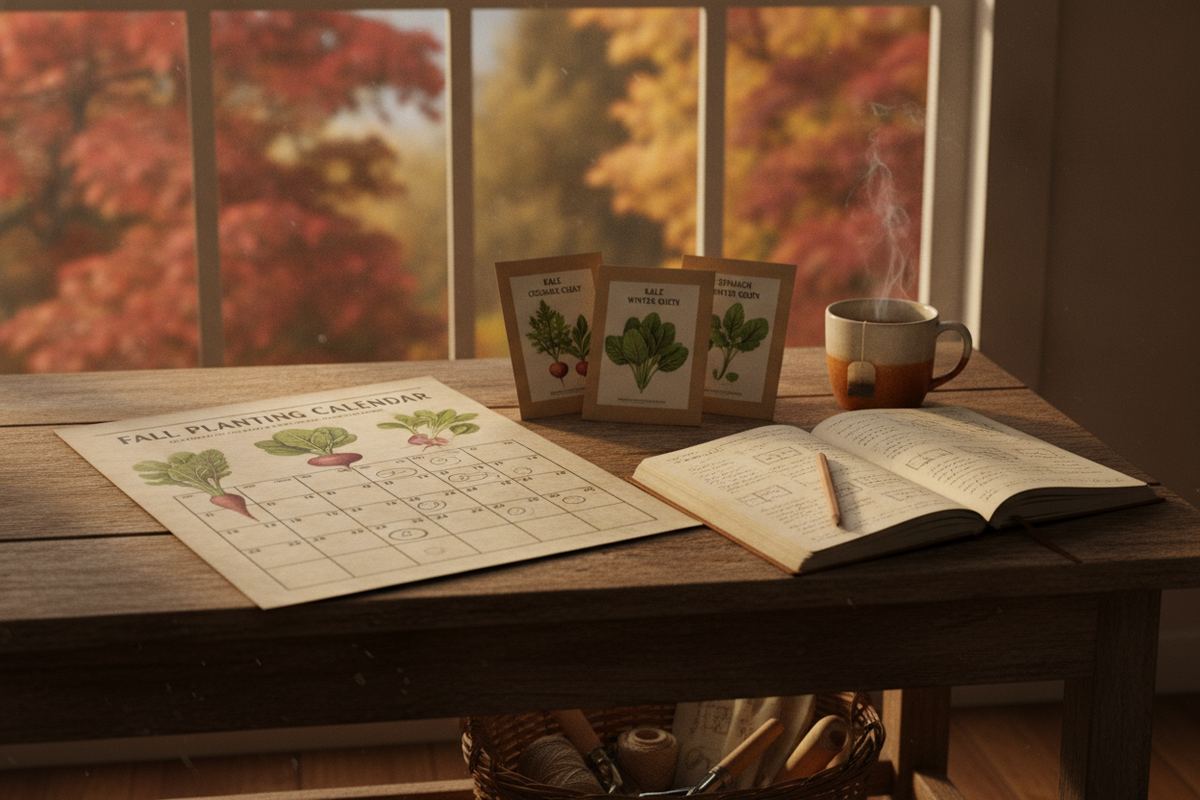
Success depends on starting early enough for crops to mature before hard freezes. Find your average first frost date and count backward using each crop's days to maturity. Add two weeks to account for slower growth in shorter, cooler days. Many fall crops are planted in mid to late summer.
Preparing Soil for Fall Crops
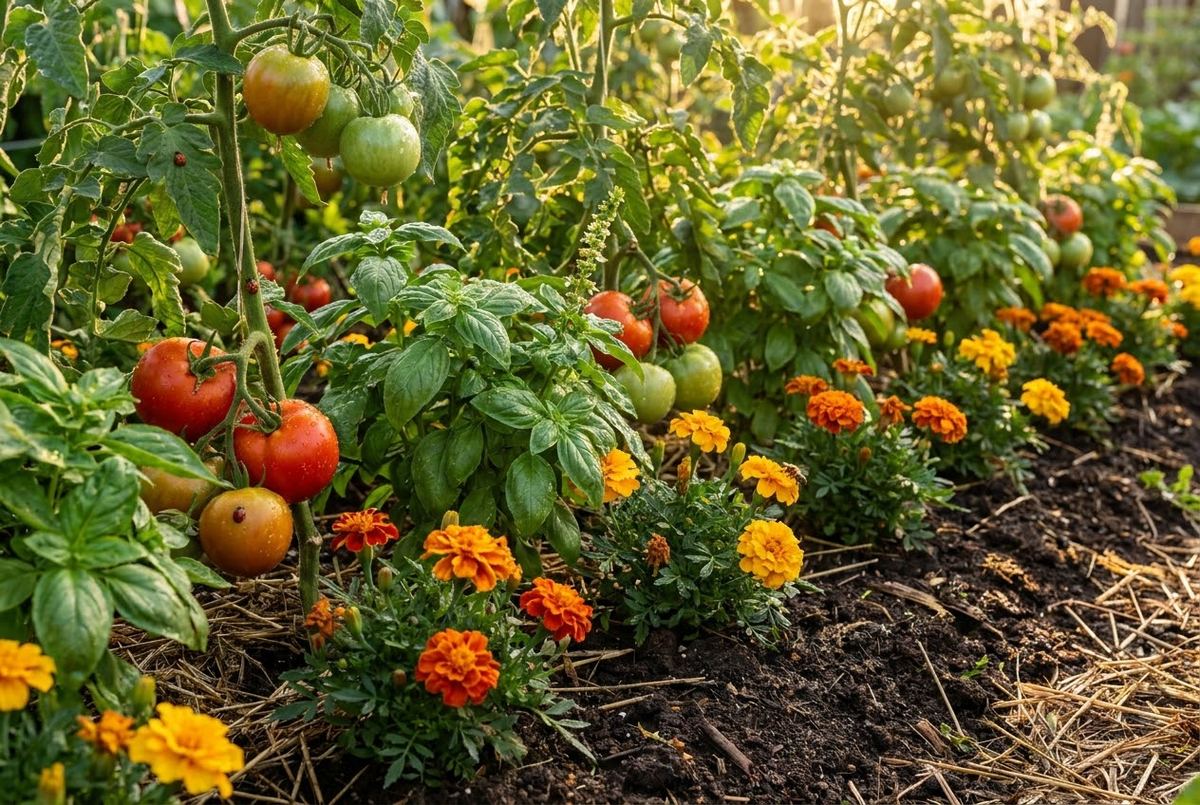
Remove spent summer plants and any diseased debris. Add a layer of compost to replenish nutrients. Fall crops generally need less nitrogen than summer crops, so avoid heavy feeding. A light side-dressing of compost at planting is usually sufficient.
Season Extension for Fall
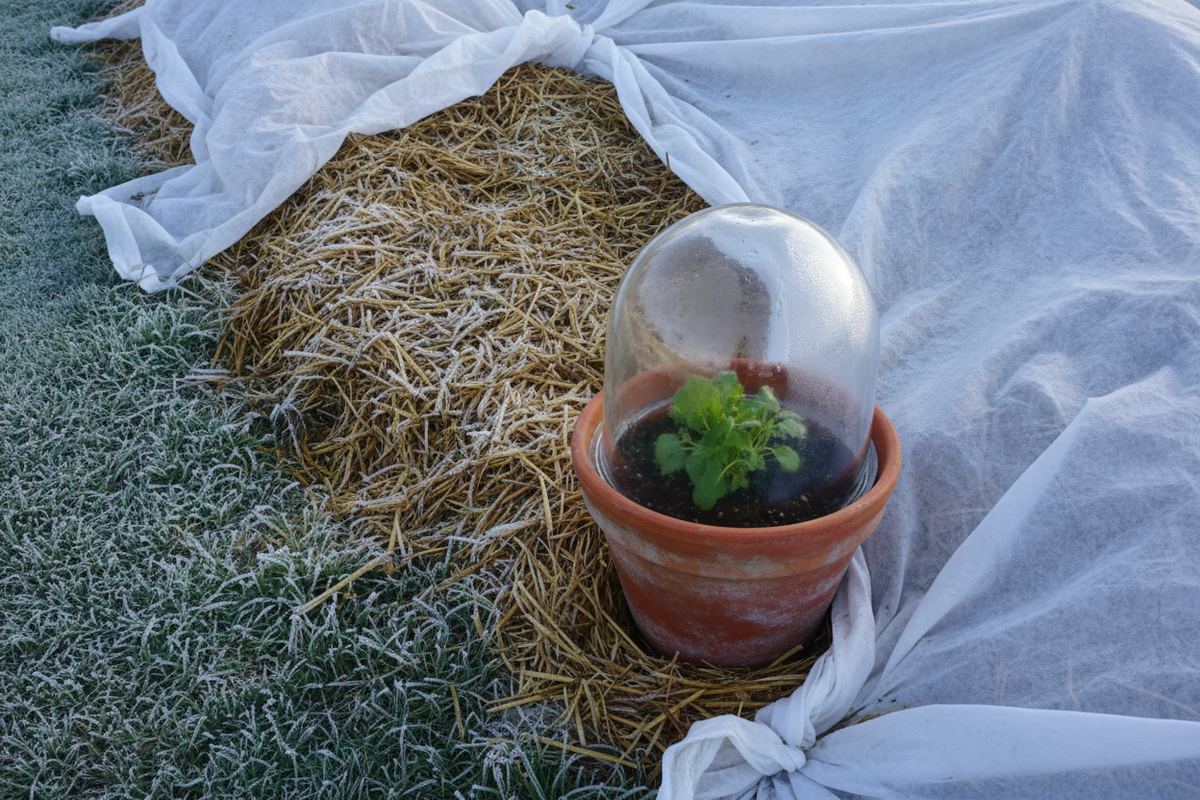
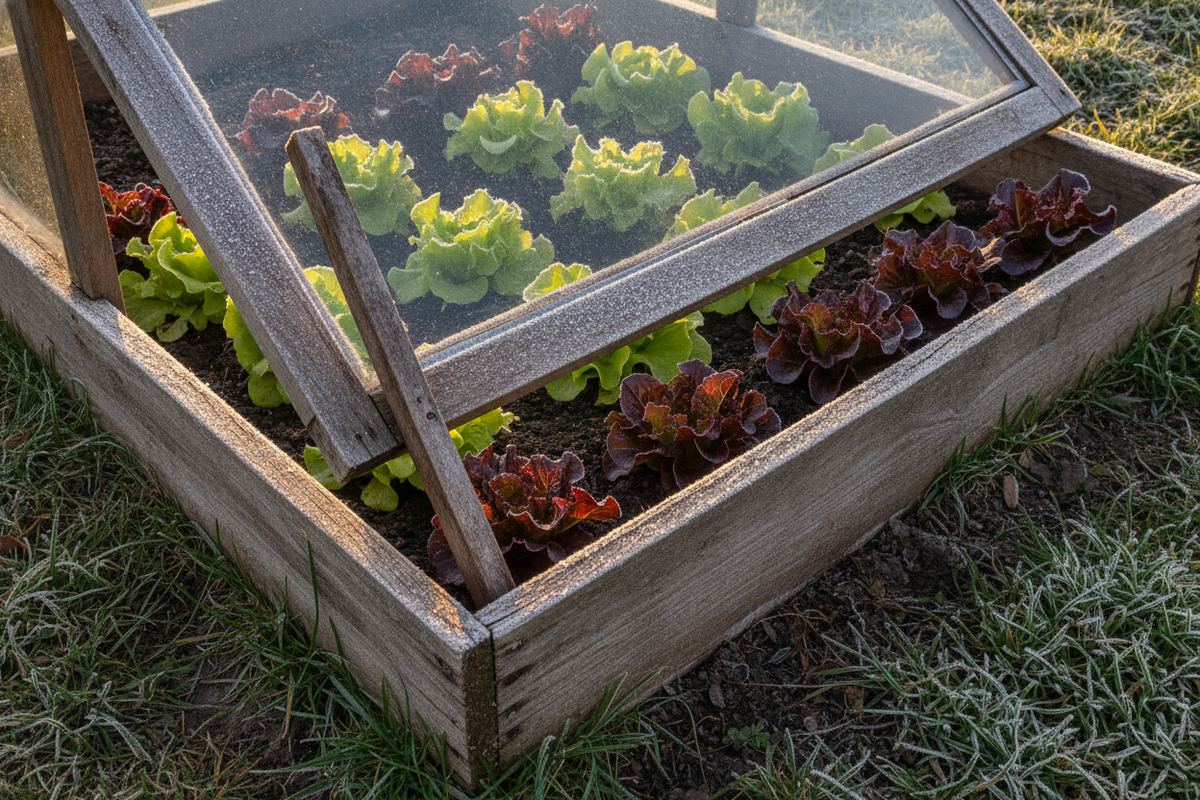
Row covers, cold frames, and low tunnels can extend your harvest by several weeks or even months. These simple structures trap heat and protect plants from frost. They are especially useful for keeping hardy greens productive through winter in milder climates.
Common Fall Garden Challenges
Slugs and cabbage worms can be more active in cool, moist weather. Hand-pick pests and use row covers to exclude insects. Sudden hot spells early in fall can cause lettuce and spinach to bolt, so provide light shade if needed. Water consistently because dry soil stresses young plants.
Emma Richardson
Emma Richardson is a passionate home gardener and sustainability advocate with over a decade of hands-in-the-soil experience. She writes practical guides to help people grow their own food and live more sustainably, no matter their experience level or available space.
View all articles →Related Articles